
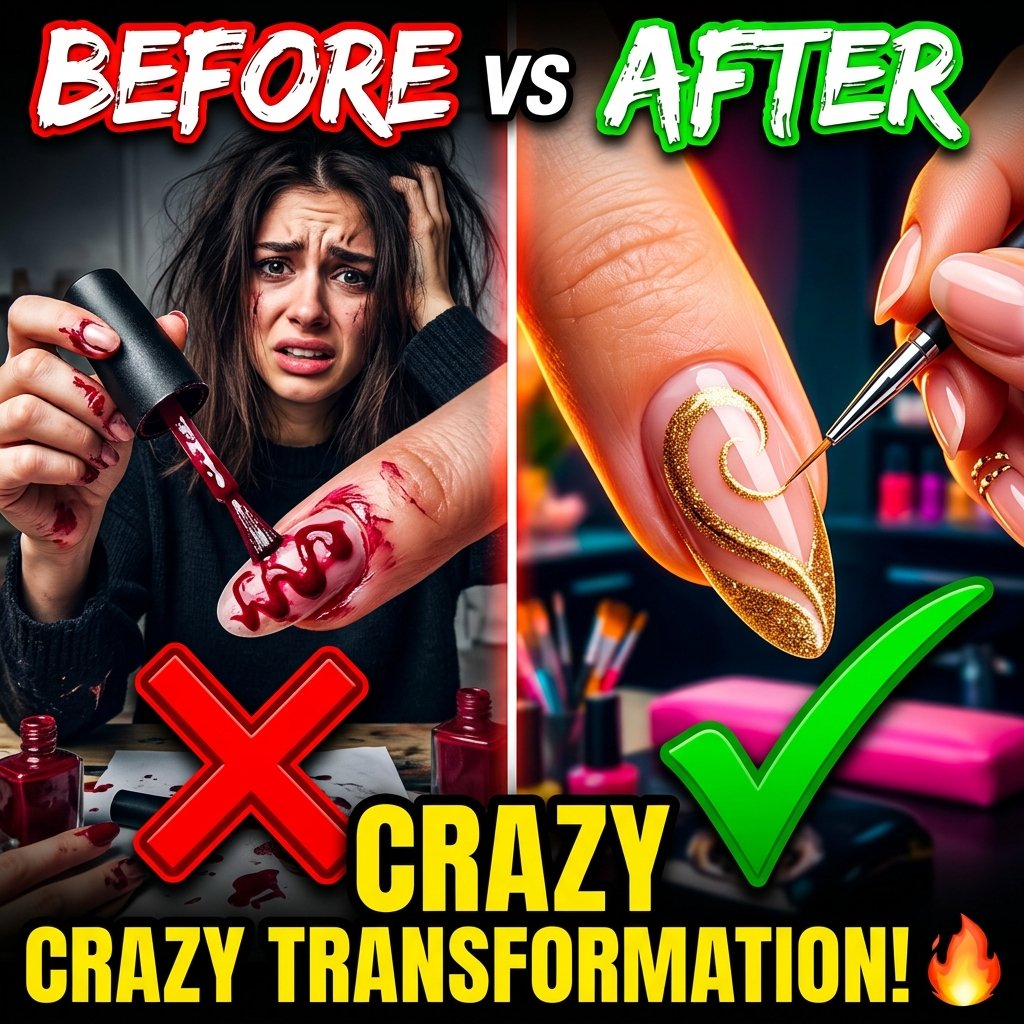
Nail Design Brushes 101: Why Your DIY Nail Art Looks Messy

If you are struggling to paint clean lines or perfect french tips, your nail design brushes might be the problem. The real issue often lies with the tools you are holding in your hand. Cheap and poorly made equipment makes detailed art nearly impossible for even seasoned professionals. You need the right materials to get those crisp edges and smooth gradients.
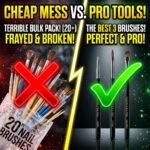
I have seen countless beginners blame themselves for messy line work. They buy a massive pack of cheap plastic tools online and expect miracles. Those bulk sets are usually a complete waste of money. The bristles split instantly and refuse to hold product evenly.
“Consistency and gentle barrier care are far more effective in skincare and beauty routines than aggressive quick-fix treatments.”
– Dermatological & Beauty Care Insights
Investing in quality equipment changes everything about how you paint. A good tool does half the work for you by holding the perfect amount of gel. It glides across the surface instead of dragging and skipping. Your lines become sharper and your blending becomes seamless.
You do not need thirty different tools clogging up your desk drawer. A small and carefully chosen collection of high quality options will serve you much better. I prefer to keep my setup minimal and rely on a few versatile staples. This saves money and keeps your workspace organized.
“Self-care isn’t a luxury; it’s a foundational daily ritual that restores mental balance and physical vitality.”
– Wellness & Beauty Philosophy
The truth about cheap bulk sets
Let us talk about those massive variety packs you see all over the internet. They look like a great deal when you are just starting out. You get twenty pieces for the price of one professional tool. That sounds like a steal until you actually try to use them.
When evaluating nail design brushes, the problem is usually the manufacturing quality. The synthetic hairs are cut bluntly instead of being tapered to a fine point. When you dip them in gel, the bristles splay out in every direction. This makes it literally impossible to paint a straight line or a tiny detail.
The ferrules on these cheap options are usually crimped poorly. This means the metal part holding the hairs will quickly become loose and wobbly. Sometimes the entire head pops right off the handle while you are working. Nothing ruins a fresh manicure faster than a stray hair falling into wet gel.
You are much better off spending your budget on two or three professional grade items. A single high quality liner will outlast an entire bag of cheap ones. It will also save you hours of frustration and wasted product. Stop buying garbage and invest in your craft.
Choosing the right nail design brushes for your kit
Building a functional kit requires understanding what each shape actually does. You do not need to buy every shape available on the market. Most working technicians rely heavily on just a few specific profiles. Let us break down the absolute essentials you should own.
First on the list is a long liner. This is your best friend for painting straight lines and geometric shapes. The extra length allows the tool to hold more product at once. You can drag it across the entire nail without having to stop and reload.
Next is a short detailer. This is for painting tiny elements like stars, hearts, or character faces. The shorter bristles give you maximum control over small movements. You need a very steady hand, but a sharp detailer makes the process much easier.
Finally, you need an oval or flat gel tool. This is for cleaning up your cuticle lines and wiping away mistakes. I like to keep a clean flat profile dipped in isopropyl alcohol nearby at all times. It acts like an eraser for wet gel polish.
If you want to get into advanced techniques, you might add an ombre or shading tool later. But those first three will cover ninety percent of your daily needs. Master the basics before you complicate your setup with specialized shapes.
Natural hair versus synthetic fibers
The debate between natural hair and synthetic fibers for nail design brushes is a massive topic in the beauty industry. Historically, natural kolinsky sable was considered the absolute gold standard. It holds liquid beautifully and snaps back to a sharp point every single time. Many traditional acrylic technicians refuse to use anything else.
However, the industry has changed dramatically in recent years. We are mostly working with gel products now instead of traditional liquid and powder. Gel behaves very differently and requires different properties from your tools. This shifts the balance of the natural versus synthetic debate.
High quality synthetic fibers are now excellent for gel art. They do not absorb the product the way natural hair does. This means the gel flows off the tip smoothly and consistently. Synthetics are also much more resilient to the harsh solvents we use for cleaning.
I strongly recommend synthetic fibers for almost all modern art applications. They are entirely cruelty free and generally more affordable. They also require much less babysitting to keep them in good condition. Leave the kolinsky sable for building acrylic extensions.
Proper preparation for brand new tools
You cannot just take brand new nail design brushes out of the plastic tube and start painting immediately. This is a rookie mistake that ruins good equipment. Manufacturers ship them with a stiff starch coating to protect the hairs during transit. You have to remove this seal properly first.
Take the tool and gently flick the bristles against a clean paper towel. Do this gently until you see a fine white dust falling out. Keep fluffing the hairs with your fingers until they feel entirely soft and flexible. You want to break that hard factory seal completely.
Once the dust is gone, you need to prime the hairs. Dip the tip into a clear base coat or a dedicated conditioning gel. Work the product gently into the bristles using a clean palette. This coats the fibers and prevents colored pigments from staining them permanently.
Never skip this priming step. If you dip dry synthetic hairs directly into highly pigmented black or red gel, you will never get it completely clean again. The clear base acts as a protective barrier. It also helps clump the hairs together into a razor sharp point.
How to clean without destroying the shape
Cleaning your nail design brushes incorrectly is the fastest way to destroy them. I see people dunking their art tools into jars of pure acetone all the time. Acetone is incredibly harsh and will completely dry out both natural and synthetic fibers. It causes the hairs to fry and curl at the ends.
Instead of harsh solvents, you should clean your tools with clear gel. Wipe the excess color off on a lint free wipe first. Then dip the tip into a blob of clear top coat or base coat on your palette. Work it back and forth gently until the color lifts out into the clear gel.
Wipe it clean again and repeat the process if necessary. This method pulls the pigment out while keeping the fibers conditioned and hydrated. Once the tool runs clear, wipe it to a sharp point and put the cap back on. This takes more time than a quick dunk but extends the lifespan dramatically.
If you accidentally cure gel into the bristles, the tool is usually ruined. You can try soaking it in a brush restorer fluid, but it rarely returns to its original state. This is why you must be incredibly careful around your curing lamps. Keep your workstation organized and keep sensitive items away from the light.
Storage and daily maintenance habits
Proper storage is just as important as proper cleaning when maintaining your nail design brushes. You must always use the metal or plastic caps that come with high quality options. Ambient UV light from your windows can slowly cure the residual gel left inside the hairs. A dark cap blocks out the light and prevents a slow disaster.
Never store them standing straight up in a cup if they are wet. The leftover liquids can seep down into the metal ferrule. This degrades the glue holding the hairs together and causes shedding. It can also cause the wooden handles to swell and crack over time.
The best way to store them is lying completely flat in a dark drawer. I like to use a dedicated roll or a flat hard case. This prevents the tips from getting crushed against the sides of a container. It also keeps them organized so you always know exactly where your favorite liner is hiding.
Taking care of your equipment is a sign of professionalism. It shows that you respect your craft and your materials. A well maintained tool can last for years of daily use. Build good habits early and you will save a fortune on replacements.
Mastering product control and pressure
Having great nail design brushes is only the first part of the equation. You also need to learn how to load the product correctly. If you just scoop up a giant blob of gel, you will get messy and uneven lines. Product control dictates the final result.
Dip only the very tip into your gel pot or palette. Pull it slowly away while twisting the handle slightly. This coats the hairs evenly and pulls the tip into a sharp needle point. You want the gel to coat the tool, not clump at the end. For more complex techniques, you can explore various nail art techniques that require different loading methods.
When you touch the surface, pay close attention to your pressure. Pressing down hard will cause the hairs to fan out and make a thick line. Barely grazing the surface with the absolute tip creates a thin, delicate line. Managing this pressure is the secret to perfect art.
Practice painting straight lines on a spare tip before you work on hands. Try to paint the thinnest line possible by using zero pressure. Then practice transitioning from thin to thick by pressing down halfway across the line. Muscle memory is everything in this industry.
The impact of gel consistency
The type of gel you are using affects how your tools perform. Standard gel polish is often too thin and runny for detailed art. It will bleed and spread out before you can get the hand into the curing lamp. This makes crisp edges nearly impossible to achieve.
You need to use dedicated art gels or painting gels. These are highly pigmented and have a much thicker, almost paste-like consistency. They stay exactly where you put them without moving or shrinking. This thick texture grips the bristles perfectly, and you can see this recommended in a standard Vogue beauty guide.
If your gel is too thick, you can thin it slightly with a drop of top coat on your palette. Mix it thoroughly until you reach a workable consistency. Finding the right balance between opacity and flow takes some experimentation. Every brand formulates their products slightly differently.
Do not be afraid to mix brands to find what works best for you. Some brands make incredible bright colors but terrible white gels. Find a painting gel that gives you opaque coverage in a single stroke. You can research different gel polish options to find your favorites. This prevents your art from becoming bulky and uneven.
Common mistakes to avoid entirely
One of the biggest mistakes is using the wrong profile for the job. Do not try to paint a tiny eye with a massive flat gel tool. Likewise, do not try to fill in a large area with a micro detailer. Match the size of the equipment to the size of the task.
Another frequent error is working with a dirty tip. If your tool has dried pigment stuck near the ferrule, it will never hold a sharp point. The hairs will split constantly while you are trying to paint. Take the time to clean your equipment thoroughly after every single client.
Many beginners also hold the handle too tightly. A death grip causes your hand to shake and makes your lines wavy. Hold it loosely near the middle, similar to how you would hold a pencil. Anchor your pinky finger on the client hand for stability.
Finally, stop buying cheap tools. I cannot emphasize this enough. If you are serious about improving your art, you have to upgrade your setup. Quality materials will instantly improve the look of your work and make the process significantly more enjoyable, a point often echoed in the Elle magazine beauty section.
Final thoughts on elevating your art
Developing great painting skills takes time and patience. There are no shortcuts or magic tricks that will make you an expert overnight. But fighting against bad equipment will only slow down your progress and destroy your motivation. Give yourself a fair chance by using professional grade materials.
Start small and focus on mastering one technique at a time. Get comfortable with straight lines before you attempt complex floral designs. Build a relationship with your favorite liner and learn exactly how it behaves with different gels. Consistency is the key to building confidence.
Remember that every amazing artist started exactly where you are right now. They struggled with shaky lines and messy gradients too. The difference is that they kept practicing and eventually invested in better materials. You can reach that level too if you stay dedicated.
Keep your workspace clean, respect your equipment, and never stop experimenting. The beauty of this industry is that there is always something new to learn. Embrace the process and watch your art transform.
Read also:
- Explore more beauty tips for your daily life
Why nail design brushes is worth your attention
More people are discovering nail design brushes every day, and for good reason. The results speak for themselves when you approach nail design brushes with the right information. Whether you are brand new to nail design brushes or have been exploring it for a while, there is always something useful to learn. Taking a consistent approach to nail design brushes over time is what separates people who see results from those who give up too early.
The most important thing about nail design brushes is that it does not have to be complicated. A few good habits, applied consistently, will take you further than an elaborate routine you cannot stick to.
Mastering nail design brushes Today
Success with nail design brushes comes down to avoiding common mistakes that many beginners make. When you first start learning about nail design brushes, it is easy to get overwhelmed. However, if you keep things simple and focus on the basics of nail design brushes, you will see progress faster than you expect. Many people give up on nail design brushes too soon because they expect overnight results, but patience is key when working with nail design brushes.
Frequently Asked Questions
How often should I replace my nail art tools?
Quality tools can last for years if you maintain them correctly. Synthetic bristles degrade faster than natural hair and might need replacing every six months with heavy daily use. If the bristles splay outward and will not return to a sharp point after cleaning, it is time for a replacement.
Can I use regular acrylic paint instead of gel?
Yes, water based acrylic paint is excellent for detailed art and dries very quickly. However, you must clean your bristles with water immediately after use. If the acrylic paint dries inside the ferrule, it will completely ruin the synthetic fibers.
Why do my lines always look bumpy and uneven?
Bumpy lines are usually caused by picking up too much product or using a gel that is too thick. Ensure you are only coating the very tip of the bristles. Applying too much downward pressure can also cause the gel to spread unevenly across the surface.
Is pure acetone safe for cleaning synthetic bristles?
No, pure acetone is far too harsh for routine cleaning. It strips all moisture from the fibers and causes them to curl and fray. You should always clean your art tools by working them gently through a clear base coat or dedicated conditioning gel.
What is the best way to fix a frayed tip?
If the hairs are only slightly separated, you can dip them in boiling water for two seconds to reshape the synthetic fibers. After the hot water dip, coat the bristles in clear gel and twist them to a sharp point before putting the cap back on.
Do I really need a different tool for every design?
Not at all. A minimalist kit containing one long liner, one short detailer, and one flat cleanup tool is enough for most designs. Mastering product control with a few versatile tools is much better than owning thirty different specialized shapes.
One Comment