
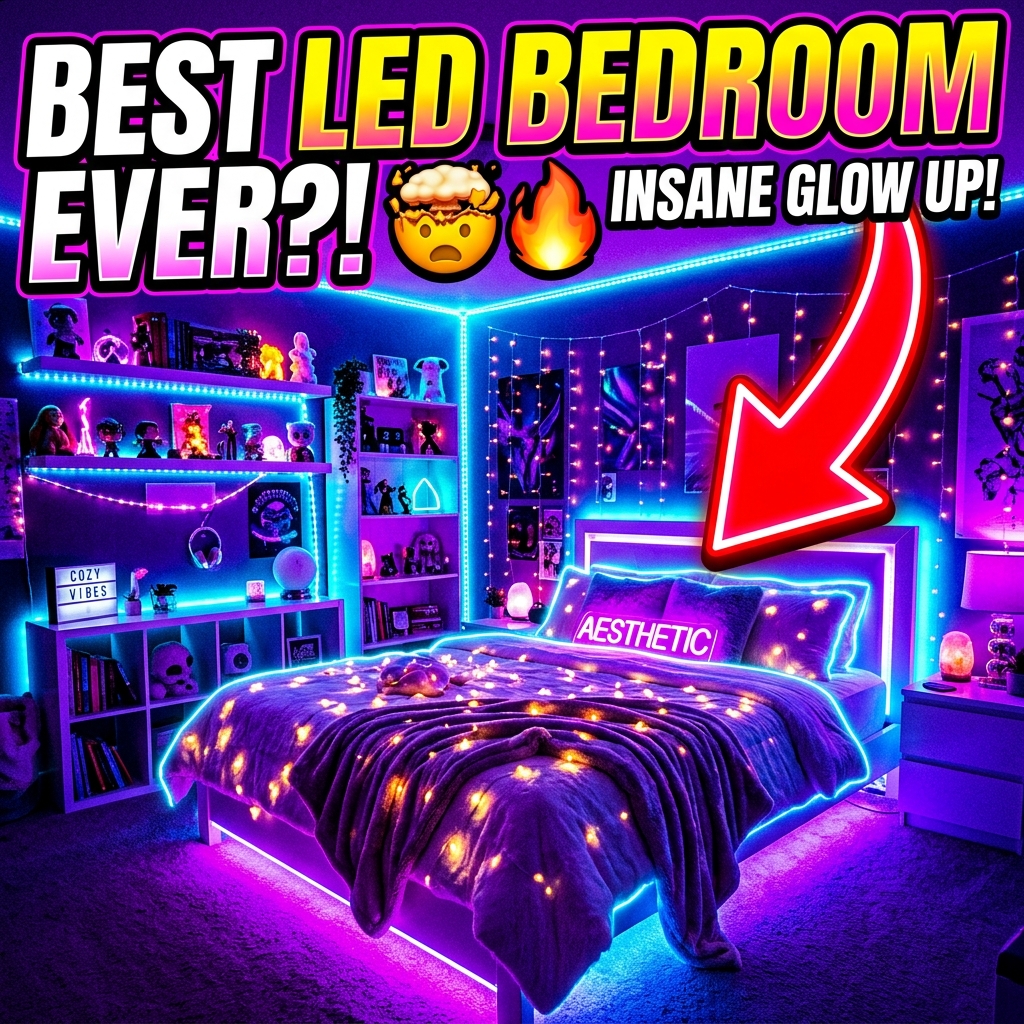
Aesthetic Bedroom Ideas with LED Lights: 7 Best Ways

Creating a comfortable and personal space starts with the right lighting. Many people struggle to find the exact balance between functional illumination and a relaxing atmosphere in their homes. Relying solely on a bright ceiling fixture often makes a room feel like a waiting area rather than a sanctuary. Finding aesthetic bedroom ideas with led lights solves this problem by giving you complete control over your room’s mood. You can change the entire feel of your space with a single button press.
“Great interior styling isn’t about buying expensive furniture-it’s about creating spatial harmony and warm, intentional lighting.”
– Interior Design Insights
Gone are the days when LED strips were just for gaming setups or teenage dorms. Modern lighting design incorporates these versatile fixtures into adult bedrooms. A well-planned lighting scheme highlights your favorite architectural features and hides awkward corners easily. It adds depth and character to otherwise flat walls. We will explore the best ways to upgrade your sleeping quarters using modern lighting techniques that actually look good.
Why Choose Aesthetic Bedroom Ideas With LED Lights?
When planning a room makeover, lighting should be your first consideration rather than an afterthought. Standard overhead bulbs create harsh shadows that make relaxing difficult after a long day. Customizing your space with LED strips offers flexibility that traditional lamps simply cannot match. You can set a calming amber tone for reading a book or a bright white for getting dressed in the morning. This versatility is why so many interior designers rely on them.
“Your living space should tell the story of who you are, woven together with tactile textures and authentic personal accents.”
– Professional Decorator Principles
Proper lighting directly impacts your sleep quality and daily energy levels. According to sleep experts at Healthline, exposure to certain light colors like warm red or orange promotes melatonin production. Installing adjustable LEDs allows you to sync your bedroom lighting with your natural circadian rhythm easily. This simple change helps you fall asleep faster and wake up feeling rested.
1. Perimeter Ceiling Glow
Installing lights where the wall meets the ceiling creates a clear illusion of height. This technique works exceptionally well in small bedrooms with low ceilings that feel cramped. The light washes down the walls, making the space feel open, airy, and expensive. You want to hide the actual light strip behind a piece of crown molding for a professional finish. It looks like the room itself is glowing from within.
A common mistake people make is sticking the bare LED strip directly to the wall. This looks unfinished and exposes your eyes to harsh glare every time you look up. Using an aluminum channel with a frosted plastic diffuser softens the light into a continuous glow. It takes a bit more effort to install, but the high-end result is worth the extra hour of work.
Color Temperature Matters
Selecting the correct color temperature dictates the entire mood of the room. Warm white (2700K to 3000K) mimics the cozy feel of traditional incandescent bulbs and firelight. Cool white (4000K to 5000K) feels more clinical and is better suited for a home office than a sleeping area. Always opt for adjustable RGBW strips so you have access to a dedicated warm white light channel.
2. Under-Bed Floating Effect
Placing LED strips under your bed frame creates a floating illusion that completely upgrades the floor space. It serves as an excellent nightlight that guides you in the dark without waking your partner. Motion-sensor kits are available that turn the lights on automatically when your feet hit the floor at night. This provides safety and convenience during late-night trips to the kitchen or bathroom.
Make sure your bed has enough clearance underneath for the light to disperse evenly across the floor. If your mattress sits directly on the floor or a solid box spring, this trick will not work effectively. You need at least four inches of empty space to achieve the proper visual impact. Secure the strips firmly with extra adhesive clips so they do not fall off over time due to dust or gravity.
3. Headboard Backlighting
A backlit headboard acts as the main focal point of your bedroom design and draws the eye immediately. You attach the LED strips to the back perimeter of the headboard, pointing directly toward the wall. The reflected light creates a soft halo effect that is great for reading before going to sleep. It eliminates the need for bulky bedside lamps, freeing up valuable space on your nightstands for books or your phone.
Aesthetic Bedroom Ideas With LED Lights For Your Headboard
The material of your headboard affects how the light bounces off the wall behind it. A solid wood or upholstered headboard blocks the light completely, creating a crisp outline. A metal frame with gaps will let the light spill through, which looks messy and defeats the purpose of the halo effect. Always consider the furniture materials you are working with before applying the adhesive strips.
4. Accentuating Wall Art and Mirrors
Backlighting a large floor mirror is a popular trend that adds instant depth to your room. The light bounces off the glass and the wall simultaneously, creating a beautiful layered effect. This provides flattering, even illumination when you are choosing your outfit for the day. You can achieve a similar effect by framing large pieces of canvas art with aluminum LED channels.
This approach requires careful wire management to maintain a clean and uncluttered look. You must route the power cables directly behind the mirror or through the wall itself. Visible wires instantly ruin the illusion of a floating, glowing object and make the setup look cheap. Take your time to map out the power source and cable route before applying any adhesive.
To find more inspiration for organizing and decorating your personal sanctuary, check out the helpful resources at The Self Care Online. You will discover many creative ways to arrange your room layout. This guarantees your newly installed lights highlight the best parts of your home.
Myth vs. Fact: LED Lighting
Many misconceptions surround the use of modern lighting in residential spaces today. People often associate these lights strictly with loud gaming setups. Let us clear up some of the most common misunderstandings regarding this technology.
Myth: LED strips look cheap and belong only in college dorm rooms.
Fact: When installed correctly with proper diffusers and aluminum channels, they look exactly like architectural lighting found in luxury hotels.
Myth: Sleeping with any light on in the room ruins your rest.
Fact: Dim, warm-colored lighting like deep red or amber can actually help signal your brain that it is time to prepare for sleep.
Myth: Installing custom lighting requires hiring an expensive electrician.
Fact: Most consumer LED kits are simple plug-and-play systems that anyone can safely set up in a single afternoon.
5. Highlighting Architectural Features
If your bedroom has unique features like exposed beams or built-in shelving, LEDs can make them stand out beautifully. Placing lights at the back of a bookshelf adds a refined gallery quality to your personal displays. It turns ordinary storage space into a deliberate design statement that catches the eye.
When lighting shelves, direct the light toward the wall rather than out into the room. This creates a silhouette effect that highlights your decor objects without blinding you. According to design principles discussed in Architectural Digest, layered lighting is the true secret to a beautifully designed and functional room.
6. TV and Monitor Bias Lighting
Adding lights behind your bedroom television reduces eye strain during late-night movie marathons. This technique, known as bias lighting, increases the perceived contrast of your screen dramatically. The picture will look sharper and the black colors will appear much deeper. It also creates a cozy, theater-like atmosphere right in your own home.
You want to choose a pure white light (around 6500K) for accurate color reproduction on your television display. Colored lights behind a screen can distort how your eyes perceive the colors in the movie or show. Many modern kits connect directly to the TV’s USB port, turning on and off automatically with the display for maximum convenience.
7. Creating a Starlight Ceiling
For a truly unique look, a fiber optic starlight ceiling offers an impressive visual experience every night. This involves installing hundreds of tiny light points across the ceiling panels above your bed. While more labor-intensive than simple strip lights, the end result is a calming night sky inside your bedroom.
This project usually requires dropping the ceiling slightly to run the fiber optic cables securely. It is a permanent modification that requires commitment, planning, and a bit of handiwork. However, the relaxing effect of sleeping under a simulated starry sky is hard to beat.
Comparing LED Light Strip Options
Choosing the right product is necessary for executing your design properly and safely. The market offers hundreds of choices, making it overwhelming for beginners. Below is a comparison of the most common LED strip types available to help you make an informed decision.
| LED Strip Type | Best Room Use Case | Primary Advantages | Major Disadvantages |
|---|---|---|---|
| Single Color (White) | Under-cabinet or basic backlighting | Very inexpensive and simple to install anywhere | No color changing ability for different moods |
| Standard RGB | Gaming rooms and colorful accent areas | Millions of bright colors available on demand | Cannot produce a clean, usable white light |
| RGBW (With White) | Adult bedrooms and main living spaces | Includes a dedicated diode for pure white light | Slightly more expensive than basic RGB strips |
| Addressable (ARGB) | Dynamic light shows and chasing visual effects | Individual LED control for complex patterns | Requires a complex controller and setup process |
Final Thoughts on Room Illumination
Taking the time to plan your lighting layout completely changes how you experience your bedroom daily. You do not need to implement every idea mentioned here to make a noticeable, positive impact. Pick one or two techniques that fit your space layout and your current budget.
The right lighting turns a basic, boring room into a personal sanctuary where you can truly unwind. Pay attention to hiding the wires and using diffusers to keep the look clean and mature. A thoughtful approach guarantees your space feels relaxing, intentional, and perfectly suited to your lifestyle.
Read also: Home decor tips you need to try
Frequently asked questions
Are LED lights safe to leave on all night?
Yes, modern LED strips generate very little heat and are extremely safe for extended use. However, leaving them on full brightness all night can disrupt your natural sleep cycle. It is best to use a smart timer or dim them significantly if you prefer sleeping with some ambient light in the room.
How do I hide the wires for my bedroom lights?
You can hide cables easily using adhesive cable raceways painted to match your exact wall color. For a more professional and permanent look, running the wires behind the drywall is the best option. Always plan your light placement close to existing wall outlets to minimize exposed power cords.
Can I cut LED strips to fit my bed frame exactly?
Most LED strips have designated copper cutting marks every few inches along the roll. You can safely cut along these specific lines with regular scissors to get the perfect custom length. Be aware that cutting anywhere else will permanently damage the lighting circuit and ruin the strip.
Do LED lights attract bugs into the bedroom?
Insects are generally attracted to ultraviolet and heat-producing light sources in the home. Because LEDs produce almost no heat and zero UV radiation, they attract far fewer bugs than traditional incandescent bulbs. Warm white or colored LEDs are the absolute least attractive options to insects.
What is the difference between RGB and RGBW?
RGB strips use red, green, and blue diodes to mix colors, which creates a muddy, bluish-white when trying to produce plain white light. RGBW strips include an additional, dedicated white diode built into the strip. This provides a clean, pure white light that is necessary for everyday use in a functional bedroom.