
Wabi Sabi Interior Design Ideas: 7 Ways to Get the Look
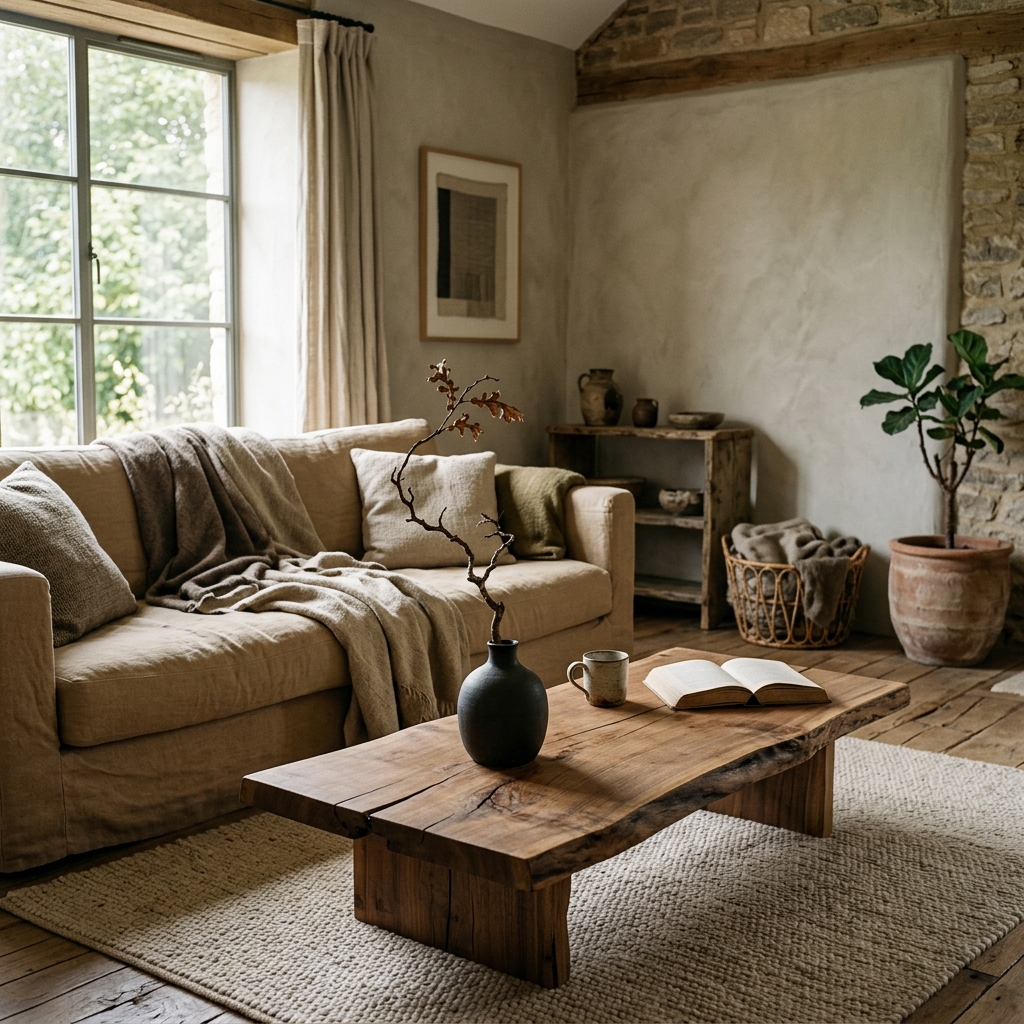
If you are tired of perfectly styled homes that feel too cold to actually live in, you need to look into wabi sabi interior design ideas. This Japanese philosophy finds beauty in imperfection, simplicity, and the natural cycle of growth and decay. It is the exact opposite of the mass-produced, shiny aesthetic that dominates so many modern feeds. I think we all reach a point where we want our homes to feel grounded and real instead of looking like a sterile showroom.
“Intentional daily routines transform how we experience our homes, our style, and our overall quality of life.”
– Modern Lifestyle Insights
Adopting this mindset changes how you view your space. You stop obsessing over matching furniture sets. You stop hiding every tiny scratch on your dining table. Instead, you start seeing the character in worn wood, the charm in handmade pottery, and the warmth of a lived-in environment. You can create a space that feels deeply personal and relaxing without spending a fortune on flawless new items.
I have noticed a massive shift in what people want from their living spaces. The pressure to maintain an immaculate house is exhausting. We need environments that support our well-being and allow us to breathe. By bringing self-care into your daily routine through thoughtful home design, you create a sanctuary that actually serves you. Let us look at how you can apply these principles to your own home.
“Small, deliberate aesthetic choices lead to transformative daily happiness inside your personal environment.”
– Aesthetic Living Experts
The core principles behind the aesthetic
Wabi sabi is not just a decorating style. It is a way of seeing the world. The concept originated in Japan and is deeply tied to Zen Buddhism. It focuses on accepting the transient nature of things. When you apply this to your home, you shift your focus from acquiring perfect objects to appreciating authentic ones.
You might wonder how this differs from minimalism. Minimalists often strive for sleek, uncluttered perfection. Wabi sabi spaces are also uncluttered, but they are warm and textured. They allow for visible signs of life. A cracked bowl repaired with gold or a faded linen throw are highly valued here.
This approach requires a mindset shift. You have to let go of the idea that new equals better. You must train your eye to appreciate the asymmetric, the raw, and the weathered. This is incredibly liberating. It means your home does not have to look finished all the time. It is a living, breathing space that evolves as you do.
Many design experts point out that this philosophy is the antidote to our fast-paced consumer culture. If you read resources on Architectural Digest, you will see a growing trend of designers moving away from polished looks toward more grounded, earthy environments.
How to implement wabi sabi interior design ideas
Bringing this look into your home does not require a complete renovation. You can start small by changing how you select and display objects. The goal is to cultivate a feeling of peace and authenticity. Here are seven ways to get the look without overcomplicating things.
1. Choose natural and raw materials
The foundation of this aesthetic relies heavily on materials that come straight from nature. Think about rough-hewn wood, unpolished stone, clay, and natural fibers like jute and linen. These materials have a tactile quality that mass-produced plastics simply cannot replicate. They bring an organic energy into your rooms and create a sensory experience that feels deeply calming. When you run your hand over a natural stone counter, it feels fundamentally different than touching a synthetic laminate surface.
When shopping for furniture or decor, look for pieces that show their natural grain or texture. A dining table made from reclaimed wood with uneven edges is a perfect example. It tells a story. Over time, these materials will age and develop a patina, which only adds to their beauty. This natural aging process is exactly what you want to encourage. You are looking for materials that will actually look better ten years from now than they do on the day you bring them home.
You can easily incorporate these textures through smaller items if a big furniture purchase is out of the question. Swap out synthetic throw pillows for linen covers. Add a woven seagrass rug to your living room. Use terracotta pots for your houseplants. These small changes collectively make a huge impact on the overall feel of the space.
Remember that exploring wabi sabi interior design ideas means prioritizing authenticity over perfection. A slightly misshapen handmade ceramic mug is far superior to a flawless factory-made one. It connects you to the maker and to the earth. You should surround yourself with items that ground you in the physical world.
2. Embrace asymmetry and irregularity
Symmetry is often associated with formal, traditional design. It can feel very rigid and uptight. Wabi sabi leans heavily into asymmetry because nature is rarely perfectly symmetrical. When you arrange your furniture or decor, avoid the instinct to match everything perfectly on both sides of a room. A perfectly mirrored room often looks like a hotel lobby, lacking the personal touch of a real home.
Instead of matching bedside tables, try using two different pieces that share a similar height or visual weight. Maybe one is a wooden stool and the other is a simple metal table. When creating a gallery wall, do not measure the spaces between frames to the exact millimeter. Let the arrangement feel organic and slightly off-balance. This creates a much more engaging visual experience for anyone walking into the room.
This principle extends to the objects themselves. Seek out items that have irregular shapes. A mirror with a slightly warped wooden frame or a vase that leans slightly to one side brings personality to a room. These imperfections make the space feel relaxed and unpretentious.
This relaxed approach is a key part of wabi sabi interior design ideas because it removes the pressure to maintain strict order. You can arrange things by feeling rather than by a strict set of rules. It makes styling your home much more intuitive and enjoyable. You learn to trust your own eye instead of following rigid guidelines.
3. Stick to a muted, earthy color palette
Color plays a massive role in setting the mood of a room. To achieve a calming, grounded atmosphere, stick to colors found in nature. Think about the shades of autumn leaves, dried grasses, wet stone, and raw earth. These colors do not demand attention. They recede into the background and create a soothing environment that allows your nervous system to relax after a long day.
Browns, grays, muted greens, warm whites, and soft terracottas should form the base of your palette. Avoid harsh, bright, or neon colors. Even pure, stark white can sometimes feel too clinical for this aesthetic. Opt for creamy off-whites or plaster colors that have a bit of warmth to them. These softer whites reflect light in a much more gentle way.
If you want to read more about the psychological impact of colors in the home, sites like The Spruce offer excellent guides on choosing relaxing palettes. The key is to layer these muted tones rather than relying on high contrast. A beige sofa against a warm gray wall with a taupe throw blanket creates depth without visual noise.
This subtle layering is a cornerstone of wabi sabi interior design ideas, ensuring the space feels complex but never overwhelming. When the colors are quiet, the textures get to be the star of the show. You will find that you do not get tired of these colors the way you might with a trendy, bold shade.
4. Appreciate wear, tear, and repair
In most modern homes, a broken item is immediately thrown away and replaced. The wabi sabi approach asks you to do the opposite. It asks you to see the value in the history of an object. Wear and tear are not flaws. They are proof that an item has been used and loved.
The Japanese art of Kintsugi is the best example of this. When pottery breaks, it is repaired with a lacquer mixed with powdered gold or silver. The repair is highlighted rather than hidden. You can apply this mindset to your home by choosing to repair things visibly or by simply accepting scratches, dents, and fading. A repaired item gains character and becomes totally unique to you.
Do not be afraid of a leather chair that has faded in the sun or a wooden floor that has scuff marks. These marks give your home soul. When buying vintage items, look for pieces with a distinct patina. They bring immediate character to a room that brand new items simply lack.
When you stop stressing over keeping everything pristine, you can actually relax in your own home. This is why wabi sabi interior design ideas resonate with so many people today. They offer permission to live messily and authentically without feeling like you are failing at housekeeping. Your home is allowed to show signs of life.
5. Declutter with purpose and intent
While this style celebrates imperfection, it does not celebrate chaos. Clutter creates visual noise and causes stress. You need to edit your belongings down to what you actually use and love. The space between objects is just as important as the objects themselves. When a room is stuffed full of furniture and accessories, you cannot appreciate the individual beauty of any single piece.
Do not just hide your clutter in closets and drawers. Truly evaluate what you own. Keep items that have utility or deep personal meaning. Let go of the cheap, mass-produced decor you bought just to fill an empty corner. An empty corner is often better than a filled one, giving your eyes a place to rest.
When you display items, give them room to breathe. Place a single beautiful bowl on a large table instead of crowding it with a stack of books, candles, and trays. This negative space highlights the beauty of the few objects you choose to display. It forces you to interact more intentionally with your environment.
This intentional approach to belongings is a recurring theme in wabi sabi interior design ideas. It forces you to be mindful about what you bring into your home and how you interact with your physical environment. You end up with fewer things, but the things you have are much more meaningful to your daily life.
6. Introduce organic and irregular shapes
Straight lines and sharp corners dominate modern architecture. To soften a space and make it feel more natural, you need to introduce organic shapes. These are shapes with soft curves, uneven edges, and flowing lines. They mimic the forms found in nature, like river rocks or leaves. Introducing these curves breaks up the harsh, boxy feeling of standard construction.
Look for furniture with rounded edges. A curved sofa or a round coffee table breaks up the harsh geometry of a standard square room. Even smaller decor items can introduce these shapes. A perfectly round mirror is nice, but an asymmetrical, pebble-shaped mirror is much more interesting.
You can also find organic shapes in artwork and textiles. Choose pieces that feature abstract, flowing forms rather than rigid geometric patterns. Hand-drawn lines and watercolor washes fit this aesthetic perfectly because they show the human hand behind the work.
By softening the hard edges of your rooms, you create a more welcoming and relaxed atmosphere. It feels less like a structured box and more like a natural shelter. This subtle shift in geometry makes a surprisingly big difference in how a room feels to spend time in.
7. Incorporate nature directly indoors
Since the philosophy is based on the natural world, it makes sense to bring actual pieces of nature inside. However, this does not mean you need a perfect, lush indoor jungle. The approach to plants and botanicals should be as relaxed and imperfect as the rest of the design.
Instead of buying a flawless bouquet of uniform roses, forage for interesting branches in your yard. A single, twisting branch in a simple clay vase is incredibly striking. Dried flowers and seed pods are also excellent choices because they represent the beauty of the natural aging process.
If you prefer living plants, choose ones that have a slightly wild or unruly shape. Let them grow naturally without aggressive pruning. Place them in handmade ceramic pots rather than sleek plastic planters. The connection to the earth should be obvious.
Nature is unpredictable and constantly changing. By bringing a piece of it inside, you remind yourself of the transient nature of life. This connection to the outdoors is grounding and calming, serving as the final touch to your perfectly imperfect home.
Read also:
Read also: Self-care tips you need to try
Frequently asked questions
What is the main concept behind this design style?
The main concept revolves around finding beauty in imperfection, simplicity, and the natural cycle of life. It rejects the idea of polished, mass-produced perfection and instead celebrates things that are weathered, authentic, and uniquely flawed. The goal is to create a peaceful, grounded environment.
How do I start applying this to my home?
Start by editing your belongings to reduce clutter. Then, introduce natural materials like raw wood, linen, and clay. Focus on earthy, muted colors. Most importantly, change your mindset to appreciate the wear and tear on your items rather than feeling the need to replace them.
Does this style mean my house should look messy?
Not at all. While it embraces imperfection, it does not embrace clutter or dirt. The spaces should still be clean and intentionally edited. The imperfection comes from the asymmetrical placement of objects, the rough textures of natural materials, and the visible signs of age on your belongings.
Can I mix this with modern furniture?
Yes, you can absolutely mix these pieces with modern furniture. In fact, the contrast between a sleek modern sofa and a weathered, rustic wooden stool can look incredible. Just make sure to stick to a cohesive, muted color palette so the different styles blend together harmoniously.
Why are natural materials so important here?
Natural materials connect us to the earth and ground the space. Unlike synthetic materials, things like wood, stone, and leather age gracefully. They develop a unique patina over time. This aging process is a key part of the philosophy, reflecting the passage of time and the beauty of impermanence.
Is this expensive to achieve?
It can actually be very affordable. Because the style values older, worn items, you can often find great pieces at thrift stores, flea markets, or even in nature. You do not need to buy expensive, brand-new designer furniture. The focus is on authenticity, not luxury.

9 Comments