
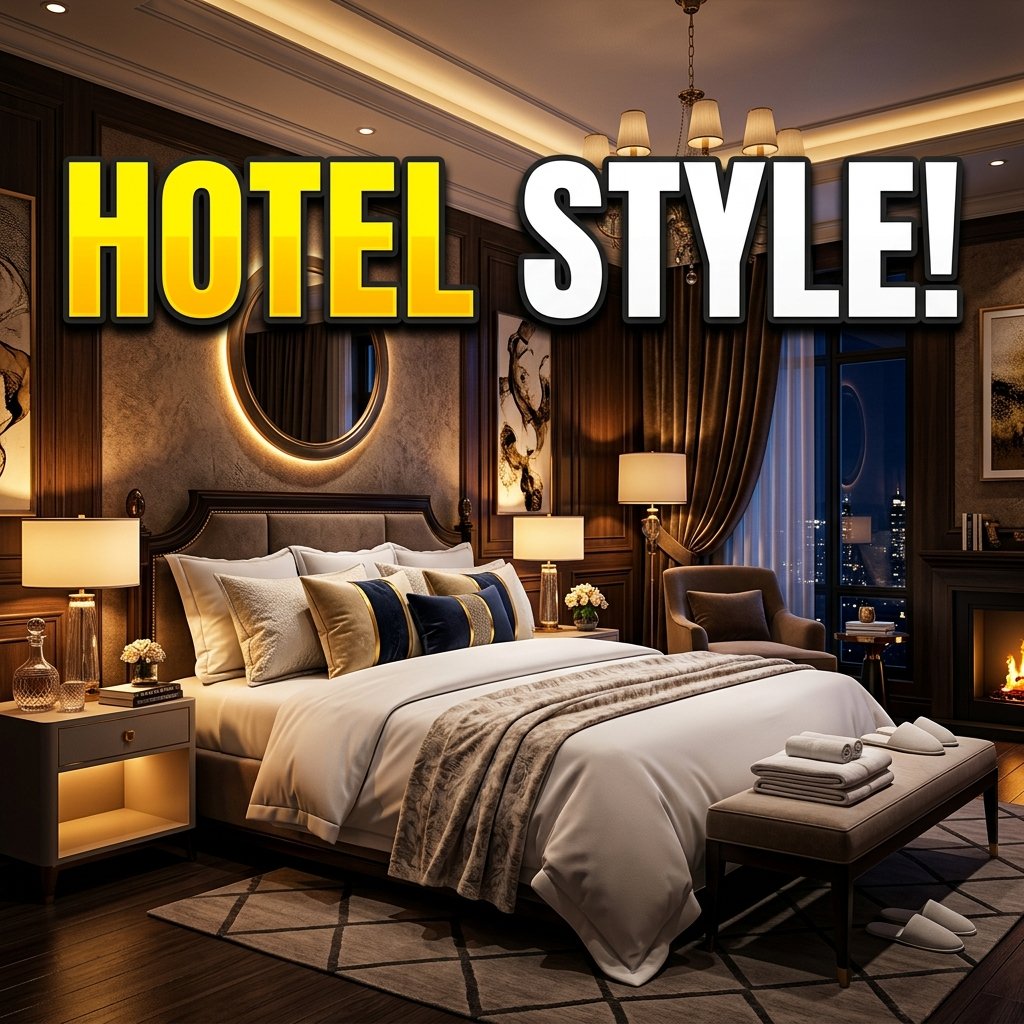
7 Boutique Hotel Home Styling Ideas to Elevate Your Space
Boutique Hotel Home Styling relies on a combination of highly curated artwork, ambient lighting, and deeply plush textiles to transform an ordinary residential space into a relaxing, five-star luxury retreat. By focusing heavily on sensory details such as signature room scents, layered premium bedding, and minimalist aesthetics homeowners can easily replicate the bespoke comfort of an upscale boutique hotel without requiring a massive renovation budget.
Boutique hotels have a very specific way of making interiors feel incredibly thoughtful without ever feeling stiff or unapproachable. The best properties around the world seamlessly combine absolute comfort, unique local personality, and small, highly intentional design details that make a room truly memorable.
That exact same approach can work beautifully inside your own home. You do not need to hire an expensive interior architect or gut your entire house to borrow these high-end ideas. A few intentional, well-placed changes can instantly make your everyday spaces feel significantly calmer, warmer, and vastly more polished.
Many people assume that luxury requires excess. In reality, modern luxury is about curation and restraint. It is about selecting fewer, better things. This philosophy of intentionality is what separates a cluttered domestic room from a serene hospitality suite.
1. Start With a Strong First Impression
Boutique hotels deeply understand the psychological value of arrival. From the moment you walk through the doors, the lobby scent, the carefully adjusted lighting, and the strategically placed artwork are all designed to set a very specific, relaxing mood. At home, your entryway can achieve that exact same effect on a smaller scale.
A welcoming entry does not need to be massive or grand. It simply needs purpose and extreme organization. A narrow floating console table, a beautifully framed mirror, a small table lamp, or a woven catch-all basket can make the space feel organized and highly inviting.
“The entryway is the handshake of your home. It dictates the emotional temperature for every room that follows.”
– Lead Hospitality Designer
Even a compact apartment entrance can feel completely elevated when visual clutter is reduced and one or two decorative elements are chosen with extreme care. Try focusing on a statement mirror to reflect natural light, a tray for keys, and warm lighting instead of relying on harsh overhead bulbs.
2. Layer Textures Like a Guest Suite
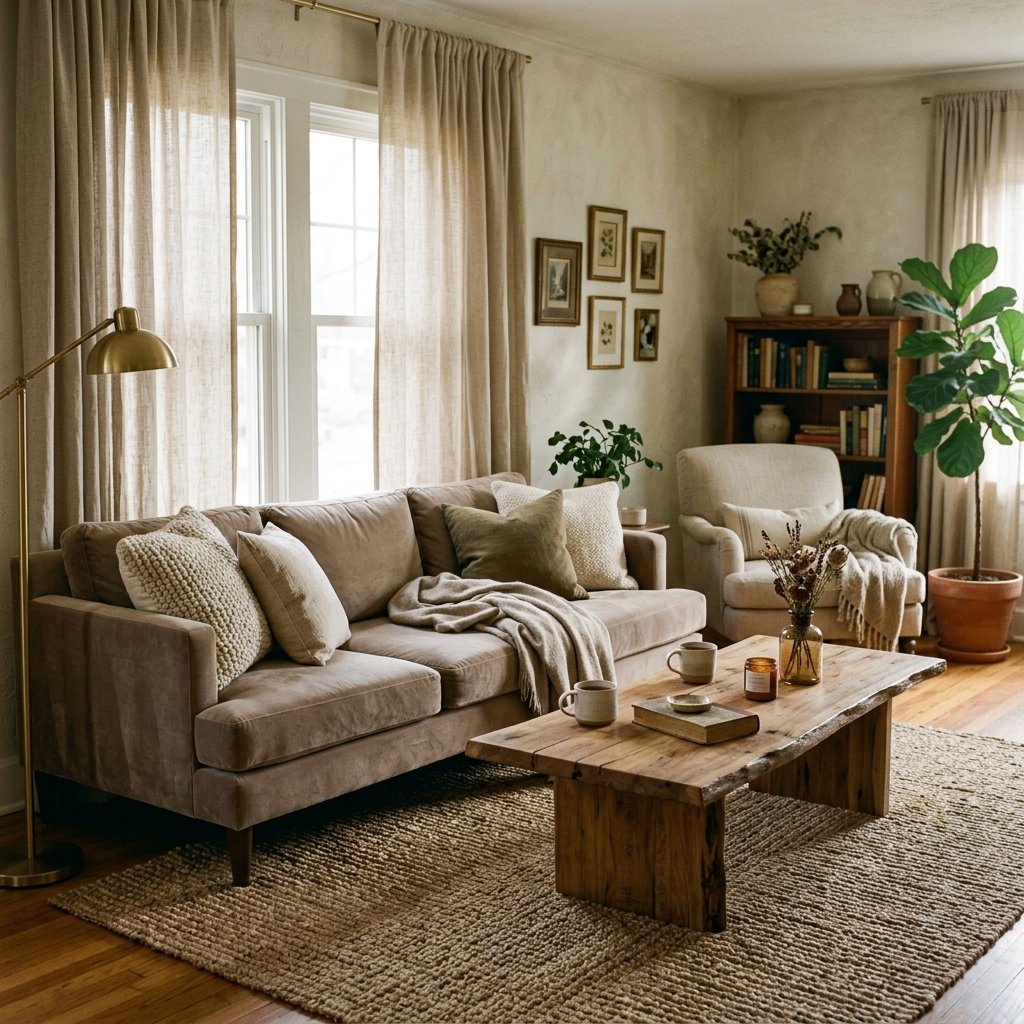
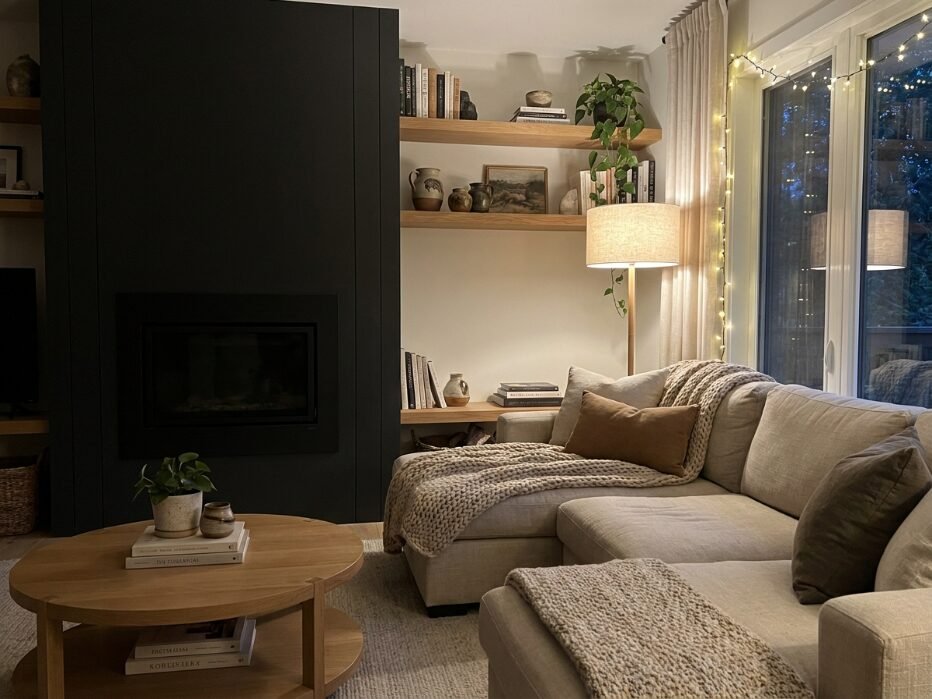
One primary reason hotel rooms feel so incredibly comfortable is the aggressive layering of physical textures. Soft luxury bedding, heavily textured throws, deeply upholstered furniture, heavy linen curtains, and thick woven rugs all work together in harmony to create visual depth. A plain room can feel much more complete when textures are mixed thoughtfully.
In a primary bedroom, this might mean adding a heavy velvet quilt at the end of the bed, swapping out flat pillows for fuller, down-filled cushions, or using sheer linen curtains to soften the incoming light. In a living room, adding a boucle accent chair, a textured Moroccan rug, or a leather ottoman can make the space feel intentionally designed.
Texture also helps a room feel inviting without relying heavily on loud, chaotic colors. A strictly neutral interior can still feel exceptionally rich when it confidently mixes wood, cotton, wool, ceramic, glass, and fresh greenery. By utilizing a minimalist aesthetic paired with rich materials, you achieve a sophisticated balance.
3. Expert Authority: The Hospitality Philosophy
In my years of experience analyzing high-end residential and commercial interiors, I have found that the most successful spaces prioritize sensory experience over visual trends. When our design teams evaluate what makes a space feel truly ‘expensive’, the answer is rarely the price tag of the furniture.
Instead, true luxury stems from friction-less living. High-end hotels eliminate annoyances. They ensure light switches are within reach from the bed. They ensure towels are soft and plentiful. Applying boutique hotel home styling means anticipating your own needs. Trustworthiness in design is achieved when a space actually functions beautifully, rather than just looking good in a photograph.
4. Use Ambient Lighting to Create Zones
Lighting is arguably the biggest differentiator between a standard, ordinary room and a truly hotel-inspired space. Boutique hotels rarely, if ever, rely on a single, glaring ceiling light. They use complex layers, including wall sconces, table lamps, floor lamps, and hidden accent lighting to create different moods throughout the day.
At home, layered lighting helps your spaces work significantly harder. A living room can feel bright and energizing during the day, relaxed in the early evening, and intimately cozy at night. A bedroom can shift rapidly from practical to restful with the right heavily shaded bedside lamps.
Lighting also heavily supports lifestyle habits. A softly lit lounge can encourage slower, more intentional evenings, whether someone is reading a book, watching a film, or browsing adult leisure platforms such as kingjohnnie casino during their personal downtime. The key here is to create a setting that feels comfortable and completely controlled rather than harsh or overstimulating. For more ideas on maximizing comfort in small spaces, view our apartment decor ideas for small spaces.
5. Bring Personality Through Curated Artwork
Boutique hotels vigorously avoid generic, mass-produced decoration. They use highly specific local artwork, unusual hand-thrown ceramics, interesting coffee table books, unique textiles, and vintage pieces to give each individual room a distinct sense of identity. Homes always feel better when they do the exact same thing.
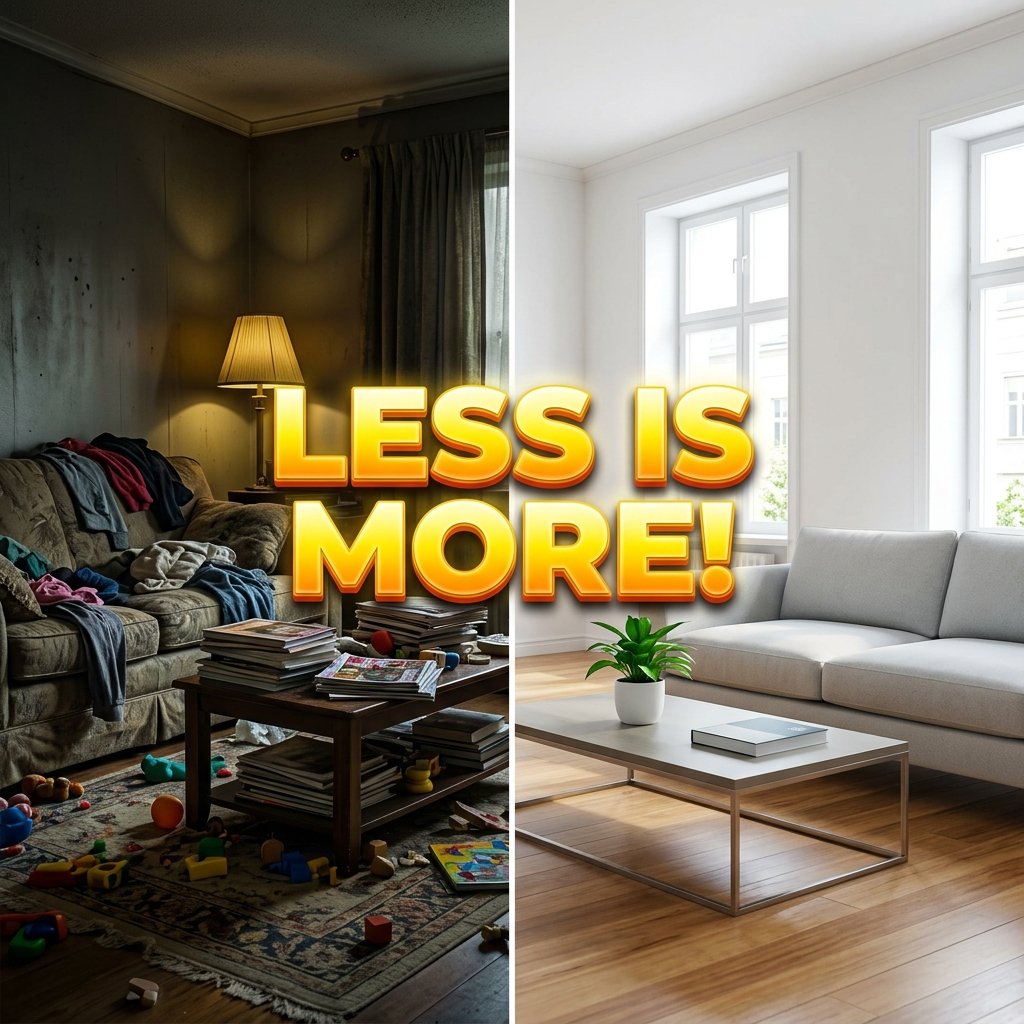
Instead of filling shelves with random, disconnected items, choose objects that actually tell a cohesive story. Travel finds, framed family photos, handmade pottery, or large framed prints can make a room feel deeply personal. The trick is ruthless editing. A few meaningful, high-quality pieces are usually much stronger than a crowded, dusty display.
“Decoration is merely filling space. Curation is the art of leaving enough empty space for the selected objects to actually breathe.”
– Global Hotel Art Curator
A useful approach is to style objects in groups of three: one taller item, one medium item, and one smaller grounding item. Art is also the easiest way to instantly change the mood of a room. Large abstract prints make a dining space feel modern, while botanical artwork softens a bedroom.
6. Make Bathrooms Feel Like a Spa
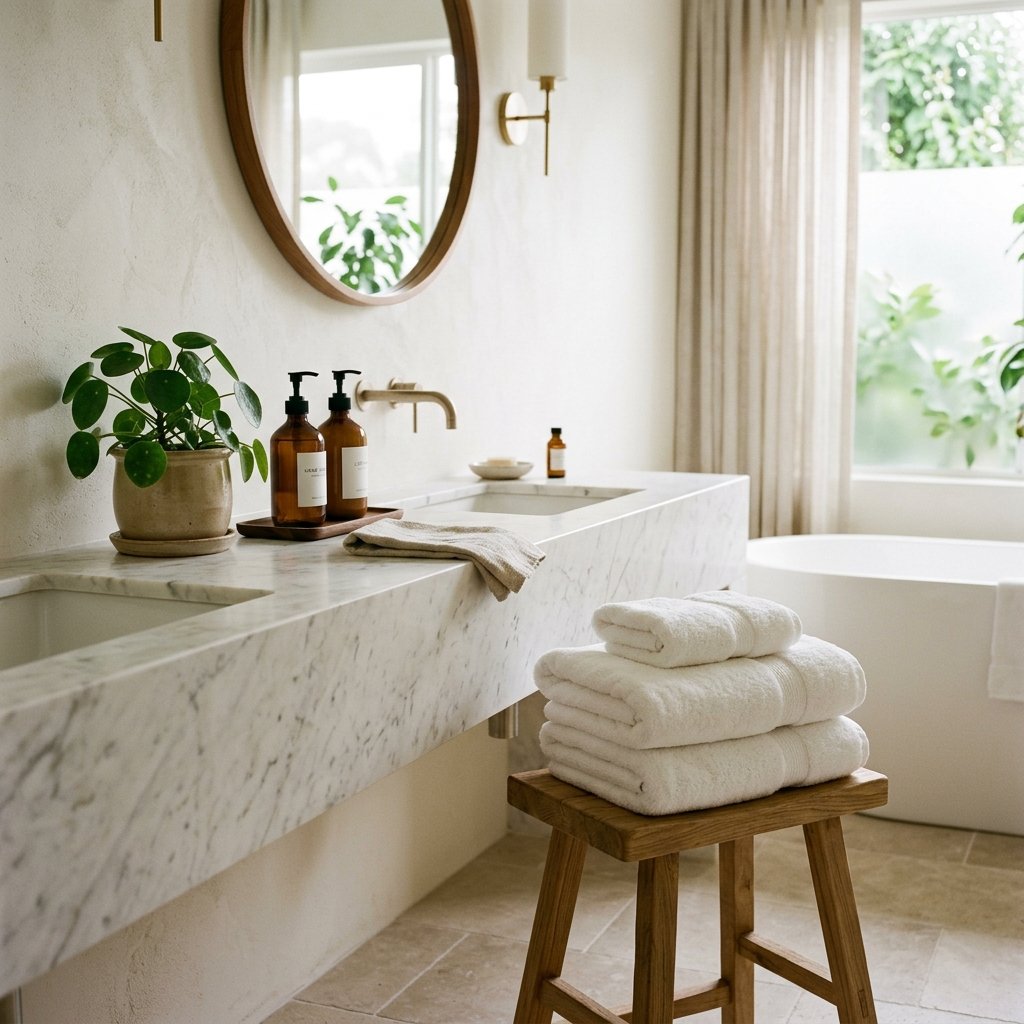
Boutique hotel bathrooms feel luxurious because they are inherently calm, spotlessly clean, and ruthlessly organized. You can easily borrow this feeling at home without needing to replace expensive tiles or plumbing fittings.
Start with what people see first. Matching plush towels, a simple glass soap dispenser, a small moisture-loving plant, and a completely clear countertop can make a massive difference. Open shelving can look incredibly stylish when necessary items are grouped logically in woven baskets or marble trays.
The ultimate goal is not to create an untouchable showroom. It is to make the bathroom feel calmer and easier to use on a daily basis. If you want further reading on elevating personal spaces, you can study architectural digests on how to make your bedroom feel like a hotel.
Before buying new decor, sit down and think intensely about how the space should actually feel. Should it be restful, highly creative, fiercely social, elegantly formal, or warmly cozy? Once that specific mood is explicitly clear, purchasing decisions become infinitely easier.
Boutique hotel style works so well at home because it focuses completely on atmosphere. With layered ambient lighting, thoughtful plush textiles, personal details, and a little ruthless editing, ordinary rooms can feel vastly more intentional. Take a look at our home decor concepts for more inspiration, and start elevating your space today.
Frequently Asked Questions About Hotel Style Decor
How do I make my bed look like a luxury hotel bed?
To achieve a luxury hotel bed, use crisp, high-thread-count white percale cotton sheets. Add a thick down or down-alternative duvet, fold the top sheet back over the duvet cover, and layer at least four plump sleeping pillows with two decorative accent cushions in front.
What is the best lighting setup for a relaxing bedroom?
The best lighting setup eliminates harsh overhead lights. Instead, use heavily shaded bedside table lamps with warm-toned LED bulbs (2700K temperature). Install dimmer switches on all fixtures to easily control the ambient mood during the evening.
Why do hotel rooms always smell so good?
Luxury hotels use centralized HVAC scenting systems to distribute a signature fragrance. You can replicate this at home by using high-quality reed diffusers, essential oil ultrasonic diffusers, or premium soy candles placed strategically in the entryway and living room.
How can I make a small bathroom feel like a spa?
Clear all daily products from the countertops and store them in baskets or drawers. Upgrade to matching, oversized white towels, decant your liquid soaps into matching glass or ceramic pump bottles, and add a small, humidity-loving plant like a fern.
Does minimalist design mean a room will feel cold?
No, minimalist design only feels cold when it lacks texture. By combining a minimalist, uncluttered layout with rich, warm textures like natural timber, heavy wool rugs, soft velvet, and linen, the room will feel highly curated and inviting rather than sterile.


5 Comments