Dry Brushing Benefits for Skin: 7 Things That Actually Happen After 30 Days
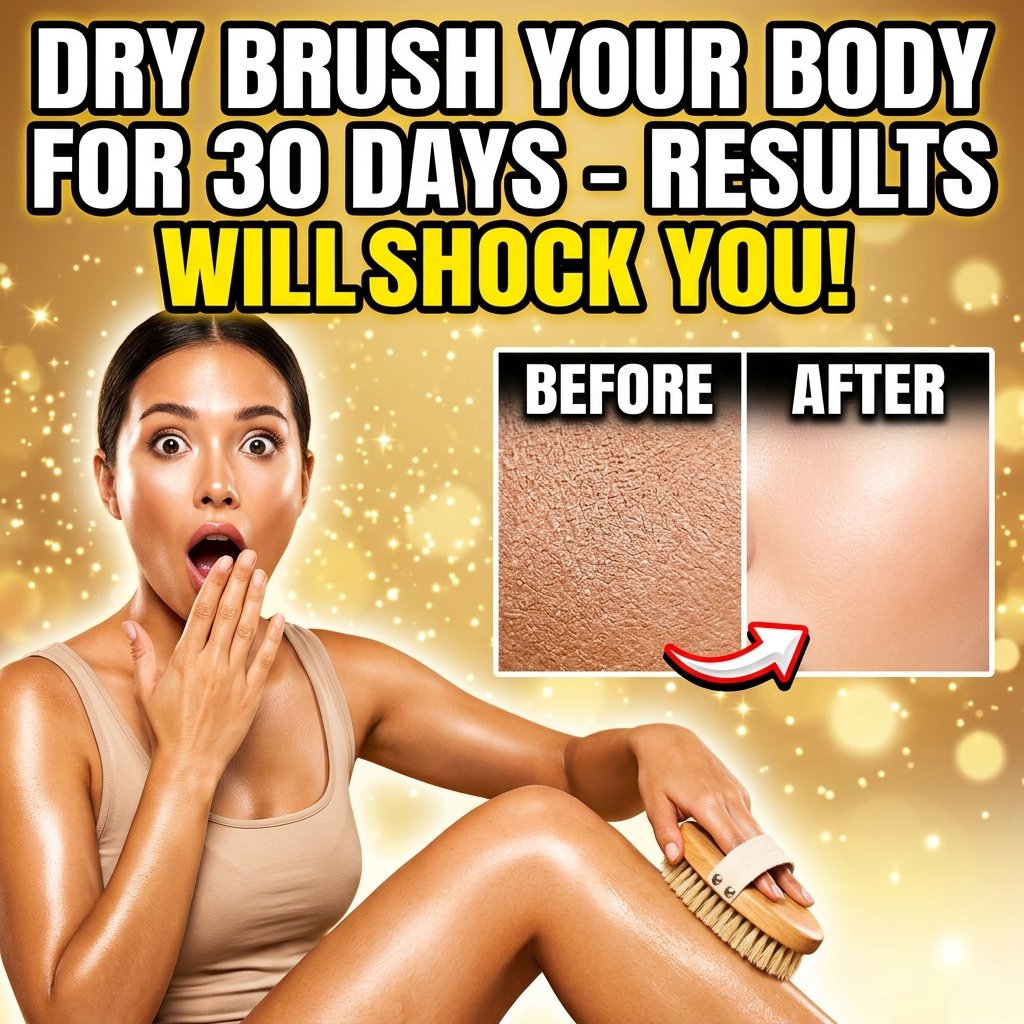
Have you noticed the recent hype around a simple wooden brush with stiff bristles taking over the wellness space? If you want to know the real dry brushing benefits for skin, I have spent the last 30 days testing this daily routine to see what actually happens to your body.
People constantly claim this affordable tool cures cellulite, boosts your morning energy, and completely detoxifies the body from the outside in. I decided to find out what is actually true and what is just clever marketing designed to sell more wellness products to unsuspecting buyers.
“Consistency and gentle barrier care are far more effective in skincare and beauty routines than aggressive quick-fix treatments.”
– Dermatological & Beauty Care Insights
I bought a standard boar bristle brush, set my morning alarm exactly five minutes earlier than usual, and scrubbed my body from head to toe before jumping into the shower every single morning. The process takes some getting used to, but the results surprised me in ways I did not expect.
Many wellness trends require expensive equipment or monthly subscriptions, but this one only requires a basic tool that costs less than a decent cup of coffee. You control the pressure, the timing, and the frequency, making it a highly customizable habit to build.
“Self-care isn’t a luxury; it’s a foundational daily ritual that restores mental balance and physical vitality.”
– Wellness & Beauty Philosophy
Dry brushing benefits for skin explained
I was highly skeptical at first. Dragging stiff bristles across sensitive areas of my body did not sound like my idea of a relaxing morning routine. Yet, the physical friction does something undeniable to the top layer of your epidermis that a normal towel simply cannot achieve.
When you sweep the brush in long, upward strokes toward your heart, you mechanically exfoliate dead cells that make your surface look dull and ashy. This manual exfoliation is the most immediate change you will notice when you start the practice, and it feels incredibly satisfying.
Beyond surface exfoliation, proponents talk a lot about lymphatic drainage and fluid movement. The lymphatic system relies entirely on muscle movement to push fluid around your body. The light pressure from the bristles helps stimulate this normal physiological flow naturally. You can read more about how the lymphatic system functions to understand the science behind it.
This gentle surface stimulation also increases localized blood circulation right below the barrier. You get a temporary flushed glow right after you step out of the bathroom, making you look awake and refreshed before you even have your breakfast.
You do not need to press hard to see these effects. The goal is to stimulate the very top layer, not to scrub your body raw. Treating the practice like a light, sweeping massage yields far better results than aggressively attacking your limbs.
What happens after week one: Exfoliation station
The first few days felt surprisingly rough and slightly uncomfortable. It takes time for your body to adjust to the scratchy sensation, and you have to use very light pressure at the beginning to avoid irritating yourself unnecessarily.
By day seven, my legs felt smoother than they had in months. I stopped needing to use heavy, messy salt scrubs in the shower because the brush was doing all the heavy lifting beforehand while I was still completely dry.
One of the best dry brushing benefits for skin is how effectively it preps your body to absorb thick moisturizers.
When you successfully remove that thick barrier of dead cells, your expensive lotions and body oils sink in immediately instead of sitting on the surface and eventually rubbing off on your clothes throughout the day.
I started applying plain jojoba oil right after I turned off the shower water, and my hydration levels improved noticeably compared to my previous, rather lazy moisturizing routine. The oil absorbed in seconds, leaving no greasy residue behind.
Week two: The unexpected energy boost effect
Many wellness influencers confidently claim this practice replaces their morning coffee entirely. I will not go that far, but there is definitely a strong stimulating effect that wakes you up quickly.
The physical act of briskly rubbing your entire body absolutely wakes up your nervous system. You feel invigorated, warm, and highly alert before the hot water even hits you in the shower.
I also noticed significantly fewer ingrown hairs on my legs as the second week progressed. Because the bristles sweep away trapped debris and keratin, new hair growth can break through the surface normally. If you deal with constant bumps, understanding what causes ingrown hairs helps you appreciate why physical exfoliation works so well.
I read about different techniques online and realized I was moving the brush way too fast. You need to use slow, deliberate strokes. Rushing through the entire process in one minute defeats the purpose and often leads to painful scratches.
I also learned to wash the brush once a week with gentle soap and warm water to prevent bacteria buildup. You must leave it in a sunny spot to dry completely, otherwise the natural bristles can develop an unpleasant mildew smell.
Week three: Cellulite claims put to the test
Let us talk directly about the biggest promise marketers make about this specific tool. They say it completely melts away cellulite and tightens everything up in a matter of weeks.
After three weeks of daily dedication, the dimples on the back of my thighs looked exactly the same as they did on day one. The increased blood flow makes the area look temporarily plumper right after you brush, which might hide texture for a few hours at most.
However, it is not a long term cure for cellulite. Cellulite happens below the connective tissue, and no amount of surface level scratching will change your internal structural fat distribution. Believing otherwise will only lead to frustration.
Even so, the overall texture of my body felt incredibly soft and smooth to the touch. You just have to manage your expectations and focus on the realistic dry brushing benefits for skin instead of hoping for impossible miracle cures.
I started recommending the practice to friends who specifically struggle with keratosis pilaris, those annoying little red bumps on the backs of arms. The daily gentle exfoliation helps smooth them out significantly over time without requiring harsh chemical acids.
Week four: Creating a sustainable habit
By day thirty, this step became an automatic, non-negotiable part of my morning. I no longer had to think about it or remind myself to grab the wooden handle before turning on the water.
My body looks noticeably brighter and healthier overall. The consistent exfoliation easily prevents that dry, scaly look that often happens on my shins during the colder, drier months of the year.
I learned the hard way that you should never use this tool on your face, neck, or chest. The bristles are far too harsh for delicate areas. You also need to entirely skip any areas with cuts, fresh sunburn, or active eczema flare ups.
To maximize your results, you want to invest in a brush with natural bristles rather than cheap synthetic plastic ones. Natural bristles are softer, gentler, and significantly less likely to cause micro tears on your surface.
If you are looking to revamp your daily routines and find things that actually work, check out the various wellness resources available online to build a better morning schedule that serves your goals.
The science of lymphatic support
People often misunderstand how the lymphatic system actually functions. Unlike your cardiovascular system, which has a powerful heart to pump blood, your lymphatic system relies entirely on your bodily movements to circulate fluids.
When you live a highly sedentary lifestyle, sitting at a desk for eight hours a day, this fluid often stagnates. You might notice swelling in your lower legs or ankles by the time you clock out of work.
The manual sweeping motion of the bristles provides external stimulation to push this stagnant fluid back toward your lymph nodes. This is why you must always brush upward toward your chest and heart, never downward.
While the pressure from the bristles is light, it is enough to make a noticeable difference in how heavy or puffy your legs feel in the morning. It acts as a gentle manual massage to kickstart the system.
You cannot rely on this practice alone for a healthy lymphatic system, of course. You still need to drink plenty of water and stay active, but it serves as an excellent supplementary habit.
The final verdict on the 30 day experiment
So, is it worth adding five extra minutes to your hectic morning routine? Yes, absolutely. I plan to continue doing this long after the experiment ends.
The biggest takeaway is that consistent, gentle physical exfoliation transforms your texture over a month. You feel softer, your expensive products work better, and you get a nice burst of natural energy.
Just remember that the true dry brushing benefits for skin are mostly surface level and closely related to blood circulation. The practice will not change your body shape, help you lose weight, or permanently eliminate cellulite dimples.
Start with very light pressure, always move the strokes toward your heart, and always follow up with a rich moisturizer while your body is still slightly damp from the shower.
I plan to continue this exact habit through the brutal winter months when I usually struggle the most with dry patches, itchiness, and overall dullness on my legs and arms.
How to choose the right tools for your routine
Not all brushes are created equal, and buying the wrong one can ruin the experience entirely. You want to find one with a long, detachable handle so you can easily reach the middle of your back and your shoulders without straining.
Boar bristles are the standard recommendation because they provide the right amount of stiffness without feeling like sharp wire. Plant based fibers like sisal are great vegan alternatives, though they tend to be slightly stiffer out of the box.
You must replace your brush every six months, just like you would a shower loofah or a toothbrush. The bristles break down over time, lose their effectiveness, and harbor dead cells no matter how well you wash them.
You can sometimes find smaller, softer versions specifically designed for the face and neck. I personally prefer keeping my facial routine separate and using chemical liquid exfoliants there instead of risking physical irritation.
I have seen many people give up after only three days because they press too hard and irritate themselves immediately. Treat the process like a gentle, sweeping massage, not a deep scrub designed to remove paint.
Maximizing your daily results
Always perform this routine on completely dry skin before you get anywhere near the shower water. Getting wet softens the bristles and completely changes the friction level, rendering the process ineffective.
Start at the bottoms of your feet and sweep upward in long, straight, continuous motions. When you reach your stomach and major joints like knees and elbows, switch to circular clockwise motions.
After your shower, pat dry gently with a clean towel. Do not rub your body aggressively, as you have already done plenty of heavy exfoliation for the day.
Apply your favorite body oil or heavy cream immediately after patting dry. Your freshly exfoliated surface will drink the moisture up incredibly fast, locking in hydration for a full twenty four hours.
Exploring the dry brushing benefits for skin is a surprisingly simple, inexpensive way to upgrade your boring bathroom routine without buying dozens of complicated new products.
Common mistakes beginners need to avoid
You need to avoid a few common pitfalls to get the most out of your morning routine:
- Brushing too often damages your protective barrier.
- Using too much pressure causes micro tears and lasting redness.
- Skipping your moisturizer leaves your fresh layer dangerously exposed.
- Sharing your brush spreads bacteria and fungal infections.
The most frequent error is doing the routine too often. While I did it daily for this specific 30 day test, two to three times a week is plenty for most normal people to maintain great results.
Over-exfoliating can severely damage your protective barrier and lead to chronic redness or painful sensitivity. Listen to your body closely and scale back the frequency if you notice any lasting irritation.
Another major mistake is skipping the heavy moisturizer afterward. Removing dead cells leaves your fresh layer fully exposed, and you need to lock in hydration immediately to protect that vulnerable layer.
Understanding the actual dry brushing benefits for skin helps you completely avoid disappointment and enjoy the practice for what it really is: a great way to stay incredibly soft and highly energized every single morning.
Read also:
Read also: Self-care tips you need to try
Frequently asked questions
How long should a standard session take?
A typical session takes three to five minutes total. You only need a few overlapping strokes over each area of your body to get the full effects without causing irritation.
Can I do this if I have sensitive skin?
Yes, but you need to use extremely light pressure and limit the practice to once or twice a week. If you experience severe redness, stinging, or lasting irritation, stop the practice immediately.
Do I need to shower immediately after?
Yes, showering right away is highly recommended. The sweeping process loosens thousands of dead cells, and the shower water rinses them away before you apply your daily moisturizer.
What type of moisturizer works best afterward?
Body oils like jojoba, sweet almond, or thick creams formulated with shea butter work best. Your body will absorb heavy moisturizers much faster and deeper after you physically remove the dead top layer.
Can this practice help with loose skin?
No, it cannot magically tighten loose skin. It only impacts the uppermost layers by removing dead cells and temporarily boosting blood circulation in the immediate area.
How do I properly clean my brush?
Wash the bristles once a week with a gentle baby shampoo or mild soap. Rinse thoroughly and leave it in a well ventilated, sunny area to dry completely to prevent dangerous mold growth.
Should I use a body brush on my face?
No, you should never use a stiff body brush on your face. The bristles are far too abrasive for delicate facial skin. Use a dedicated, extra soft facial tool or stick to gentle chemical exfoliants instead.