How to Make Matcha Tea Like a Pro (No Clumps)
Let me tell you right now, learning how to make matcha tea changed my mornings completely. For years, I relied on terrible office coffee to wake me up. I felt jittery, anxious, and inevitably crashed by noon every single day. The routine was exhausting, and my digestive system was paying the price.
Then a friend handed me a proper bowl of whisked green powder. It was smooth, earthy, and perfectly frothy without a single clump. I was instantly hooked and decided I needed to master this routine at home.
“Intentional daily routines transform how we experience our homes, our style, and our overall quality of life.”
– Modern Lifestyle Insights
You might think this process is too complicated for a busy Tuesday morning. I used to believe the exact same thing. Watching those beautiful videos online made the whole thing look like an impossible art form.
But I am here to tell you that whisking up a perfect bowl is incredibly fast. You do not need a fancy setup or years of practice. You just need good powder, a bit of patience, and the right water temperature. It is a simple habit that brings a lot of joy to my day.
“Small, deliberate aesthetic choices lead to transformative daily happiness inside your personal environment.”
– Aesthetic Living Experts
In this guide, I am going to walk you through exactly what I do every single morning. I will show you what gear matters and what you can safely leave on the store shelf. We are going to banish those bitter flavors and chalky lumps for good. By the time we are done, you will feel completely confident in your ability to whip up a fantastic green drink in your own kitchen.
Why I stopped drinking coffee and learned how to make matcha tea
I loved the ritual of coffee, but my stomach hated it. Acid reflux became my daily companion, and I constantly felt like my heart was racing. Plus, the caffeine hit was way too aggressive for my sensitive nervous system. I needed something smoother that would not leave me feeling totally depleted by the early afternoon.
That is when I decided to switch gears and look into better alternatives. Green tea powder provides a completely different kind of energy. It contains an amino acid called L-theanine, which promotes a state of calm alertness.
Instead of a massive spike and drop in energy, you get a steady, focused ride for hours. According to Healthline’s overview of matcha benefits, it is also packed with antioxidants. This combination of mental clarity and physical benefits made the switch an absolute no-brainer for me.
If you are wondering how to make matcha tea at home, the process is incredibly straightforward once you know the basics. You get to slow down for a couple of minutes and focus on a tactile, rewarding task. It feels like a miniature meditation session before the chaos of the day begins.
Whisking the powder requires just enough focus to keep me grounded, but not so much that it stresses me out. The hardest part for me was getting past the intimidation factor. I saw videos of tea masters performing elaborate ceremonies and thought I could never replicate that kind of grace.
But you do not have to be a master to make a great cup in your own kitchen. You just need to follow a few straightforward rules and let go of the idea of perfection.
The gear you actually need (and what to skip)
Let us talk about equipment. You will see a lot of fancy kits online, but you only need three things to get started. First, you need a bamboo whisk, also called a chasen. Do not try to use a metal baking whisk or a fork under any circumstances.
Metal just will not froth the powder correctly, and it often leaves terrible clumps behind. The bamboo tines are designed to cut through the water and create that beautiful foam. Second, you need a fine mesh strainer.
This is non-negotiable if you want a smooth drink. The powder naturally clumps together due to static electricity and moisture in the air. If you skip sifting, you will end up chewing on bitter green lumps, which is a terrible way to start your morning.
A cheap stainless steel strainer from the grocery store is all you need for this step. Third, you need a wide bowl. A regular coffee mug is too narrow for the whisking motion.
A wide bowl gives your wrist the space it needs to create that perfect layer of foam on top. A small soup bowl from your kitchen cabinet works perfectly fine. You want something with high enough sides so you do not splash hot water all over your counter.
Here is a quick list of what you need to gather:
- A bamboo whisk (chasen)
- A fine mesh strainer
- A wide, shallow bowl
- A teaspoon or bamboo scoop
You do not need a specialized bamboo scoop, known as a chashaku. A regular teaspoon works just as well for measuring your powder. You also do not need a specialized whisk holder right away, though it does help the bamboo keep its shape over time. Start with the basics and only buy more tools if you find yourself enjoying the daily habit.
Step-by-step instructions for a clump-free bowl
Alright, let us get into the actual routine. Many people think figuring out how to make matcha tea takes a long time, but it really only takes about two minutes. Start by heating your water. You want the water to be hot, but absolutely not boiling.
Boiling water will burn the powder and make your drink taste like bitter grass. Aim for around 175 degrees Fahrenheit, which is hot to the touch but not bubbling violently. While the water is heating, place your strainer over your dry bowl.
Measure out about half a teaspoon of powder. Push the powder through the mesh using the back of a spoon or your bamboo scoop. You will see fine, fluffy powder fall into the bowl.
This step is the best trick for avoiding lumps, so please do not rush it. Now, pour just a small splash of your hot water into the bowl. We are talking maybe two tablespoons at the most.
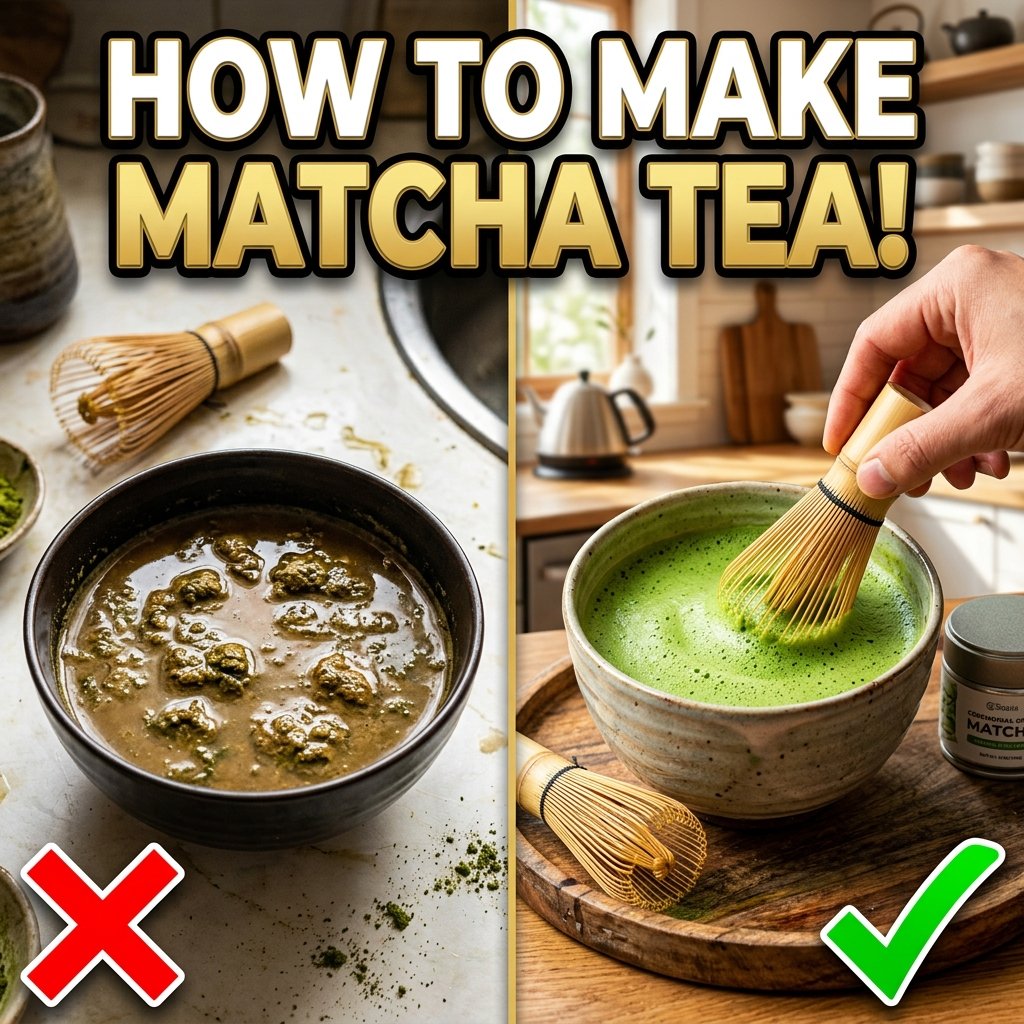
Take your bamboo whisk and gently mix the water and powder into a thick, dark green paste. Make sure you scrape the sides and bottom of the bowl. This paste step ensures every single speck of powder is hydrated before you add the rest of the liquid.
Finally, pour in the rest of your water. You usually want about two or three ounces in total for a traditional serving. Hold the bowl with one hand and whisk vigorously with the other.
Use your wrist, not your whole arm. Whisk in a fast “W” or “M” motion until a thick layer of tiny bubbles forms on the surface. That is it. You are done and ready to drink.
For more lifestyle integration and daily habits, I highly recommend checking out the resources at The Self-Care Online. Building a morning routine around a warm drink is a great foundation for a good day. It sets a positive tone that carries through all of your other tasks.
The biggest mistakes beginners make
I made a lot of terrible drinks when I first started out. I spent weeks reading articles on how to make matcha tea before I finally bought a bamboo whisk. Using a spoon to stir the powder simply does not work.
You will end up with a watery, disappointing mess that tastes like dirt. Invest the ten dollars in a bamboo whisk, and you will save yourself so much frustration. Another massive mistake is using low-quality powder.
If your powder looks dull, yellowish, or brown, throw it in the trash right now. Good powder should be bright, vivid green. It should smell sweet and grassy, not stale or fishy.
You truly get what you pay for in this category, so it is worth spending a few extra dollars for a brand you can trust. Using boiling water is probably the most common error. The temperature of your water matters a lot when you are figuring out how to make matcha tea.
If you do not have a temperature-controlled kettle, just boil your water and let it sit off the heat for about five minutes before pouring. This simple trick saves so many cups from becoming unpleasantly bitter and astringent. Finally, storing your powder incorrectly will ruin it in a matter of weeks.
Heat, light, and air are the enemies of freshness. Keep your tin in the refrigerator, and always make sure the lid is sealed tightly after every use. I prefer buying smaller tins so I can use them up before they lose their wonderful flavor and color.
Flavoring and sweetening your morning brew
If you are drinking high-quality, ceremonial grade powder, I strongly believe you should drink it plain. A good product has a natural sweetness and a rich, umami flavor that stands perfectly on its own. Adding sugar masks all of those complex notes.
But I know that some people really prefer a sweeter drink, and that is totally fine. You should enjoy your beverage however you like it. If you want to sweeten your bowl, use something liquid.
Honey, agave, or maple syrup dissolves much better than granulated sugar. Add your sweetener to the thick paste before you add the rest of the water. This ensures it mixes completely and does not just sink to the bottom in a sticky puddle.
It creates a much more uniform flavor throughout. For a latte, you can swap the hot water for steamed milk. Oat milk is my absolute favorite pairing because its natural sweetness complements the earthy flavors so well.
Almond milk tends to separate, and dairy milk can sometimes overpower the delicate tea notes. Just froth your milk separately and pour it over your prepared green paste for a creamy treat. You can also experiment with a tiny drop of vanilla extract or a dash of cinnamon.
Just keep it simple and do not overdo it. Once you master how to make matcha tea, you will never want to pay five dollars for a cafe version again. Making it yourself gives you total control over the flavor profile and saves you a ton of cash.
Health perks of this green drink
We already talked a bit about the energy boost, but there is a lot more going on in that green bowl. Because you are consuming the entire tea leaf, not just steeped water, you get a massive dose of nutrients with every sip. It is a fantastic addition to a healthy lifestyle, providing benefits you just cannot get from regular steeped tea bags.
The antioxidants are the real stars here. Specifically, a type of antioxidant called EGCG is abundant in this powder. According to WebMD’s analysis of matcha, these compounds help protect your cells from damage and may reduce inflammation in the body.
I definitely notice my skin looks clearer and I feel less sluggish when I drink it regularly over a period of time. It is also surprisingly good for your focus. The combination of caffeine and L-theanine creates a brain state that feels very sharp but completely relaxed.
I always drink a bowl before a long writing session or a complicated project. It helps me zone in on my work without feeling anxious, jittery, or distracted by every little thing. Just remember that it still contains caffeine, so you need to be mindful of your intake.
If you are sensitive to caffeine, you should probably avoid drinking it late in the afternoon or evening. I have a strict cut-off time of two in the afternoon. Otherwise, I end up staring at the ceiling all night wishing I had stuck to herbal tea.
My honest opinion on ceremonial vs culinary grades
You will see two main types of powder when you go shopping: ceremonial grade and culinary grade. This classification confuses almost everyone who is new to this world. Ceremonial grade is made from the youngest, most tender leaves at the top of the plant.
The stems and veins are removed before grinding. This meticulous process makes it naturally sweeter, smoother, and much more pleasant to drink straight. Culinary grade is made from leaves further down the plant, which are older and tougher.
It has a stronger, more robust flavor that is meant to stand up to other ingredients like flour, sugar, and butter in baking recipes. It is often a bit more bitter, more astringent, and not as bright green as the higher quality versions. If you are going to drink it straight with just water, you absolutely must buy ceremonial grade.
Yes, it is more expensive, but it is the only way to get a pleasant drink that you actually want to consume. If you try to whisk up culinary grade with water, you will hate it, and you will probably never want to try this drink again.
If you are making heavily sweetened lattes, blending smoothies, or baking cookies, culinary grade is perfectly fine. The milk, sugar, and other strong flavors will easily balance out the natural bitterness of the lower grade powder. Just be honest with yourself about how you plan to use it before you spend your hard-earned money on a tin.
Read also:
Read also: Self-care tips you need to try
Why how to make matcha tea is worth your attention
More people are discovering how to make matcha tea every day, and for good reason. The results speak for themselves when you approach how to make matcha tea with the right information. Whether you are brand new to how to make matcha tea or have been exploring it for a while, there is always something useful to learn. Taking a consistent approach to how to make matcha tea over time is what separates people who see results from those who give up too early.
The most important thing about how to make matcha tea is that it does not have to be complicated. A few good habits, applied consistently, will take you further than an elaborate routine you cannot stick to.
Mastering how to make matcha tea Today
Success with how to make matcha tea comes down to avoiding common mistakes that many beginners make. When you first start learning about how to make matcha tea, it is easy to get overwhelmed. However, if you keep things simple and focus on the basics of how to make matcha tea, you will see progress faster than you expect. Many people give up on how to make matcha tea too soon because they expect overnight results, but patience is key when working with how to make matcha tea.
Frequently asked questions
Does this tea have more caffeine than coffee?
Generally, a serving has less caffeine than a standard cup of coffee. A typical bowl contains about 70 milligrams of caffeine, while a cup of coffee has around 100 to 140 milligrams. The energy boost feels different due to the presence of L-theanine.
Can I make it without a bamboo whisk?
You can try using a milk frother or shaking it vigorously in a jar with a tight lid. However, these methods rarely produce the smooth, thick foam that a traditional bamboo whisk creates. The bamboo tines are specifically designed to suspend the fine powder in water.
Why does my drink taste so bitter?
The most common reasons for bitterness are using water that is too hot, using low-quality culinary powder, or using too much powder for the amount of water. Ensure your water is around 175 degrees Fahrenheit and that you are using a high-quality ceremonial grade product.
Do I have to sift the powder every time?
Yes, sifting is non-negotiable if you want a smooth texture. The powder clumps together easily due to moisture and static. If you skip sifting, those clumps will not break apart during whisking, and you will end up drinking chunks of dry powder.
How long does the powder stay fresh?
Once you open a tin, you should try to consume it within one to two months for the best flavor. Store it in the refrigerator in an airtight container to protect it from heat, light, and oxygen, which degrade the quality rapidly.
Can I drink it on an empty stomach?
Some people experience mild nausea if they drink it on a completely empty stomach, likely due to the tannins. If you have a sensitive stomach, it is best to drink it after eating a light snack or breakfast to avoid any discomfort.