
Living Room Layout with TV on a Different Wall: 7 Fixes

Figuring out a living room layout with tv on a different wall feels like breaking a major design rule. We are conditioned to think the television needs to be the absolute center of attention. You walk into a typical house and the couch faces the biggest screen possible. It is incredibly boring. I think we can do better than turning our gathering spaces into miniature movie theaters.
Most architects design living rooms with an obvious media wall. They put cable hookups right where they expect you to place your couch. You do not have to listen to them. Choosing to ignore that obvious setup opens up so many better possibilities for your home.
“Great interior styling isn’t about buying expensive furniture-it’s about creating spatial harmony and warm, intentional lighting.”
– Interior Design Insights
I have seen so many beautiful homes ruined by a massive black rectangle dominating the room. It just kills the mood when you want to host friends. By rethinking where the screen goes, you reclaim your space for actual living. You dictate how the room functions.
Breaking away from standard floor plans
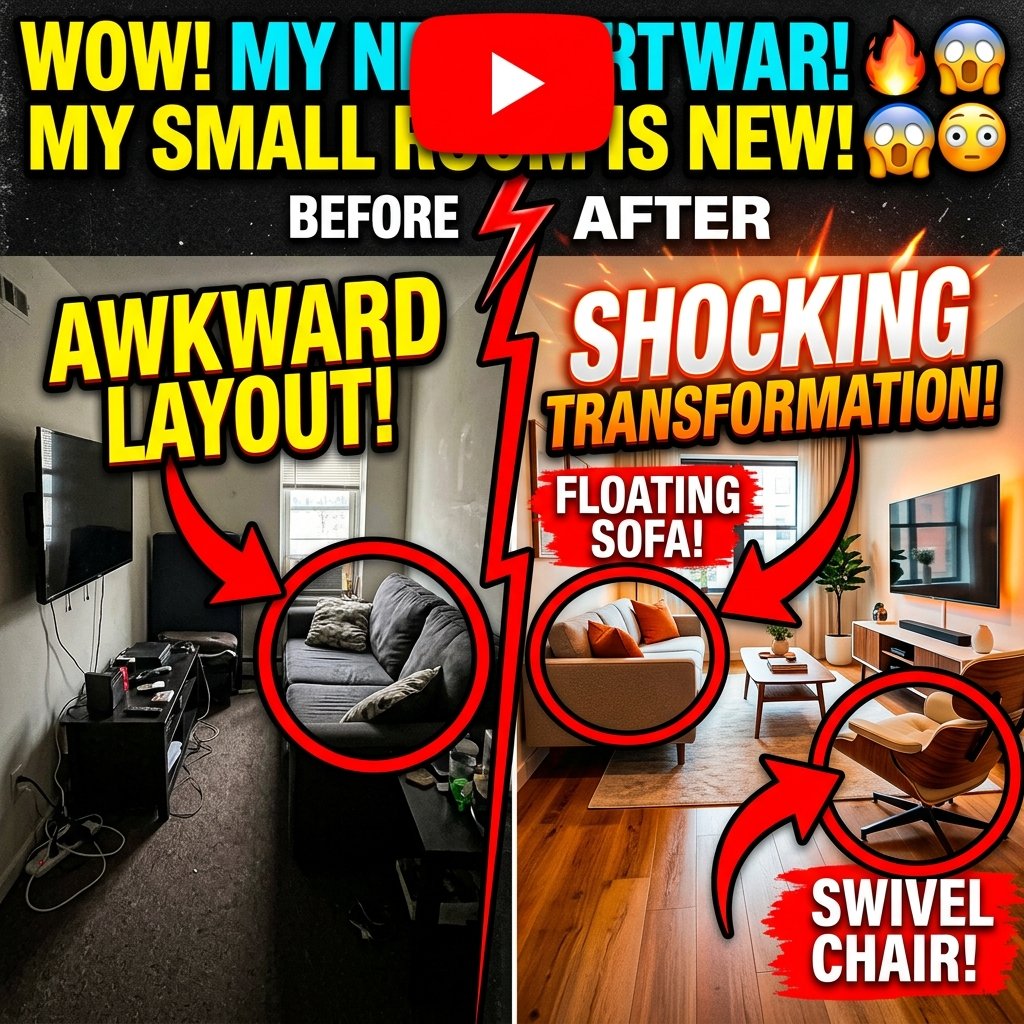
The standard floor plan dictates that your longest sofa must run parallel to the television. This creates a terrible bowling alley effect in rectangular rooms. All your furniture gets shoved against the edges. It leaves a massive, useless empty space in the middle of the floor.
“Your living space should tell the story of who you are, woven together with tactile textures and authentic personal accents.”
– Professional Decorator Principles
I absolutely hate the bowling alley layout. It makes talking to someone on the other side of the room feel like shouting across a canyon. Your living room should pull people together. It should not push them to the perimeter just to get a good viewing angle of the evening news.
When you ignore the expected media wall, you get to float your furniture. Pulling chairs and sofas away from the drywall immediately makes a room look professionally designed. It makes the room look larger too, which is a nice bonus.
Why you need a living room layout with tv on a different wall
This specific approach solves multiple design problems at once. First, it allows you to have more than one focal point. You can highlight a beautiful fireplace, a large window, or a bold piece of art. The screen becomes secondary.
It completely changes how people interact in the space. When the seating is not exclusively pointed at a screen, guests actually look at each other. They talk. It sounds incredibly basic, but you would be surprised how much a furniture arrangement dictates human behavior.
If you have a stunning architectural feature, do not compete with it. A television placed next to an ornate fireplace just looks messy. Put the screen somewhere else entirely. Let the architecture breathe and stand on its own.
Creating distinct zones
A smart living room layout with tv on a different wall naturally creates distinct zones within one larger room. You can have a dedicated spot for reading and chatting. Then, you can have a separate angle or secondary seating area for watching your favorite shows.
You do not need a massive house to pull this off. Even in smaller spaces, placing a comfortable armchair off to the side creates a reading nook. A loveseat angled toward the screen handles the entertainment. You just have to be willing to experiment with angles.
I highly recommend using area rugs to define these zones. A large textured rug anchors the main conversation space. It signals to anyone walking in that this is the primary gathering spot. The screen can sit quietly on a secondary rug nearby.
Managing natural light and annoying glare
We all know the frustration of trying to watch a movie when the sun is setting right into our eyes. Putting the television on the expected wall often leads to terrible glare. Builders do not always consider the path of the sun when they run coax cables.
By moving the screen, you gain control over the lighting. You can place the television on a wall that receives indirect light. This simple change drastically improves your viewing experience during the day. You will not have to keep the curtains drawn all afternoon.
Think about where the natural light hits at different times of day. A well executed living room layout with tv on a different wall often means tucking the screen into a darker corner. This is actually perfect for movie nights.
Balancing the visual weight
Televisions are heavy, dark objects. When turned off, they are basically black holes on your wall. If you put all your heavy furniture facing that black hole, the room feels off balance. One side of the room feels incredibly heavy while the other feels empty.
Moving the screen to a secondary wall helps distribute this visual weight. You can balance the dark rectangle with a large bookshelf or a heavy piece of art on the opposite side. This creates a sense of harmony that most living rooms desperately lack.
Do not be afraid to use a dark paint color to help the screen blend in. A deep navy or rich charcoal wall can make the television almost disappear when it is off. I suggest checking out Architectural Digest for some great examples of camouflaging screens.
Choosing the right furniture pieces
Standard sectional sofas can be tricky in these setups. A massive L shape might block the view or dictate the room flow too strictly. I strongly prefer using a standard sofa paired with swivel chairs.
Swivel chairs are the absolute best invention for multi purpose rooms. You can face the sofa for a conversation. When a movie starts, you simply spin the chair around. It is an elegant solution that prevents anyone from craning their neck.
Look for low profile furniture if you need to place seating between the main entrance and the screen. You do not want a bulky high back chair blocking the line of sight. Keep things airy and visually light.
Dealing with awkward room shapes
Sometimes you are forced to get creative because of a weird floor plan. Open concept homes are notorious for this. You might only have one solid wall in the entire room, and it is right next to the kitchen. This is when you have to break the rules.
If you lack wall space, consider a freestanding media console. You can place it perpendicular to a wall to act as a room divider. This creates a natural boundary between the living area and the dining area. It is unconventional, but it absolutely works.
Another option is mounting the screen on a swinging arm. You can tuck it flat against a narrow wall when not in use. When you want to watch something, you pull it out and angle it toward the seating area.
Hiding the wires and cables
The biggest fear people have when changing their layout is dealing with cords. It is completely valid. Trailing wires look sloppy and create major tripping hazards. But you should not let cord management dictate your entire room design.
You can run cables along the baseboards using paintable cord covers. It is a cheap fix that looks surprisingly professional. If you have an area rug, you can safely run flat speaker wires underneath it. Just be careful to tape them down so they do not bunch up.
If you own your home, hiring an electrician to move the outlets is absolutely worth the money. Having the power right where you need it makes any living room layout with tv on a different wall much easier to execute.
Making the fireplace the star
If you have a fireplace, it should almost always be the focal point. Mounting a screen above a beautiful mantel ruins the aesthetic entirely. It also forces you to look up at an uncomfortable angle. Chiropractors must love the trend of above mantel televisions.
I always suggest placing the screen on a wall adjacent to the fireplace. You can arrange the seating to face the fire, with the television off to the side. This way, you enjoy the warmth and ambiance without sacrificing your neck comfort.
You can use a beautiful piece of art above the mantel instead. It elevates the entire room instantly. When you separate the screen from the fire, you get the best of both worlds. The room feels sophisticated but remains highly functional.
Incorporating art and decor
A bare wall next to a television looks incredibly sad. When you move the screen away from the main focal point, you have to integrate it into the surrounding decor. A well planned gallery wall is an excellent way to do this.
Surround the screen with framed photos, paintings, and prints. The television just becomes one of many rectangles on the wall. It softens the harshness of the electronics. I recommend using matching black frames to tie everything together neatly.
You can also use shelving to distract from the screen. Built in bookcases or floating shelves add beautiful texture and interest. Fill them with books, plants, and interesting objects. The eye will naturally drift to the decor rather than the blank screen.
Why symmetry is not always necessary
People get obsessed with symmetry in interior design. They want everything perfectly balanced and mirrored. Trying a living room layout with tv on a different wall often forces an asymmetrical arrangement. This is actually a very good thing.
Asymmetry creates tension and interest. A room that is perfectly symmetrical can feel stiff and overly formal. An off center screen paired with an interesting chair or a tall plant feels much more relaxed and inviting. It feels lived in.
Do not stress if the sofa does not align perfectly with the media console. As long as the visual weight is balanced, the room will look fantastic. You have to trust your eye. If it feels comfortable to sit in, you have succeeded.
Testing your layout before committing
Moving heavy furniture is exhausting. Before you start dragging your sofa across the wood floors, test the layout. I use painters tape on the floor to mark where everything will go. It saves a ton of physical effort and frustration.
You can also use cardboard boxes to represent the television and the console. Leave them there for a few days. Walk around them. See how the traffic flow feels. You might realize the new spot blocks a pathway or feels entirely too cramped.
Give yourself permission to change your mind. Design is a fluid process. If a living room layout with tv on a different wall feels wrong after a week, move things back. But give it a fair chance first. It takes time to adjust to a new perspective.
Final thoughts on breaking the rules
Your home should serve your lifestyle, not the other way around. If the standard setup makes your living room feel like a waiting room, change it immediately. Stop worrying about what is expected or normal. The best rooms always have a bit of unexpected flair.
By moving the screen, you prioritize human connection. You create a space where people actually want to hang out and talk. That is the true purpose of a living room anyway. The television is just an optional bonus.
I hope this inspires you to rethink your own space. Check out The Spruce for even more examples of unconventional room designs. Sometimes all it takes is a fresh angle to make an old room feel brand new.
Why living room layout with tv on a different wall is worth your attention
More people are discovering living room layout with tv on a different wall every day, and for good reason. The results speak for themselves when you approach living room layout with tv on a different wall with the right information. Whether you are brand new to living room layout with tv on a different wall or have been exploring it for a while, there is always something useful to learn. Taking a consistent approach to living room layout with tv on a different wall over time is what separates people who see results from those who give up too early.
The most important thing about living room layout with tv on a different wall is that it does not have to be complicated. A few good habits, applied consistently, will take you further than an elaborate routine you cannot stick to.
Mastering living room layout with tv on a different wall Today
Success with living room layout with tv on a different wall comes down to avoiding common mistakes that many beginners make. When you first start learning about living room layout with tv on a different wall, it is easy to get overwhelmed. However, if you keep things simple and focus on the basics of living room layout with tv on a different wall, you will see progress faster than you expect. Many people give up on living room layout with tv on a different wall too soon because they expect overnight results, but patience is key when working with living room layout with tv on a different wall.
Frequently Asked Questions
Many people wonder if shifting their media setup will ruin the flow of their home. It is a completely common concern. However, separating your entertainment zone from your conversation zone often improves the overall feel of the house. It just requires a bit of careful planning.
You have to consider the primary function of your space. If you host parties frequently, prioritizing face to face seating is absolutely crucial. A smart living room layout with tv on a different wall supports this perfectly. Guests will naturally gather and mingle without a screen distracting them.
Do not be afraid to experiment with your furniture. The worst that happens is you have to slide the sofa back to its original spot. The best case scenario is that you discover a completely new way to enjoy your home. Take the risk and see how it feels.
If you need help visualizing the space, try drawing it out on graph paper first. Or explore budget living room makeovers to see how others have solved similar layout challenges. Getting visual inspiration always makes the process much less intimidating.
At the end of the day, physical comfort is key. Make sure wherever you place the screen, you can watch it without straining your neck or squinting through harsh glare. Form should always follow function in good interior design.
Read also:
- Explore more home decor ideas for your daily life