
Korean Skincare for Acne: The Ultimate Clear Skin Guide
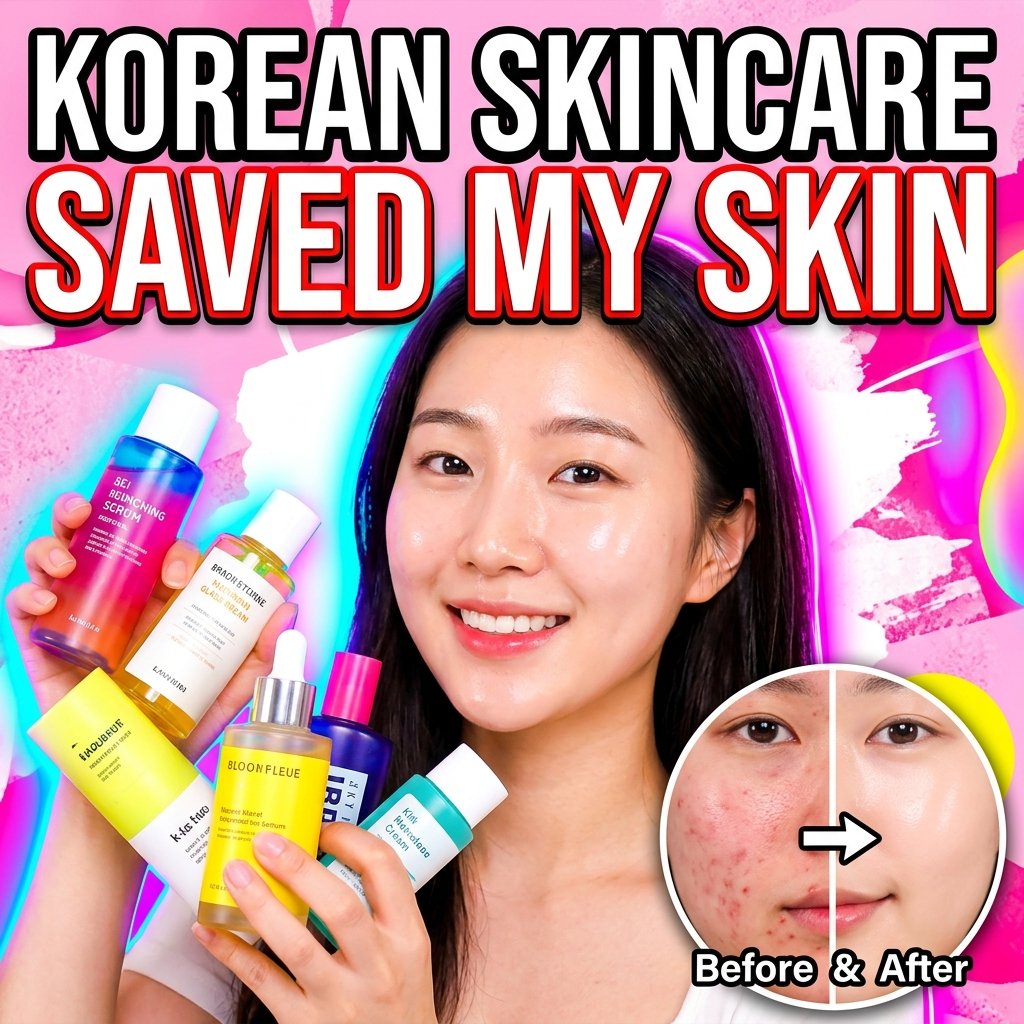
Finding the right korean skincare for acne can feel like a full time job. You spend hours reading reviews and buying products that promise clear skin but only deliver more breakouts. I have been there too. The frustration is real when nothing seems to work for your skin type. But the approach used in South Korea focuses on gentle hydration and barrier repair rather than harsh stripping ingredients. This gentle method is exactly what troubled skin needs to heal and thrive. I want to share the exact steps and product types that will help you calm redness and reduce breakouts without drying out your face.
Western treatments often rely on high percentages of benzoyl peroxide or salicylic acid. These ingredients work well for some but they can completely destroy your moisture barrier over time. When your barrier is compromised, your face produces more oil to compensate. This excess oil leads to more clogged pores and more breakouts. It becomes a vicious cycle that is hard to break. The approach flips this concept upside down. Instead of attacking the pimple, you nurture the skin so it can heal itself. You focus on reducing inflammation and keeping hydration levels high.
“Consistency and gentle barrier care are far more effective in skincare and beauty routines than aggressive quick-fix treatments.”
– Dermatological & Beauty Care Insights
Water and hydration are the main focus of this routine. When your face has enough water, it functions properly. The cell turnover rate normalizes and dead cells shed off naturally instead of getting stuck in your pores. This prevents the initial clogged pore that eventually becomes a pimple. I remember when I stopped using drying washes and switched to a gentle hydrating routine. My face became less red within a week. The angry inflamed cysts slowly started to shrink because my barrier was finally calm. You do not need to burn your face off to get clear skin.
Why korean skincare for acne works so well
The main reason this method is so effective comes down to ingredient formulation. Products are formulated with calming ingredients like centella asiatica, snail mucin, and green tea. Centella asiatica, also known as cica, is a powerhouse for wound healing. It speeds up the recovery time of picked pimples and reduces the redness associated with active breakouts. Snail mucin provides intense hydration without any greasiness. It also helps fade the dark spots left behind after a breakout heals. Green tea acts as a powerful antioxidant that regulates sebum production.
“Self-care isn’t a luxury; it’s a foundational daily ritual that restores mental balance and physical vitality.”
– Wellness & Beauty Philosophy
Another factor is the layering technique. Instead of relying on one thick cream, you apply multiple thin layers of hydration. You start with a watery toner, follow with a slightly thicker essence, and lock it in with a lightweight moisturizer. This method pushes water deep into the layers. Dehydrated faces often look oily on the surface but feel tight underneath. By fixing the dehydration with thin layers, you stop overproducing oil. Less oil means fewer clogged pores and fewer breakouts. It is a simple but incredibly effective strategy.
Step one: Double cleansing for clear pores
You cannot talk about korean skincare for acne without mentioning the double cleanse. It is the foundation of clear skin. The first step involves an oil cleanser or a cleansing balm. You massage this onto a dry face for about sixty seconds. The oil dissolves makeup, sunscreen, and the hardened sebum trapped in your pores. Oil attracts oil, so it pulls the impurities out gently. You do not need to scrub or be rough. Just let the oil do the work. Rinse it off with lukewarm water.
The second step is a water based cleanser. This removes any remaining residue and cleanses the actual face. You want to use a low pH cleanser for this step. A high pH cleanser will strip your barrier and leave it feeling squeaky clean. Squeaky clean means damaged. Your cleanser should leave your face feeling soft and balanced. If your face feels tight after washing, you need to throw that product away. A gentle foam or gel is perfect for this second step.
I suggest doing the double cleanse only at night. In the morning, you can just wash with water or use a very mild gel. Over washing can lead to irritation. Listen to your body. If you wake up feeling very oily, a gentle morning wash is fine. But if you lean on the drier side, a splash of water is plenty. Consistency with your nighttime double cleanse will yield the best results for your pores.
Step two: Exfoliation without irritation
If you want to maximize korean skincare for acne, you must incorporate chemical exfoliants. Exfoliation is necessary for breakout prone faces but you must be careful. Physical scrubs with walnut shells or apricot seeds cause micro tears. These tears harbor bacteria and lead to more breakouts. Chemical exfoliants are a much better choice. You will often see AHA, BHA, and PHA in these products. BHA, or salicylic acid, is oil soluble. It penetrates deep into the pore to dissolve the gunk inside. This makes it the best acid for blackheads and active breakouts.
AHA, like glycolic or lactic acid, works on the surface. It melts away the glue holding dead cells together. This helps smooth texture and fade post breakout marks. PHA is the gentlest of the three. It has a larger molecule size so it does not penetrate as deeply. This makes it perfect for very sensitive types. Many products combine these acids in very low percentages. This allows for daily gentle exfoliation rather than a harsh weekly peel. It keeps the pores clear consistently.
If you are new to chemical exfoliants, start slow. Use them only two or three times a week. Watch how your face reacts. Redness or stinging means you are doing too much. Always apply them on a dry face after cleansing. Wait a few minutes before moving on to your next step. This gives the acid time to work at its optimal pH level. You can learn more about chemical exfoliants on Healthline.
Step three: Hydrating toners and essences
Hydrating toners form the backbone of korean skincare for acne by providing liquid hydration. Western toners are traditionally astringents loaded with alcohol. They are designed to dry out the face and remove leftover dirt. Hydrating toners are completely different. You apply them to a damp face right after cleansing. They prep the surface to better absorb the rest of your products. Think of your face like a dry sponge. A dry sponge repels water. A damp sponge absorbs water instantly. The toner makes your face act like a damp sponge.
You can apply multiple layers of toner if you feel extra dehydrated. This is sometimes called the seven skin method. You pat in a layer, wait for it to absorb, and repeat up to seven times. It sounds excessive but the results are amazing. Your face will look plump and glowing. This extreme hydration helps calm down inflamed spots very quickly. I usually stick to three layers because that is what works best for me.
Essences are similar to toners but slightly thicker. They usually contain fermented ingredients like galactomyces. Ferments are great for brightening and improving overall texture. However, some people experience fungal breakouts from ferments. If you notice tiny itchy bumps after using an essence, stop using it immediately. Otherwise, an essence is a fantastic addition to boost hydration and radiance. Just pat it in gently with your hands.
Step four: Targeted serums and ampoules
This is where you treat your specific concerns. Serums and ampoules have high concentrations of active ingredients. For breakouts, look for a few key ingredients:
- Niacinamide regulates sebum production and fades hyperpigmentation.
- Propolis is naturally antibacterial and highly anti-inflammatory.
- Tea tree oil is a well known breakout fighter that kills bad bacteria.
Niacinamide is a superstar ingredient. A five percent concentration is plenty to see results without irritation. Propolis helps heal active breakouts fast. Tea tree oil should never be used pure, so look for serums formulated with a safe percentage of tea tree extract. You only need a few drops of any serum. Apply it over your whole face or just on the areas where you break out the most.
Do not mix too many active ingredients at once. If you are using a BHA liquid, you might want to skip a strong vitamin C serum in the same routine. Overloading your face will trigger inflammation. Stick to one or two targeted treatments per routine. Consistency is better than throwing every ingredient at your face. Patience is required when healing breakouts. It takes time for the cycle to renew itself. Give a product at least a month before deciding if it works.
Step five: Moisturizers to lock it all in
Many people with oily faces skip moisturizer. They think it will make them break out more. This is a massive mistake. Your face needs a barrier to keep water in and bacteria out. If you skip moisturizer, all the hydrating layers you just applied will evaporate into the air. Your face will dry out and produce more oil. You just need to find the right texture. Avoid thick heavy creams with shea butter or mineral oil. These can clog pores.
Look for gel creams or water based lotions. These sink in quickly and leave no sticky residue. Ingredients like ceramide and hyaluronic acid are excellent for repairing the barrier. Ceramides are the glue that holds your cells together. When your barrier is strong, bacteria cannot penetrate as easily. A good gel cream will leave your face feeling fresh and balanced all day long. You can find more tips on dealing with breakouts at WebMD.
A solid routine using korean skincare for acne pairs beautifully with prescription treatments. If you use treatments from a dermatologist, a good moisturizer is even more critical. Prescription creams are notoriously drying. The hydrating steps counteract the peeling and redness caused by strong medications. You apply your medication, wait for it to dry, and then layer your hydrating products on top. This makes the treatment much more tolerable.
Step six: Sun protection is non negotiable
Sunscreen is the most important step in any routine. UV rays damage the barrier and cause inflammation. Inflammation makes breakouts worse. Furthermore, UV exposure darkens the scars left behind. If you do not use sunscreen, those red marks will turn brown and stay for months. You must protect your face every single day, even when it is cloudy. Sunscreen has a bad reputation for being greasy and causing breakouts.
Asian sunscreens completely change the game. They are formulated with advanced UV filters that are lighter and more elegant than older filters. They feel like a lightweight lotion rather than a thick paste. They absorb quickly and do not leave a white cast. This makes reapplying throughout the day much easier. Find a sunscreen that you actually enjoy wearing. If you hate how it feels, you will not use it consistently.
At the end of the day, you must double cleanse to remove the sunscreen properly. Regular wash will not break down the water resistant filters. This is why the oil cleanser is so important. By building a routine with these gentle products, you support your barrier health. Your breakouts will improve because your face is functioning correctly. Check out more resources on our homepage at The Self Care Online for additional tips.
Spot treatments and pimple patches
Sometimes a huge pimple appears despite your best efforts. You need a fast solution that does not cause further damage. Pimple patches are lifesavers. They are small hydrocolloid bandages that you place over a whitehead. The material absorbs the fluid inside the pimple overnight. By the morning, the pimple is flat and significantly less inflamed. More importantly, the patch prevents you from picking at the spot. Picking spreads bacteria and causes permanent scarring.
You should apply a patch on a clean dry face before you put on any toners or serums. If the surface is slippery, the patch will not stick properly. Just wash, dry, apply the patch, and then do the rest of your routine around it. There are also patches with micro darts. These contain tiny dissolving needles made of salicylic acid and tea tree. They are designed for deep cystic breakouts that have not come to a head yet. They deliver ingredients directly into the bump to shrink it down.
Liquid spot treatments often contain pink calamine powder and alcohol. You dip a cotton swab into the powder and apply it to the pimple. The alcohol dries out the spot while the calamine soothes it. These work well for surface level whiteheads. However, they can be very drying. I prefer patches because they keep the area moist and protected while it heals. Moist wound healing is proven to prevent scars much better than drying out a wound.
Patience and consistency with your routine
You will not see results overnight. The surface takes roughly twenty eight days to renew itself completely. You must give any new routine at least a month to show progress. During the first few weeks, you might experience purging. Purging happens when active ingredients speed up the cell turnover rate. Micro comedones that were hiding deep in your pores come to the surface faster. This looks like a sudden breakout, but it is actually clearing itself out. Stick with it.
If you keep switching products every week, your face will remain confused and irritated. Build a simple routine first. Find a cleanser, moisturizer, and sunscreen that do not break you out. Once you have that baseline, you can start adding targeted treatments one at a time. This way, if a new product causes a bad reaction, you know exactly which one is the culprit. Taking it slow is the secret to success with korean skincare for acne.
Do not expect perfection. Everyone gets a pimple now and then. Hormones, stress, and diet play massive roles. Your routine cannot fix internal hormonal imbalances. But a good routine will help those breakouts heal faster and leave less of a mark. It gives your barrier the strength it needs to fight off bacteria. Focus on the overall health of your barrier rather than obsessing over a single spot. The clear results will follow.
Read also:
Read also: Self-care tips you need to try
Frequently asked questions
Can I use this routine if I have cystic breakouts?
Yes, this hydrating approach works exceptionally well for cystic breakouts. Cystic breakouts are deeply inflammatory. Stripping products will only make the inflammation worse. By focusing on calming ingredients and barrier repair, you reduce the overall redness and swelling. However, severe cystic breakouts often require a dermatologist for internal treatment. Use this routine alongside professional advice.
Do I really need to double cleanse every day?
You should double cleanse every evening if you wear sunscreen or makeup. Water based cleansers cannot break down the oils and UV filters properly. If you do not wear makeup or sunscreen and you stay indoors all day, you might get away with a single cleanse. But an oil cleanser is the best way to keep pores clear of daily sebum buildup.
How long does it take to see results?
You will likely notice that your face feels softer and less irritated within a week. However, a significant reduction in breakouts will take at least four to six weeks. The surface needs time to cycle through its natural renewal process. Consistency is more important than using strong products sporadically. Stick to your routine daily.
Are snail mucin products safe for breakouts?
Snail mucin is fantastic for breakout prone faces. It is extremely lightweight, non comedogenic, and deeply hydrating. It contains natural properties that aid in wound healing and tissue repair. This helps active breakouts heal faster and reduces the severity of post breakout hyperpigmentation. It is a staple ingredient for a reason.
Can I skip moisturizer if my face is very oily?
Absolutely not. Skipping moisturizer is a big mistake for oily faces. When you deprive your surface of moisture, it overcompensates by producing even more oil. This leads to more clogged pores. You just need to choose a lightweight gel or water cream that absorbs quickly without leaving a heavy film on your face.
What should I do if a product stings my face?
If a product stings or burns, wash it off immediately. Skincare should never hurt. Stinging is a sign of a damaged barrier or an allergic reaction. Stop using all active ingredients and focus only on a gentle cleanser, a basic moisturizer, and sunscreen until your face feels normal again. Then introduce products back slowly.

One Comment