Best Korean Cleanser for Glass Skin: The Essential Guide
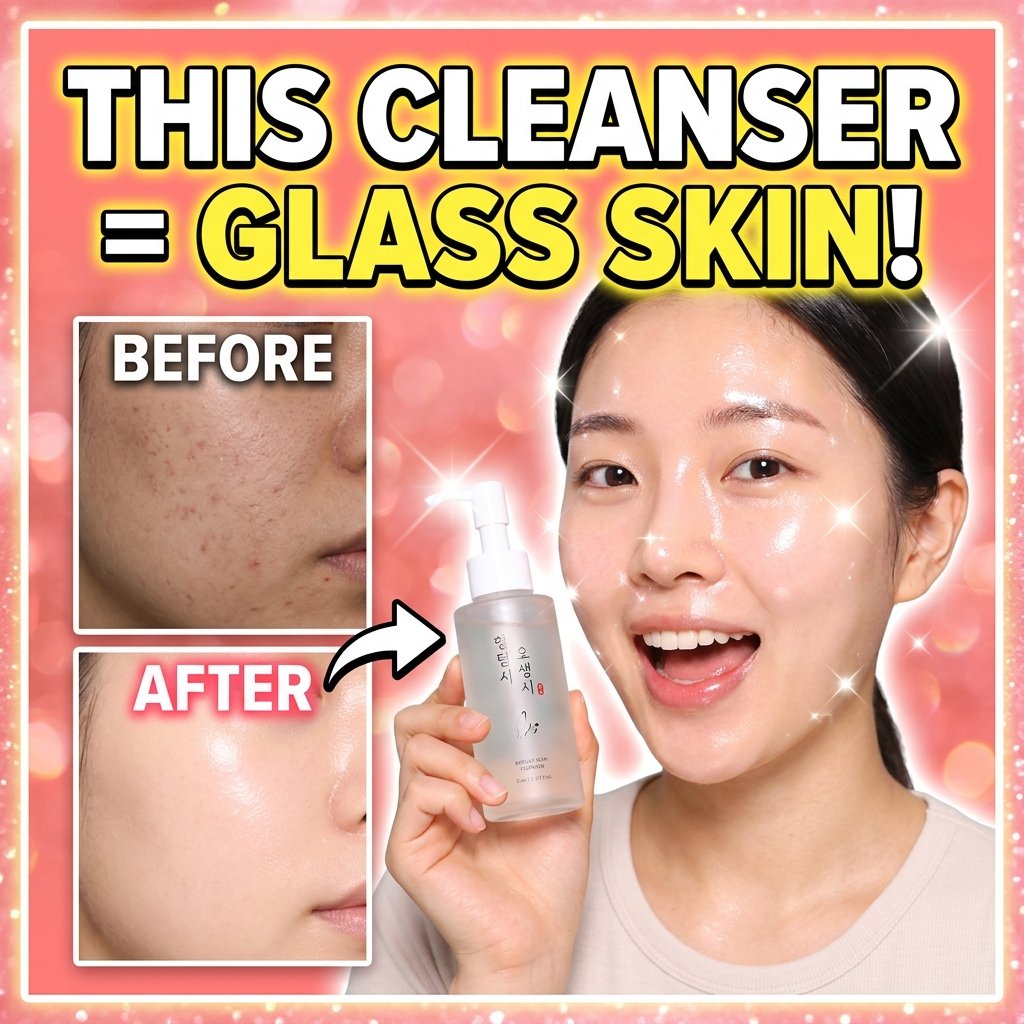
Everyone wants that flawless, luminous look, but finding the right korean cleanser for glass skin is the foundation of the entire routine. You cannot achieve that level of hydration and clarity if you are washing your face with harsh soaps that strip your moisture barrier. The Korean skincare philosophy is all about respect for the skin. You want to gently remove impurities while adding hydration back into the epidermis. I see so many people spending hundreds of dollars on expensive serums and moisturizers, only to wash them off with a low-quality face wash that undoes all their hard work.
Your cleansing step sets the tone for everything else you apply afterward. If your face feels tight and squeaky clean after you wash it, you are doing it wrong. A proper routine starts with a gentle approach. I have spent years testing different products, and the difference a high-quality formulation makes is massive. You can read more about building your routine on our homepage at theselfcare.online where we cover all things beauty and wellness. A good start changes the entire outcome of your daily regimen.
“Consistency and gentle barrier care are far more effective in skincare and beauty routines than aggressive quick-fix treatments.”
– Dermatological & Beauty Care Insights
The goal is to maintain a healthy pH balance at all times. Most traditional cleansers in the drugstore are highly alkaline, which disrupts your acid mantle and leads to severe breakouts or excessive dryness. Korean formulations typically sit closer to the natural pH of human skin, which is around 5.5. This slight acidity keeps acne-causing bacteria at bay and helps your skin retain water. That is why so many people see a massive improvement simply by switching their daily face wash.
Why you need a korean cleanser for glass skin
Achieving a luminous complexion is not about packing on heavy makeup or temporary highlighter. It is about reaching a state of optimal internal hydration where your skin naturally reflects light. When you use a korean cleanser for glass skin, you are prioritizing ingredients that protect the barrier rather than destroying it. Western products often rely on strong surfactants like sodium lauryl sulfate. These harsh ingredients create a lot of fluffy foam but they also strip away the natural lipids and oils your face actually needs to stay healthy.
“Self-care isn’t a luxury; it’s a foundational daily ritual that restores mental balance and physical vitality.”
– Wellness & Beauty Philosophy
The beauty industry in South Korea takes a completely different path. The focus is always on long-term nourishment over quick, aggressive fixes. They use milder cleansing agents derived from coconuts or amino acids. This means you can wash away thick sunscreen, daily pollution, and makeup without leaving your face red or irritated. It is a much more sustainable way to care for your skin over the long term, avoiding the cycle of damage and repair.
Another big factor is the innovative texture of these products. You will find solid balms, lightweight oils, bouncy milk gels, and low-pH foaming washes. Each unique texture serves a specific purpose in the famous double cleansing method. If you wear water-resistant SPF or heavy makeup, you absolutely need to start with an oil-based product. Water alone simply cannot break down those stubborn cosmetic formulas, no matter how hard you scrub.
Understanding the Korean skincare philosophy
To truly get the best results, you have to understand the mindset behind these routines. It is fundamentally about prevention rather than reaction. Instead of waiting for a massive breakout to occur and then treating it with strong acids, the goal is to keep the skin so healthy and balanced that the breakout never happens in the first place. Gentle cleansing is the most important part of this preventative approach.
Skin requires a delicate balance of oil and water to function correctly. If you remove all the oil, your skin loses its ability to hold onto water, leading to trans-epidermal water loss. This is why people with oily skin often suffer from dehydration at the same time. The products are formulated to preserve that balance, ensuring that every step of the routine adds value rather than taking something away.
It is also a ritual of self-care. Taking the time to properly massage a balm into your skin at the end of a long day reduces stress. Stress is a known trigger for acne and premature aging. By turning your washing routine into a calming ritual, you are helping your skin on a physiological level as well.
The science behind double cleansing
You have probably heard about double cleansing all over social media, but you might not fully understand why it works so well. The concept is based on simple chemistry. Oil attracts oil, and water attracts water. Your skin produces sebum throughout the day, and you likely apply products containing oil-based ingredients. A standard water-based wash simply cannot dissolve these substances effectively. You need an oil cleanser to break them down first.
Once the oil wash has melted away the makeup, dirt, and hardened sebum, you rinse it off completely. Then you follow up immediately with a water-based wash to clean the actual skin. This two-step process ensures absolutely nothing is left behind in your pores. According to a medically reviewed article on Healthline, double cleansing is particularly beneficial for people who wear heavy makeup or live in highly polluted cities. It prevents clogged pores and allows your subsequent skincare products to penetrate much deeper into the epidermis.
Some people worry that using oil on their face will cause acne. That is a common misconception that holds many people back. Plant-based cleansing oils actually help dissolve the hardened sebum that forms blackheads and whiteheads. As long as you follow up with a good water-based wash, you will not be left with any greasy residue. It is an absolute game changer for heavily congested pores and textured skin.
Top ingredients to look for
Hyaluronic Acid and Glycerin
Hydration starts directly at the sink, not just when you apply your moisturizer. You want strong humectants in your face wash to draw moisture into the skin while you clean it. Glycerin is one of the most effective and affordable humectants available today. It works beautifully to prevent that tight, uncomfortable feeling. Hyaluronic acid holds up to a thousand times its weight in water, making it another fantastic addition to any wash.
These ingredients ensure that your skin remains plump, bouncy, and happy. When you invest in a korean cleanser for glass skin, you will almost always find these specific humectants high up on the ingredient list. They buffer the cleansing agents so your skin barrier stays completely intact. This is exactly what you need to achieve that highly sought-after dewy look.
Centella Asiatica (Cica)
If you have sensitive or acne-prone skin, Centella Asiatica is your absolute best friend. This incredible plant extract is famous globally for its soothing properties. It helps calm angry inflammation and reduces facial redness almost instantly. Many formulations use Cica as a base instead of plain water to provide maximum healing benefits during the wash step.
I always recommend Cica products for people dealing with active, painful breakouts. It does not sting or irritate broken skin like harsh acne washes do. Instead, it supports the natural healing process while you wash away daily impurities. It is a very gentle but highly effective botanical ingredient that changes the health of your skin.
Green Tea and Rice Water
Green tea is packed with powerful antioxidants that protect the skin from environmental damage and free radicals. It also has a natural astringent quality that helps regulate oil production without being overly drying. This makes it perfect for combination or oily types who want to control excess shine but still look glowing and healthy.
Rice water is a traditional beauty method that has been used for centuries to brighten the complexion naturally. It contains vitamins and minerals that soften the skin and help fade stubborn dark spots over time. A rice-based wash will leave your face feeling incredibly soft and looking very bright immediately after you pat it dry.
Snail Mucin
It sounds strange at first, but snail mucin is incredibly popular for good reason. It is full of glycoproteins, hyaluronic acid, and glycolic acid. These naturally occurring compounds promote collagen production and help heal damaged tissue. Using a face wash with snail mucin gives you a head start on repairing acne scars.
The texture can be a bit stringy, but it lathers up beautifully with water. It provides a protective slip that reduces friction when you massage your face. This means less physical irritation for your skin while you clean it.
Choosing the right formula for your skin type
Dry Skin
If your face constantly feels like a dry desert, you need to avoid high-foaming washes completely. Look for rich milk cleansers or hydrating gel formulas instead. These do not lather much, but they clean effectively without stripping away anything vital. You want a product rich in ceramides and fatty acids to help rebuild your compromised moisture barrier.
Do not be afraid to leave a slight film of moisture on your face after washing. That feeling is actually protective and beneficial. Towel dry gently by patting the skin, never aggressively rubbing it. Follow up immediately with a hydrating toner while your face is still slightly damp to lock in that water.
Oily and Acne-Prone Skin
You might be tempted to scrub your face with harsh salicylic acid washes, but that will only make things worse in the long run. When you strip away all your natural oils, your skin panics and produces even more oil to compensate. This leads to a vicious cycle of severe dehydration and even worse breakouts. You need to break that cycle with a gentle, balanced approach.
Look for a low-pH foaming gel containing tea tree or green tea extracts. These will clean your pores thoroughly without causing dehydration. You should also incorporate an oil wash into your evening routine. It sounds counterintuitive, but oil dissolves oil. It is the best way to safely get rid of blackheads and sebaceous filaments without picking at your skin.
Combination Skin
Dealing with an oily T-zone and dry cheeks can be incredibly frustrating. You have to find a solid middle ground. A gentle gel wash is usually the best option for this skin type. It provides enough cleansing power for the oily areas without completely drying out your sensitive cheeks. You can also adjust your routine based on the season.
During the humid summer months, you might prefer something with a little more lather to handle the sweat. In the dry winter months, switch to a creamier, more moisturizing formula. Listening to your skin is the most important part of any routine. It changes daily based on weather, diet, and internal stress levels.
Sensitive Skin
Less is always more when you have highly reactive skin. You need a formula with a very short ingredient list to minimize the risk of a reaction. Avoid anything with artificial fragrances, dyes, or strong essential oils. These are common triggers for contact dermatitis and allergic reactions. Stick to basic, fragrance-free options that focus on soothing ingredients like aloe vera or oat extract.
According to dermatological experts at WebMD, you should also pay close attention to the water temperature you use. Hot water is incredibly damaging to sensitive skin. It causes vasodilation and increased redness that lasts for hours. Always wash your face with lukewarm or cool water to keep inflammation down. When choosing a korean cleanser for glass skin, always patch test new products on your jawline before applying them all over your face.
How to wash your face the right way
The physical technique you use matters just as much as the product in the bottle. Always start with clean hands. You do not want to rub the bacteria from your fingers all over your face and into your pores. Dispense a dime-sized amount of your chosen wash into your palms and lather it up thoroughly with a little water before applying it to your skin.
Massage the product into your skin using gentle, upward circular motions for about sixty seconds. This is widely known as the sixty-second rule. It gives the active ingredients enough time to actually break down dirt, oil, and sunscreen. If you wash your face for only ten seconds, you are just moving the dirt around without actually removing it properly.
Pay special attention to the areas around your nose, hairline, and jawline. These are common spots where makeup and sweat accumulate and cause hidden breakouts. Rinse thoroughly with lukewarm water. Splash the water onto your face rather than aggressively rubbing it off with your hands. Finally, pat your face dry with a clean microfiber towel. Do not use the same towel you use for your body.
Common mistakes to avoid
Overwashing is the most common mistake I see people make. Unless you have extremely oily skin, you probably do not need to use a face wash in the morning. A simple splash of cool water is often enough to refresh your face before applying your morning serum and sunscreen. Saving your thorough wash for the evening helps protect your fragile skin barrier.
Another huge mistake is using physical scrubs on a daily basis. Products with crushed walnut shells or apricot kernels cause micro-tears in the skin. This leads to premature aging, broken capillaries, and increased sensitivity. If you want to exfoliate, use a gentle chemical exfoliant a few times a week instead. Chemical exfoliants dissolve dead skin cells without the harsh physical trauma.
Using makeup wipes is also terrible for your long-term skin health. They do not actually clean anything out of your pores. They just smear makeup and dirt across your face while leaving behind a film of irritating preservatives. Throw them away and invest in a good cleansing balm instead. Your skin will look vastly better within a single week of making the switch.
When will you see results?
Skincare requires patience and dedication. You will not get perfect results overnight, no matter what a product promises. However, changing your face wash can provide immediate relief if your current product is too drying. Your face should feel comfortable and soft immediately after washing. The true, lasting glow takes a little more time to develop as your barrier slowly heals.
Usually, it takes about one full skin cycle to see significant changes in texture and clarity. A standard skin cycle lasts roughly twenty-eight days for adults. Stick to your new routine for at least a month before deciding if a product works for you or not. Consistency is the main factor behind any korean cleanser for glass skin working properly. Stick with it, keep your routine simple, and focus on hydration above everything else.
Read also:
Read also: Self-care tips you need to try
Frequently asked questions
What is a glass skin routine?
A glass skin routine focuses on intense hydration and barrier health to create a clear, luminous, and seemingly transparent complexion. It involves multiple thin layers of hydrating toners, essences, and serums, rather than relying on heavy creams or temporary makeup highlighters to create a glow.
Do I have to double cleanse every day?
You only need to double cleanse in the evening if you wear makeup, water-resistant sunscreen, or work in a highly polluted environment. If you spend the whole day indoors without applying any products, a single gentle water-based wash in the evening is perfectly fine for most people.
Can oily skin types achieve this look?
Yes, absolutely. Oily skin can look luminous without looking greasy or unwashed. The key is to balance your oil production by providing adequate water-based hydration. When oily skin lacks water, it produces more oil. Hydrating properly will actually reduce your overall shine while giving you that healthy glow.
Why does my face feel tight after washing?
If your face feels tight or squeaky clean, your face wash is too harsh for your specific skin type. It has stripped away your natural lipids and compromised your moisture barrier. You should immediately switch to a low-pH, hydrating formula that leaves your skin feeling soft and comfortable instead.
How long should I wash my face?
You should massage your face wash into your skin for about sixty seconds. This allows the surfactants enough time to bind to dirt and oil effectively. Rushing the process means you will likely leave residue behind, which can easily lead to clogged pores and breakouts over time.
Is it okay to use a physical cleansing brush?
I do not recommend physical cleansing brushes for daily use on any skin type. They are often too abrasive and can cause micro-tears or exacerbate existing acne. Your hands are the best and most gentle tools for washing your face safely. If you need mild exfoliation, a soft silicone pad used once or twice a week is a much safer alternative.
Should I wash my face with hot water?
You should never wash your face with hot water. Hot water strips the skin of its natural oils and causes immediate vasodilation, which leads to redness and inflammation. Always use lukewarm or cool water to cleanse your face, as this protects the lipid barrier and keeps your skin calm.