Mat Pilates Class at Home: The Complete Beginner Guide
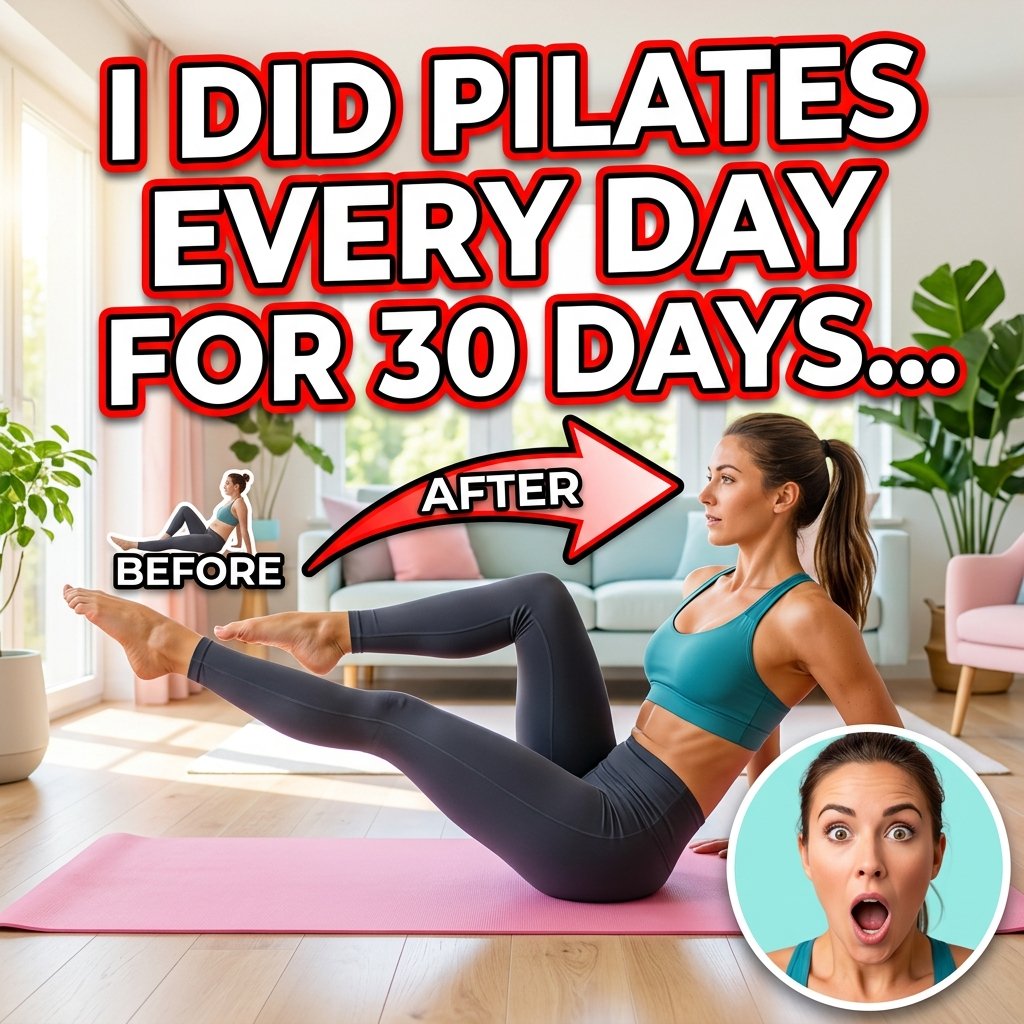
Taking your first mat pilates class from the comfort of your living room is a fantastic decision for your physical health. You do not need expensive equipment or a fancy studio membership to start building strength. All you really need is a supportive exercise mat, a little bit of floor space, and the willingness to learn new movement patterns.
Many people feel intimidated by the idea of starting a new fitness routine. The beauty of this method is that it meets you exactly where you are right now. The exercises adapt to your current fitness level and help you progress safely over time.
“Great interior styling isn’t about buying expensive furniture-it’s about creating spatial harmony and warm, intentional lighting.”
– Interior Design Insights
I remember rolling out my mat for the very first time and feeling completely lost. Once you understand the basic principles, the movements start to feel natural and deeply rewarding. Let me walk you through everything you need to know to build a successful home practice.
Why taking a mat pilates class is the perfect starting point
Studio sessions with large reformer machines look impressive, but they can overwhelm beginners. Working on the floor allows you to focus entirely on your body mechanics without worrying about springs and pulleys. You learn how to control your own body weight against gravity.
“Your living space should tell the story of who you are, woven together with tactile textures and authentic personal accents.”
– Professional Decorator Principles
Floor work builds a solid foundation of core strength that translates into better posture and less back pain. You develop a deep awareness of how your muscles work together during different types of movement. This body awareness protects you from injury in other physical activities.
According to experts at reputable medical sites, regular practice improves flexibility and muscular endurance. You can read more about the many health benefits of this exercise method on Healthline if you want the medical perspective. The physical changes happen slowly but they last a long time.
Building core strength without the strain
Traditional abdominal exercises often put unnecessary pressure on your neck and lower back. This method targets the deep stabilizing muscles of your torso rather than just the superficial abdominal muscles. You engage your transverse abdominis, which acts like an internal corset for your spine.
Strong core muscles do much more than look good in a swimsuit. They support your spine during daily activities like lifting heavy groceries or sitting at a desk for hours. You will notice that you stand taller and experience less fatigue by the end of the day.
The movements require you to stabilize your pelvis while moving your arms and legs. This constant challenge to your stability forces your core to work continuously throughout the entire session. You get a highly efficient workout in a relatively short amount of time.
Improving flexibility on your own terms
Most of us spend way too much time hunched over keyboards and staring at our phones. This constant forward flexion tightens the chest and weakens the muscles of the upper back. The exercises we will cover counteract this modern posture problem by opening up the front of the body.
You do not force your body into painful stretches. Instead, you move through your active range of motion, gently encouraging your muscles to lengthen and release tension. The flexibility you gain feels functional rather than extreme.
Dynamic stretching forms the core of many routines. You elongate your muscles while they are actively working, which improves your overall mobility and joint health. This approach reduces stiffness and makes everyday movements feel much easier.
Setting up your home practice space
When you prepare for a mat pilates class at home, your environment matters. You want a space that feels calm and free from immediate distractions like a messy kitchen or a loud television. Find a corner of your living room or bedroom where you have enough space to extend your arms and legs fully.
Your mat is the only real investment you need to make right now. Choose a thick, dense mat designed specifically for this type of exercise rather than a thin yoga mat. The extra cushioning protects your spine and joints during rolling movements.
Lighting and temperature also play a role in your comfort. Natural light works best if you practice during the day, but a soft lamp creates a relaxing atmosphere for evening sessions. Make sure the room is warm enough so your muscles do not feel stiff before you even begin.
What to wear and what you actually need
Comfortable clothing that allows you to move freely is the most important consideration. You want form-fitting clothes so you can easily see your body alignment and posture. Baggy shirts tend to get in the way or fall over your face when you lie on your back.
Here are the few items that actually help your practice:
- A thick exercise mat for spine protection.
- Form-fitting clothes so you can check your alignment.
- Grip socks if your feet tend to slip on the floor.
- A small towel to support your neck if needed.
You do not need shoes for these workouts. Practicing barefoot allows you to articulate your feet and ankles properly during the exercises. Keep a water bottle nearby so you stay hydrated during your workout.
If you are looking for more ways to improve your daily routines, I highly recommend checking out the resources on our homepage for additional wellness inspiration. Small lifestyle changes compound into major results over time.
Fundamental principles you need to know
Joseph Pilates originally called his method Contrology because it requires complete control over your body. You cannot just go through the motions and expect to see results. The mental focus you bring to the workout matters just as much as the physical effort.
Every exercise relies on a set of core principles that guide your movement. Learning these concepts first makes the actual exercises much more effective. Take your time internalizing these ideas before you worry about doing advanced movements.
Breathing properly
Breathing is the most important element of the entire practice. You want to breathe wide into your lower ribs rather than letting your belly expand completely. This lateral breathing technique keeps your deep abdominal muscles engaged while you take in oxygen.
You generally exhale during the most challenging part of the exercise to engage your core deeply. Inhaling prepares you for the movement and helps you lengthen your spine. The breath sets the rhythm for your entire workout and keeps you focused.
Many beginners hold their breath when an exercise feels difficult. Remind yourself to keep the air flowing steadily. Consistent breathing prevents dangerous spikes in blood pressure and delivers oxygen to your working muscles.
Centering yourself
All movement originates from the center of your body. Centering is a core concept that every mat pilates class teaches from day one. You must stabilize your torso before you move your arms or legs away from your midline.
Think of your core as a powerhouse that generates energy for the rest of your body. When your center is strong and stable, your limbs can move with freedom and grace. A weak center leads to sloppy movements and potential injuries.
You engage your center by drawing your navel slightly in and up toward your spine. This action should feel like zipping up a tight pair of pants. Maintain this subtle engagement throughout the entire workout.
Control and precision
Sloppy, fast repetitions will not get you the results you want. You need to perform every movement with absolute control from start to finish. Gravity is not allowed to take over when you lower your arms or legs back to the mat.
Precision means placing your body in the exact right position for each exercise. Small adjustments in your alignment make a massive difference in how an exercise feels. Focus on the quality of your movement rather than the number of repetitions you complete.
It takes intense mental concentration to maintain this level of control. Your mind must stay entirely focused on what your body is doing in the present moment. This mind-body connection makes the practice an excellent form of moving meditation.
A simple routine to get you started
Now that you understand the basic principles, you can try a few classic exercises. These fundamental movements build the strength you need for more advanced work later on. Focus on your breathing and keep your movements smooth and controlled.
Do not force your body into any position that causes sharp pain. Muscle fatigue is completely normal, but joint pain means you need to modify the exercise. Listen to your body and take breaks whenever you need them.
The Hundred
This dynamic exercise serves as a warm-up for your lungs and your core. Lie on your back with your knees bent into your chest and your head lifted slightly off the mat. Extend your arms straight down by your sides, hovering just above the floor.
Pump your arms up and down quickly and vigorously while you coordinate your breath. Inhale for five arm pumps and exhale for five arm pumps. You complete ten full breath cycles to reach one hundred pumps total.
If your neck feels tired, you can rest your head on the mat and continue pumping your arms. The goal is to get your blood pumping and wake up your deep abdominal muscles. It sets a great tone for the rest of the workout.
The Roll Up
The roll up is a classic movement you will see in nearly every mat pilates class around the world. It teaches you how to articulate your spine one vertebra at a time. Start by lying completely flat on your back with your arms extended overhead.
Inhale and lift your arms toward the ceiling, tucking your chin slightly to your chest. Exhale and peel your spine off the mat as you reach forward toward your toes. Keep your abdominals pulled back in opposition to your forward reach.
Inhale to begin rolling back down, and exhale to place each bone of your spine onto the mat with control. If your feet fly up off the floor, keep your knees slightly bent until you build more core strength. The slow descent is where the real work happens.
Single Leg Circle
This exercise challenges your pelvic stability while mobilizing your hip joint. Lie on your back with one leg extended straight up toward the ceiling and the other leg flat on the mat. Keep your pelvis completely still as you trace a circle in the air with your top leg.
Cross your leg over your body slightly, circle it down toward the floor, and bring it back up to the starting position. Your core must work hard to prevent your hips from rocking side to side. Inhale for the first half of the circle and exhale for the second half.
Complete five circles in one direction, then reverse the direction for five more circles before switching legs. Make the circles smaller if you struggle to keep your pelvis stable. Control matters far more than the size of the circle.
Rolling Like a Ball
This fun exercise massages your spine and tests your balance. Sit near the front of your mat and hug your knees into your chest. Float your feet off the floor and balance just behind your sitting bones, keeping your spine curved in a C-shape.
Inhale and roll backward onto your shoulder blades, being very careful not to roll onto your neck. Exhale and use your deep abdominal muscles to pull yourself back up to your starting balance point. Try not to let your feet touch the floor between repetitions.
Keep your heels pulled tightly toward your glutes the entire time. If you use momentum instead of muscle, you will likely overshoot the balance point. This exercise forces you to find your center of gravity very quickly.
Common mistakes beginners make
Learning a new movement discipline takes time and patience. Everyone makes mistakes when they first start out. Recognizing these common errors helps you correct them before they become ingrained habits.
Do not judge yourself harshly when you notice your form slipping. The fact that you notice the error means your body awareness is already improving. Simply make the correction and continue with your practice.
Rushing the movements
Speed is your enemy when you take a mat pilates class because control yields the best results. Moving too fast relies on momentum rather than muscular effort. You cheat yourself out of the strength gains when you fly through the exercises.
Slowing down makes every exercise significantly harder. When you move slowly, you have time to check your alignment and ensure the correct muscles are working. Take pride in how slowly and smoothly you can execute each transition.
Forgetting to breathe
Holding your breath creates unnecessary tension in your neck and shoulders. It also deprives your muscles of the oxygen they need to perform the work. If you find yourself turning red in the face, you are probably not breathing.
Do not worry too much about matching the exact breath pattern right away. The most important thing is simply that you continue to breathe in and out. The specific choreography of the breath will come with practice over time.
Straining the neck
Many beginners complain of neck pain after a workout. This usually happens because they pull with their neck muscles instead of lifting from their core. When you lift your head off the mat, imagine resting the heavy weight of your head on your deep abdominal muscles.
You should always maintain a small space between your chin and your chest, about the size of a small piece of fruit. You can learn more about proper form from medical professionals. For example, WebMD explains pilates techniques and safety guidelines very clearly. If your neck hurts, put your head down and focus strictly on the core engagement.
How often should you practice?
Building a habit requires regular practice. You will see better results from short, frequent sessions than from one massive workout a week. Your body needs time to adapt to the new neurological patterns you are teaching it.
Consistency matters more than intensity, so scheduling a mat pilates class two or three times a week works wonders. Even a focused twenty-minute session makes a huge difference in how your body feels. Find a schedule that realistically fits into your life without causing stress.
Give your muscles a day to recover between challenging sessions. You can use your rest days for gentle walking or light stretching. Over time, you will probably find yourself craving the movement because it makes you feel so good.
Tracking your progress over time
Do not rely solely on the scale to measure your success with this program. The changes happen in your posture, your energy levels, and the way your clothes fit. Pay attention to how much easier your daily activities become.
You might notice that you sit up straighter in your car or that your lower back no longer aches after doing the dishes. These small victories indicate major improvements in your core strength and alignment. Celebrate the fact that your body moves better than it did when you started.
Take a moment after each session to notice how you feel mentally and physically. The mind-body connection you develop is just as valuable as the physical strength. Keep rolling out your mat, stay patient with yourself, and enjoy the process of learning about your body.
Read also:
Read also: Self-care tips you need to try
Frequently asked questions
Can I lose weight with pilates?
This exercise method focuses primarily on building strength, improving flexibility, and correcting posture rather than burning high amounts of calories. While you can certainly change your body composition and build lean muscle, significant weight loss usually requires a combination of cardiovascular exercise and a healthy diet.
Do I need to be flexible to start?
You absolutely do not need to be flexible to begin. In fact, limited flexibility is one of the best reasons to start practicing right away. The exercises are designed to safely increase your range of motion over time, meeting you exactly at your current level of mobility.
How is this different from yoga?
While both practices connect movement with breath, yoga generally focuses more on static holding poses and spiritual elements. This method involves continuous, controlled movements that specifically target core strength and spinal articulation. The breathing techniques and specific goals of the two disciplines also differ significantly.
Can I do this if I have back pain?
Many physical therapists recommend this method for rehabilitating back pain because it strengthens the deep core muscles that support the spine. However, you should always consult your doctor before starting any new exercise routine if you experience chronic pain. You may need to modify certain exercises to protect your back initially.
How long should my workouts be?
A standard session usually lasts between 45 and 60 minutes, but you do not need that much time to see benefits. A focused 20 to 30-minute workout performed consistently will yield excellent results. It is much better to do a short, high-quality session than a long session with poor form.
Will I build muscle?
You will build long, lean functional muscle, particularly in your abdominals, back, glutes, and thighs. You use your own body weight as resistance, which develops muscular endurance and strength. You will not build bulky muscles like you might with heavy weightlifting.
What is the best time of day to practice?
The best time to practice is simply the time that you can commit to consistently. Some people love morning sessions to wake up their spine and energize their day. Others prefer evening workouts to decompress their spine and relieve the physical stress accumulated from sitting at a desk.

2 Comments