Pilates Board Workouts: Slide Your Way to Core Strength
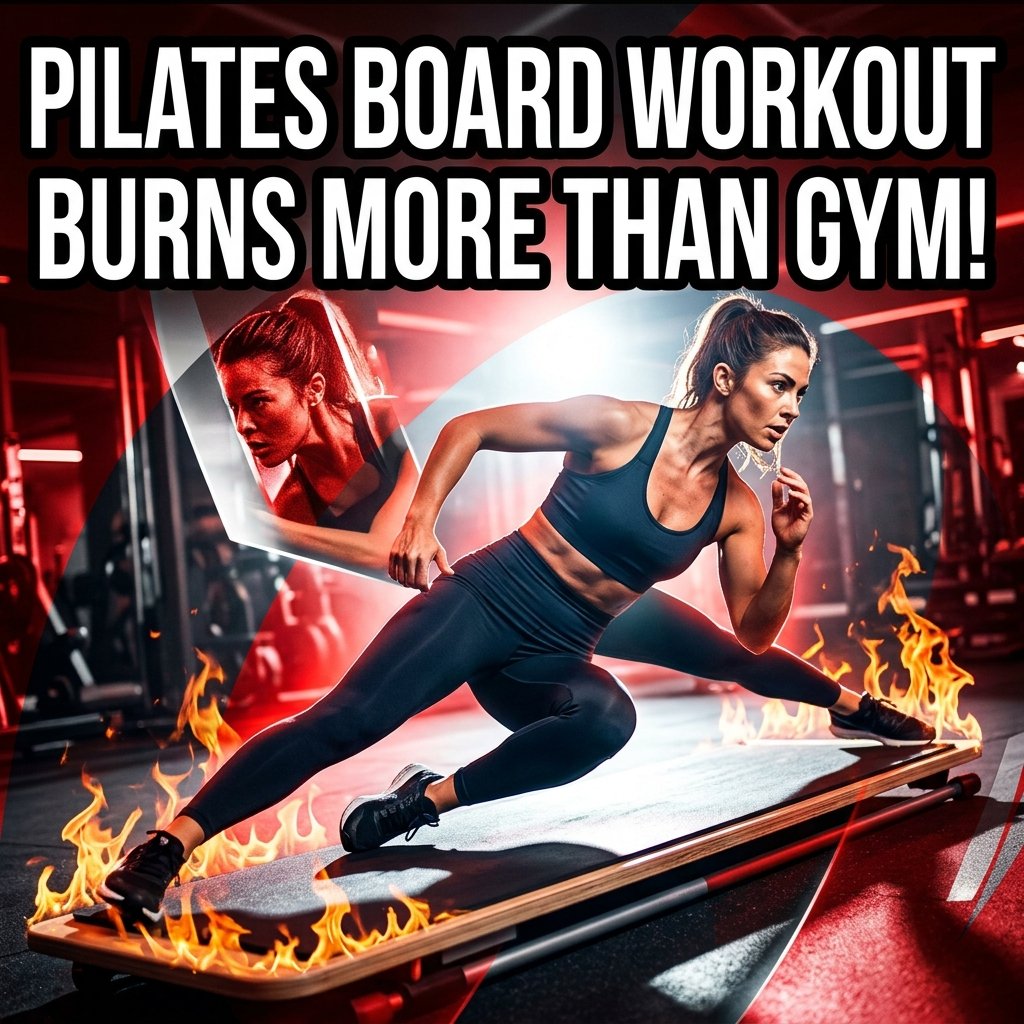
If you want to build core strength without relying on the same old crunches, you need to look into pilates board workouts. I remember the first time I stepped onto a sliding surface. The frictionless surface forces your stabilizing muscles to work overtime. It completely changes bodyweight training.
Most people stick to basic mat exercises because they feel safe. When you remove the friction between your feet and the floor, your nervous system has to adapt instantly. Your deep core muscles fire up just to keep you upright. You stop going through the motions and start paying attention to form.
“Intentional daily routines transform how we experience our homes, our style, and our overall quality of life.”
– Modern Lifestyle Insights
I want to talk about how this equipment actually works and why I recommend it so highly. You do not need a massive home gym to see results. A simple sliding surface gives you access to hundreds of movements. Let us look at what makes this approach different.
Why You Should Try Pilates Board Workouts
The main reason I prefer this training over standard gym machines is the functional strength you develop. When you sit on a machine, the seat does the stabilizing for you. On a slide board, your body is the only thing keeping you stable. This forces you to build usable strength.
“Small, deliberate aesthetic choices lead to transformative daily happiness inside your personal environment.”
– Aesthetic Living Experts
Another major benefit is the low impact on your joints. Running and jumping put a lot of stress on your knees and ankles. The sliding motion completely removes that hard impact. According to WebMD, low impact exercises like this help improve flexibility and posture without risking injury.
I also love the cardiovascular challenge. When you start doing mountain climbers or lateral lunges on a frictionless surface, your heart rate spikes fast. You get to combine strength training and cardio into a single block of time. I usually leave my sessions completely drenched in sweat.
The Mechanics Behind the Glide
Friction is a funny thing. When you take it away, your body panics a little bit. Your brain sends signals to every muscle to brace for a fall. Your muscles contract harder and stay under tension longer because they cannot take a break. There is no rest during the movement.
You have to pull yourself back to the starting position using pure muscle power. Think about a regular side lunge. You step out, drop your hips, and then push off the floor to return. On a board, you slide your foot out and then physically drag it back in.
This continuous tension leads to better muscle endurance. Your fibers learn to fire efficiently over extended periods. You will notice the difference the next time you go for a run or try to lift something heavy. You train your nervous system to handle instability, translating directly to overall athleticism.
Setting Up Your Space for Success
You do not need an entire room dedicated to your fitness routine. You just need a flat surface and enough space to extend your arms and legs. I recommend setting up in front of a mirror if you have one. Watching your form helps tremendously when you are just starting.
Here are a few things to keep in mind for your setup:
- Clear a flat area on a hard floor or low pile carpet.
- Place a mirror nearby to monitor your spine alignment.
- Keep your equipment out in the open so you actually use it.
- Wear flat training shoes rather than heavily cushioned running shoes.
If you are serious about improving your health, you need to create an environment that encourages consistency. I keep my equipment easily accessible. Having a dedicated spot means I can just step on and get to work. You can check out our homepage for more ideas on building daily habits.
My Favorite Movements for Beginners
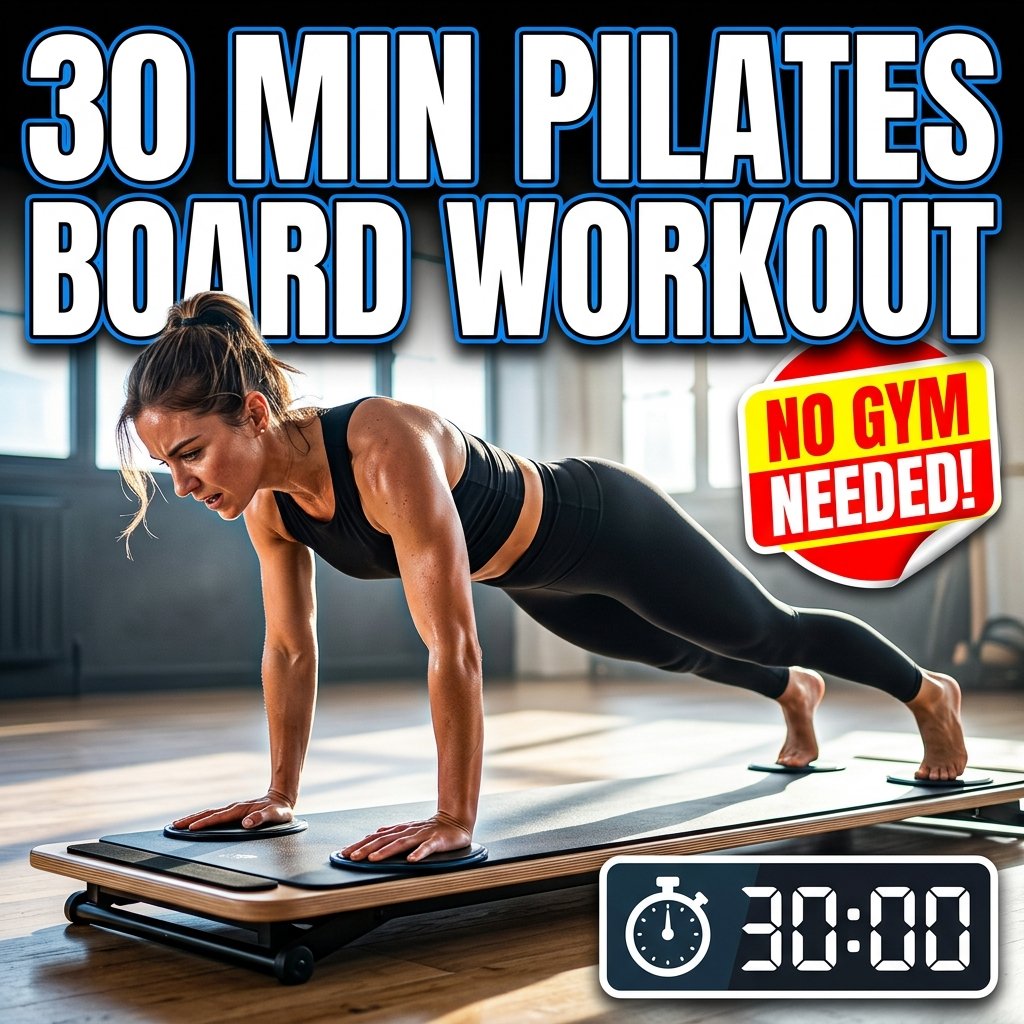
The sliding plank is the first move I teach anyone. You start in a standard pushup position with your feet on the slick surface. Slowly slide your feet apart and then pull them back together. Your shoulders lock in place while your core manages the lower body movement.
Next up is the reverse lunge. Stand with one foot on the floor and the other on the sliding surface. Slowly slide the back foot behind you as you drop your hips toward the floor. Drag the back foot in to stand back up. Take your time with this one.
The final beginner move is the pike. Start in that same plank position. Keep your legs completely straight and pull your toes toward your hands. Your hips should shoot straight up into the air. This move absolutely targets the lower abs. Do not let your lower back sag.
Advanced Techniques to Build Real Strength
Once you master the basics, you can start combining movements. I like to do a sliding pushup into a knee tuck. As you lower your chest to the floor, you slide one arm out to the side. As you push back up, you drag the arm in and pull both knees in.
You can also increase the speed of your movements. Slow and controlled is great for learning, but speed builds power. Sliding mountain climbers are fantastic for this. I have found that adding pilates board workouts to your routine completely changes the way your core activates during these fast intervals.
I sometimes incorporate resistance bands into my routine. You can anchor a band to a heavy piece of furniture and hold it while you perform lateral lunges. You have to fight forces in multiple directions at once. This delivers incredible results if you stick with it over time.
Common Mistakes I See All the Time
The biggest mistake is rushing the eccentric phase of the exercise. People tend to just let their foot shoot out out of control. You have to resist the slide. Fighting the momentum is what builds the muscle. If you just let gravity do the work, you are wasting your time.
Another frequent error is dropping the hips during plank variations. When you get tired during pilates board workouts, your lower back wants to take over. This leads to a sagging middle and lower back pain. If you cannot maintain a straight line, you need to stop and rest.
Finally, people forget to breathe. The instability makes you tense up, and your natural reaction is to hold your breath. You need to focus on taking deep, rhythmic breaths. According to Healthline, proper breathing techniques increase oxygen flow to your muscles and improve your overall physical performance.
How to Program Your Weekly Routine
You do not need to do this every single day. In fact, you should not. Your muscles need time to recover. I suggest adding these routines to your schedule two or three times a week. You can alternate them with traditional weightlifting or cardiovascular training for a rounded program.
A good session should last between twenty and forty minutes. Start with a five minute warmup to get your joints lubricated. Then pick five different exercises. Perform each exercise for forty five seconds, followed by fifteen seconds of rest. Complete four total rounds of this challenging circuit.
I always track my workouts in a simple notebook. I write down the exercises I did and how hard they felt. This allows me to see my progression over time. If a certain routine feels too easy, I know I need to increase the duration or pick harder variations next time.
Comparing Sliders to the Full Setup
Many people ask if they can just use cheap furniture sliders on their carpet. The short answer is yes, you can. Sliders are a great, budget friendly way to test the waters. However, they do have limitations. They only work on certain surfaces, and they can sometimes snag on the floor.
A dedicated surface provides a much smoother, more consistent experience. You get a larger area to work with, which opens up new movement patterns. If you plan on doing pilates board workouts regularly, upgrading to a full setup makes a lot of sense. The quality of the movement is better.
I always recommend starting with what you have. If you have hardwood floors, you can literally use a pair of thick socks to try these exercises. Once you realize how effective they are, you can decide if you want to purchase specialized equipment. The goal is just to start moving.
Measuring Your Progress
The scale is a terrible way to measure your success with pilates board workouts. You might actually gain weight as you build dense muscle in your legs and core. I focus on performance metrics instead. How long can you hold a sliding plank? These numbers tell a much more accurate story.
Pay attention to how your clothes fit and how your body feels during everyday activities. You should notice that carrying groceries or climbing stairs feels noticeably easier. Your posture will likely improve as your deep core muscles get stronger. These non scale victories are what keep me motivated.
Take videos of yourself working out. It might feel weird at first, but it is the best way to check your form. You can compare a video from your first week to a video from your tenth week. Seeing that visual evidence proves that the hard work is paying off.
Read also:
Read also: Self-care tips you need to try
Frequently asked questions
What muscles do these routines target?
They heavily target your entire core, including your abdominals, obliques, and lower back. Your glutes, hamstrings, and inner thighs also do a massive amount of work to stabilize your body. Even your shoulders get a great workout during plank based movements. It is a true full body challenge.
Can beginners do these exercises?
Yes, absolutely. The rule is to start slow and focus on small movements. You do not have to slide your leg out all the way. Start with a small range of motion and gradually increase it as you build strength and confidence. Everyone starts somewhere.
Do I need to wear shoes?
I highly recommend wearing supportive athletic shoes. You put specialized booties over your shoes to create the slide. Doing this barefoot or in just socks puts a lot of stress on your foot and ankle joints. Shoes give you the structure you need to push safely.
Will this help me lose weight?
Weight loss comes down to your diet, but these routines burn a significant number of calories. The combination of muscle building and cardiovascular effort makes them highly efficient for fat loss. Just make sure you pair your training with a solid nutrition plan.
How often should I incorporate these moves?
I suggest two to three times a week. Your core muscles need recovery time just like your biceps or chest. Doing intense stability work every single day can lead to overtraining and poor form. Rest days are when your body actually gets stronger.
Are they bad for your knees?
No, they are actually very joint friendly. Because your foot never leaves the floor, there is zero impact. It is much safer for your knees than running or jumping rope. However, you still need to use proper form and avoid letting your knees cave inward.