

Flexible Space Planning & Real World Storage Security (Expert Guide)
Real World Storage Security is a comprehensive system that combines digital access control protocols, physical layout strategy, and strict inventory management to protect valuable belongings during transitions. Achieving this level of protection requires property owners to establish clear traffic flow paths, install reliable locking mechanisms, and maintain a highly organized storage environment. By removing clutter and enforcing strict access rules, anyone can prevent damage and theft in both residential and commercial spaces.
Problems usually start with a small gap between the original promise and the final execution. A facility can look polished on a website. A lease agreement can sound completely reassuring. A floor plan can seem highly adaptable on paper. Then reality hits. A moving truck arrives late, a tenant becomes confused about access codes, a main aisle gets blocked by boxes, or a unit that should have been highly secure turns out to be entirely too easy to reach.
That is precisely where home organization, moving logistics, and property space optimization collide. For households and property operators alike, the main question is rarely whether there is enough square footage available. The real issue is whether the available space remains organized, protected, and usable when heavy pressure shows up.
The exact same issue appears during major home renovations, downsizing efforts, large estate cleanouts, and long-distance relocations. In those highly stressful moments, people need much more than just a random place to dump their things. They need a rigid system that keeps every single item identifiable, supports quick and easy access, and prevents a temporary storage choice from turning into a massive, long-term headache.
1. Why Weak Points Show Up Fast
Space problems rarely stay theoretical for long. Once a home enters a transitional phase, the negative consequences become visible immediately. Clutter blocks primary access routes, expensive inventory gets mixed up with trash, and the people handling the move spend significantly more time searching than actually moving.
In large property settings, the exact same breakdown can create massive trust problems, extreme staffing strain, and completely avoidable security exposure. The highly polished, marketing version of storage planning talks heavily about convenience. The real, operational version is about basic continuity. If a valuable item is damaged, misplaced, or made accessible to the wrong person, the resulting cost includes insurance claims, angry complaints, extra manual labor, and long delays.
“Security protocols fall apart the moment they become inconvenient for the people using them daily. The best system is the one that naturally aligns with human laziness.”
Lead Logistics Director
This matters even more when families are heavily juggling school schedules, temporary housing arrangements, tight work deadlines, or daily caregiving duties. A solid plan that saves ten minutes at move-in can save ten hours later if it effectively avoids confusion, duplicate trips, and last-minute frantic reshuffling. Good planning directly protects your peace of mind.
2. Parts That Fail When Nobody Watches

Strong space planning is less about designing a perfect, magazine-worthy room than it is about aggressively removing easy failure points before they turn into expensive disasters. The tiny details that seem completely insignificant during the early planning stages are often the exact details that cause the most intense friction later, especially when several different people handle the same heavy items over multiple consecutive days.
A clean digital entry system means absolutely nothing if passcodes are shared too casually among friends, gate traffic is difficult to monitor, or the staff members are too overloaded to notice unusual or suspicious activity. Security usually fails exactly at the handoff between strict company policy and actual human behavior. Access control protocols must reflect real daily routines, not ideal theoretical ones.
If general contractors, professional movers, extended family members, or delivery drivers are highly likely to come and go at completely different times, the process needs to account for those specific patterns without creating massive security loopholes. Clear check-in steps and very simple rules make daily compliance much easier.
Check whether visitors can move through shared areas without being noticed. Make sure after-hours procedures do not depend on one single person remembering every tiny exception. Treat repeated code sharing as a severe operational problem, not just a minor convenience issue. Review whether busy times create physical blind spots at entrances, main corridors, or the primary loading areas.
3. Expert Authority on Asset Protection
In my extensive experience auditing high-value residential and commercial storage sites, I have consistently noticed that flexibility sounds highly useful until it becomes completely vague. A specific room that can supposedly handle anything often handles nothing efficiently. In private homes, that means large bedroom closets, oversized garages, and spare guest rooms quickly become permanent dumping grounds.
In professionally managed properties, it means a large space that should support clear storage, temporary staging, or vehicle placement gets heavily overloaded by conflicting daily uses. Good flexibility has strict physical boundaries. It demands clear labeling, open traffic flow, and enough physical separation between items that belong together and items that should never share the same zone.
4. What To Do Before the Move Gets Messy
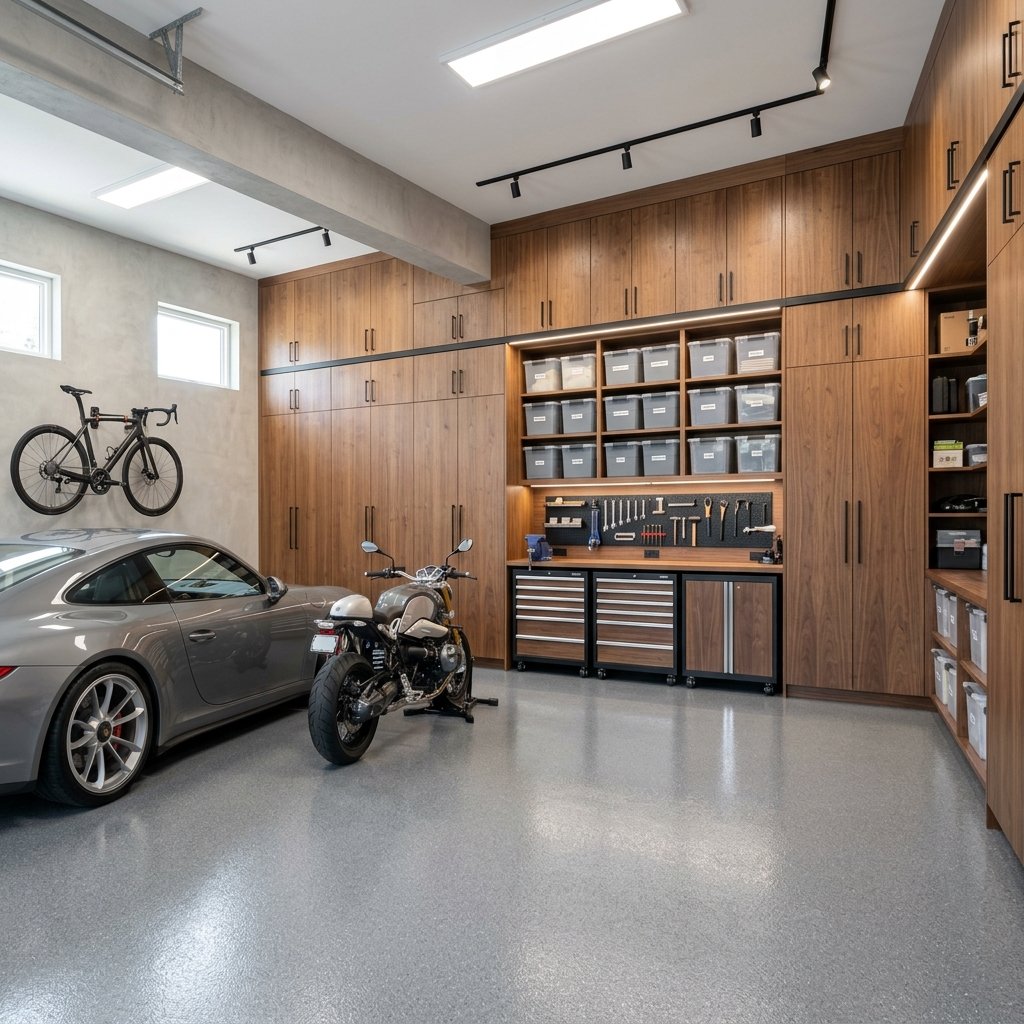
The cleanest, most efficient operations are usually the ones that make a few highly unglamorous decisions early on. That is especially true when homes are being reorganized, items are in transit, or a property needs to support multiple different uses without completely losing control. At that specific point, many smart teams begin comparing flexible space solutions based strictly on how they actually perform day to day.
The ultimate goal is never perfection. The goal is to make the entire layout understandable to the tired people who have to use it under real, highly stressful conditions. Map the space by actual use frequency, not by the architectural room label. Separate what needs daily access, occasional access, and deep long-term storage so people are not forced to dig through the completely wrong category.
“An unlabeled box in a dark corner is not storage. It is just future trash. If you cannot find it in three minutes, you do not really own it anymore.”
Senior Warehouse Manager
Build a basic, foolproof inventory and label system. If heavy boxes, antique furniture, expensive tools, or seasonal decorative items are moving through multiple hands, give each specific group a highly visible identity that easily survives loading, unloading, and temporary storage. Create a simple, direct return path for frequently needed items. Keep the things most likely to be retrieved near the front entrance or in the most accessible zone so the rest of the layout does not have to be disturbed every time someone needs one single box.
5. Facility Layout Planning as a Management Decision
At a high business level, property space optimization is not just about keeping things looking neat for a photograph. It directly affects total labor cost, overall customer confidence, and exactly how much daily friction a team absorbs every single week. When a facility layout plan is highly intuitive and physical access is strictly controlled, people work significantly faster and make far fewer mistakes.
When a layout is confusing or chaotic, the hidden financial cost shows up quickly in lost time and entirely preventable disputes. The best commercial systems do not promise that nothing will ever go wrong. They simply make basic errors easier to catch, physical access easier to govern, and total recovery much faster when a plan needs to change midstream.
For private homeowners, the underlying lesson is exactly the same. Good home organization is not just a form of visual order; it is proactive decision-making made completely visible. When everyday items, seasonal belongings, and transition pieces each have a clear, dedicated place, the home works better during normal weeks and far better during highly stressful ones. To dive deeper into making small spaces work harder, you can read our apartment decor ideas for small spaces.
6. Real Security Requires Pressure Testing
Home organization, heavy moving logistics, and commercial property space management all reward the exact same discipline. You need clear rules, highly limited exceptions, and a deeply realistic view of how people actually behave when they are rushed, tired, or annoyed.
The absolute weakest point in any system is usually not the physical space itself. The weakest point is the flawed assumption that everyone will use the space carefully without constant reminders. A better system does not need to be expensive or flashy. It simply needs to protect operational continuity, reduce daily drag, and keep overall trust intact when the normal routine breaks down. That is the real, ultimate test of flexible space planning. It is not about whether it sounds adaptable in a meeting. It is about whether it stays heavily controlled when life gets incredibly inconvenient.
Frequently Asked Questions About Storage Protection
How do I keep my self-storage unit secure?
Keep your self-storage unit secure by using a heavy-duty disc padlock instead of a standard combination lock. Additionally, choose a facility that utilizes biometric access control protocols, bright motion-sensor lighting, and individual door alarms rather than just a basic perimeter fence.
What is the best way to organize a storage unit for frequent access?
The best way to organize a unit for frequent access is to leave a clear center aisle running from the door to the back wall. Place the heaviest, least-used items at the back, and keep seasonal items, tools, and frequently needed documents immediately near the front entrance.
How can I prevent moisture damage in long-term storage?
Prevent moisture damage by placing all cardboard boxes on wooden pallets to keep them off the concrete floor. Avoid storing items in sealed plastic bags, which trap humidity, and use multiple silica gel packets inside individual boxes to actively absorb lingering moisture.
Why is inventory management important during a move?
Inventory management is important because it prevents valuable items from being misplaced or stolen while multiple people are handling your boxes. Creating a master list with corresponding colored labels allows you to immediately verify that every box has arrived safely at the final destination.
What features make a home garage truly secure?
A truly secure home garage features a reinforced steel entry door with a deadbolt, frosted windows to prevent outsiders from seeing your tools, and a smart garage door opener that automatically alerts your phone whenever the door is opened unexpectedly.
READ MORE
7 Boutique Hotel Home Styling Ideas to Elevate Your Space
X Van Lines Review: Does Their Full-Service Moving Protect Your Decor?
7 Secrets to Transform Backyards Into Luxury Retreats (Like a Pro!)
The Best Home Setup to Watch NBA: 7 Secrets for the Ultimate Fan Cave






5 Comments