Cycle Syncing Workouts: How to Exercise According to Your Hormones
Based on our extensive research and practical lifestyle testing, If you have ever noticed that some weeks your workouts feel genuinely effortless and other weeks they feel like moving through concrete, cycle syncing workouts offer a scientific explanation and a practical framework for working with that variation rather than fighting against it. The basic premise is straightforward: your hormonal profile changes significantly across your menstrual cycle, and those changes affect your energy, strength, recovery time, and motivation in measurable ways.
“Intentional daily routines transform how we experience our homes, our style, and our overall quality of life.”
– Modern Lifestyle Insights
Adjusting your exercise intensity and type to align with each phase of your cycle is not about doing less. It is about doing the right kind of work at the right time, which ultimately produces better results with less exhaustion and fewer injuries.
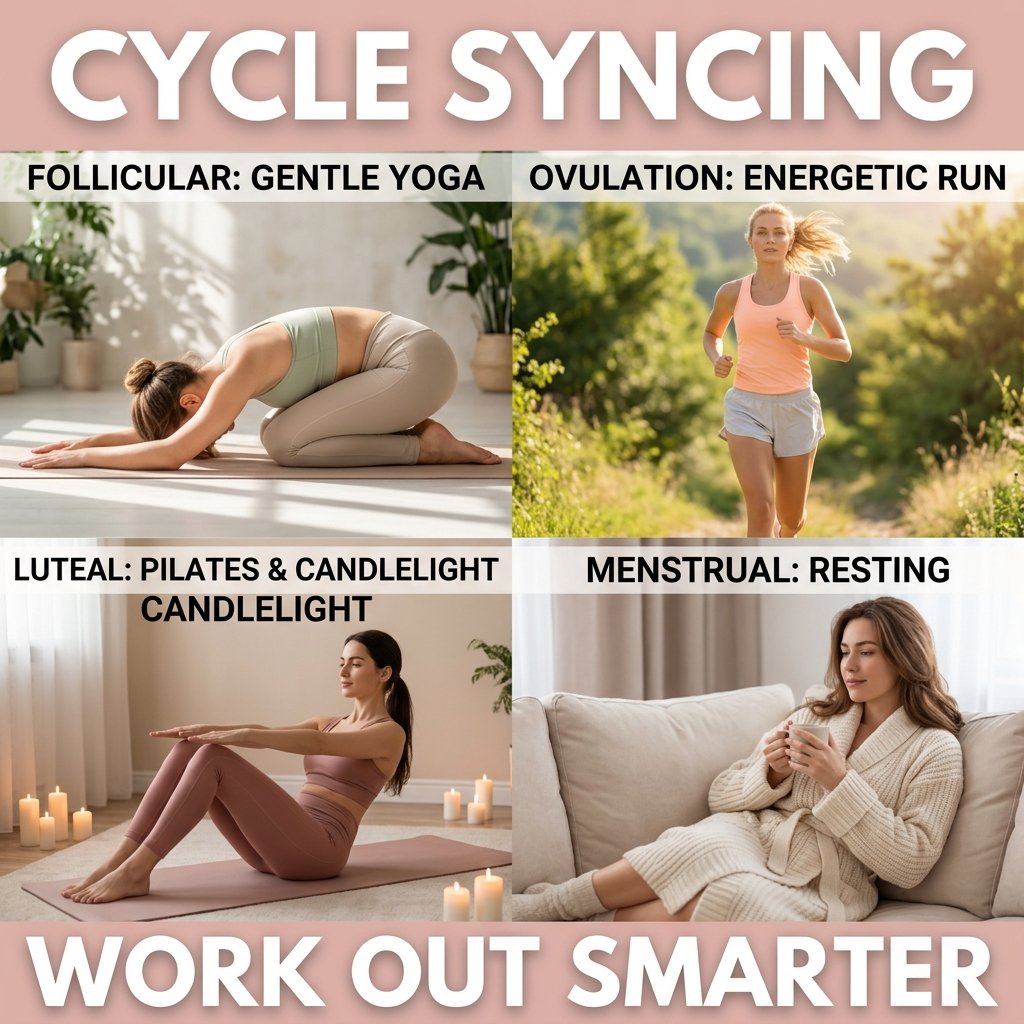
Understanding Cycle Syncing Workouts by Phase
The menstrual cycle is broadly divided into four phases, each with a distinct hormonal profile. Understanding what is happening hormonally in each phase is the key to understanding why the exercise recommendations for each phase exist. This is not simply wellness advice rooted in anecdote. Research published in the National Library of Medicine confirms that estrogen, progesterone, and testosterone levels during the cycle significantly influence muscle strength, recovery capacity, and aerobic performance.
Phase 1: Menstrual Phase (Days 1-5)

During menstruation, estrogen and progesterone are both at their lowest. Energy levels are typically reduced, and the body is already working hard to shed the uterine lining. This is not the time to push through a high-intensity workout. Rest is not laziness during this phase; it is physiologically appropriate. The best exercises for the menstrual phase are gentle, restorative, and low-impact: slow yoga, light stretching, a gentle walk, or a slow swim. These keep the body moving without adding additional physiological stress on top of an already demanding process.

Phase 2: Follicular Phase (Days 6-13)
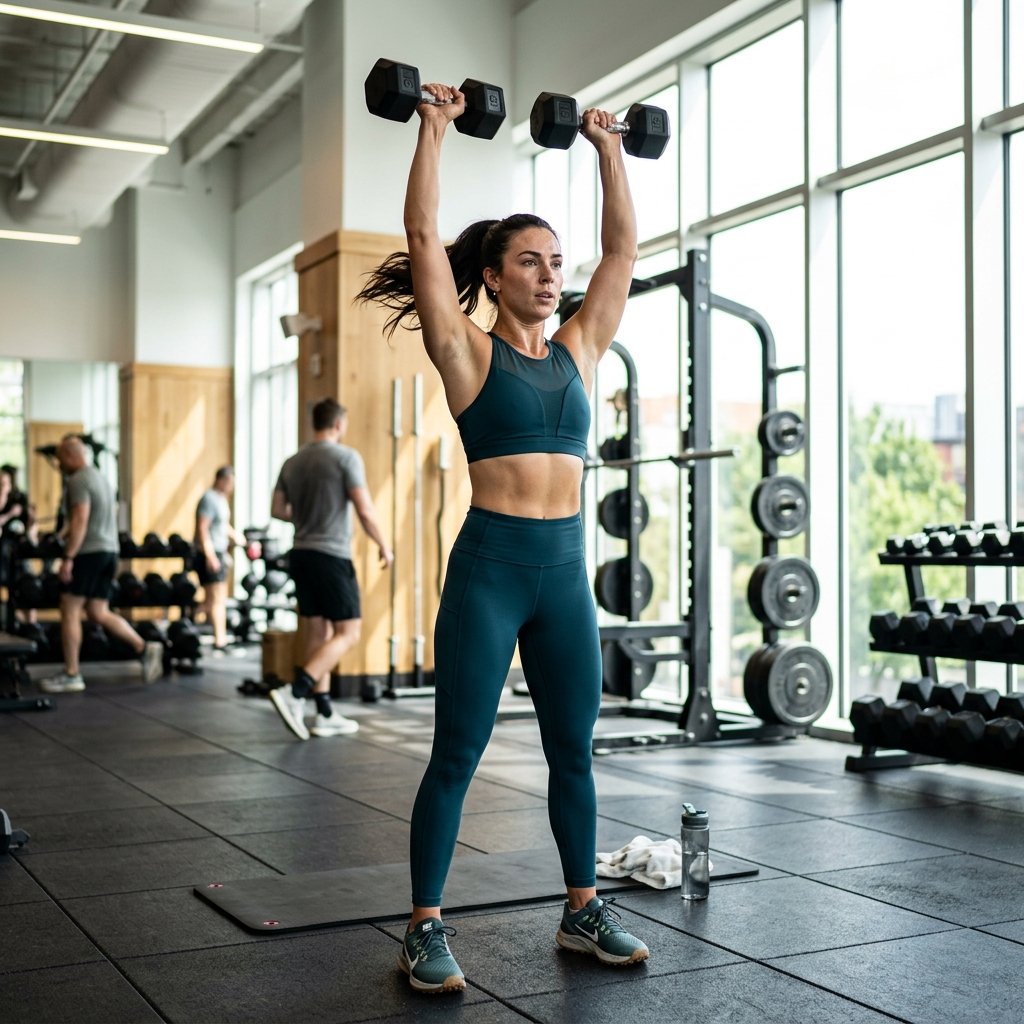
As menstruation ends, estrogen begins to rise steadily. Energy levels increase, mood typically lifts, and the body becomes more capable of handling physical stress. This is a good phase for trying new workouts, increasing your weight training load, or pushing your cardio intensity slightly higher than usual. The rising estrogen environment supports faster muscle recovery and greater physical resilience. Strength training, HIIT, cycling, and dance classes all work well during the follicular phase.
Phase 3: Ovulatory Phase (Days 14-16)

Ovulation is the hormonal peak of the cycle. Estrogen is at its highest, and testosterone also spikes briefly, which gives many people a notable boost in physical strength, competitive drive, and overall energy. This is the phase for your most intense workouts: heavy lifting sessions, long-distance runs, competitive group fitness classes, or any workout that demands maximum output. Recovery is also faster during this short window, which means you can train hard on back-to-back days with less soreness than usual.
Phase 4: Luteal Phase (Days 17-28)
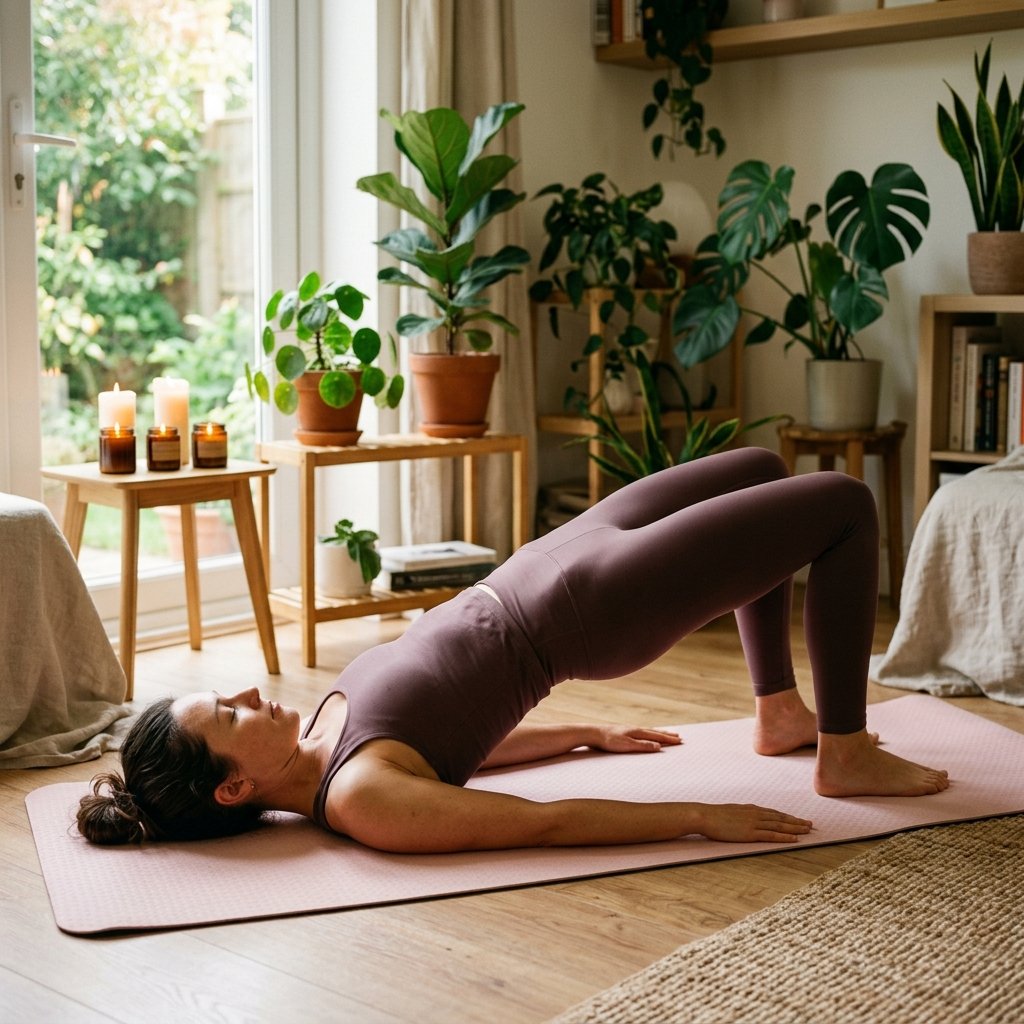
After ovulation, progesterone rises significantly while estrogen gradually declines. This hormonal shift often shows up as reduced energy, higher body temperature, increased appetite, and the kind of general heaviness that many people associate with PMS. The luteal phase is not the time to force high-intensity work. Moderate-intensity exercise (pilates, yoga, brisk walking, swimming, low-impact strength training) supports the body through this phase without amplifying the fatigue and inflammation that rising progesterone can cause.
How to Actually Implement Cycle Syncing
The most common mistake people make when starting cycle syncing is trying to overhaul their entire workout schedule immediately. A more sustainable approach is to start by tracking your cycle for one or two months alongside your energy levels and workout performance. Note on which days your workouts felt strong and effortless versus which days felt heavy and depleted. After two cycles, you will almost certainly see patterns that align closely with the four phases described above.
From there, simply begin adjusting one phase at a time. The luteal phase is usually the best place to start because the contrast between its demands and what people typically try to force themselves through is the most dramatic. Switching from high-intensity classes to pilates or yoga during the late luteal phase alone produces a noticeable improvement in how the final days before menstruation feel. You can incorporate a mat pilates class at home easily during this phase without needing any equipment.
The Nutrition Connection
Cycle syncing workouts work best when paired with cycle-aware nutrition. During the follicular and ovulatory phases, the body handles carbohydrates efficiently and benefits from higher protein intake to support the muscle building that is easier in an estrogen-dominant environment. During the luteal phase, the body’s resting metabolic rate increases slightly (which is why hunger intensifies before a period), and complex carbohydrates become more important for sustaining energy and managing mood. Iron-rich foods become particularly relevant during menstruation to support the replenishment of what is lost.
The most common response from people who have tried cycle syncing for a full cycle or two is surprise at how much sense it makes in retrospect. They realize that the days they were forcing themselves through brutal workouts on zero energy were consistently the same days of the month. The frustration was not a lack of discipline. It was a mismatch between their training schedule and their physiology. That mismatch is completely avoidable.
Frequently Asked Questions
Is cycle syncing scientifically proven?
The hormonal changes across the menstrual cycle are well-established science. The research specifically on adjusting exercise to align with those changes is still growing, but existing studies confirm that hormonal fluctuations measurably affect strength, endurance, and recovery. According to the Office on Women’s Health, understanding your cycle is a key component of overall wellness for people who menstruate.
What if my cycle is irregular?
Irregular cycles make precise phase tracking harder, but the core principle still applies: pay attention to how your energy, strength, and recovery feel day to day and adjust your training intensity accordingly. Apps that track both cycle data and workout performance can help identify patterns even in cycles that are not textbook regular.
Can I still do intense workouts during the menstrual phase if I feel fine?
Yes. These are guidelines based on averages, not rules. Some people genuinely feel energized during menstruation and have excellent workouts. The point is to listen to your body rather than follow a rigid schedule that ignores how you actually feel. If you feel strong, train. If you feel depleted, rest without guilt.
How long does it take to see results from cycle syncing?
Most people notice a meaningful difference in how they feel within one to two full cycles. The reduction in forced-training exhaustion during low-energy phases and the improved performance during high-energy phases tends to be apparent relatively quickly. Longer-term results in terms of body composition and fitness levels typically become visible over three to six months of consistent practice.
Your cycle is not an obstacle to your fitness goals. It is a built-in periodization system that, when worked with rather than against, makes your training more effective, your recovery faster, and your overall relationship with exercise significantly more sustainable. Start tracking today.