The Ultimate 30-Minute Pilates Board Workout (Full Body Flow)
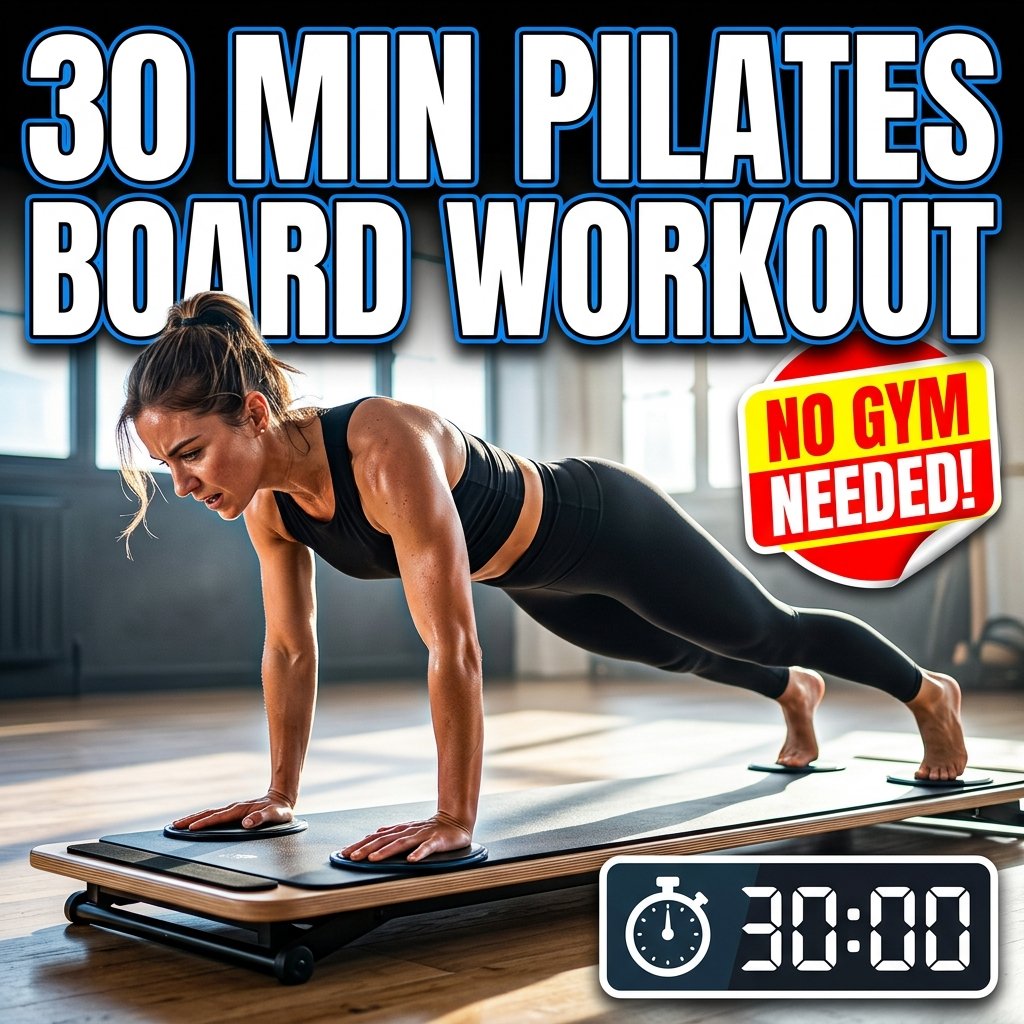
Have you been scrolling through fitness trends and wondering if a pilates board workout is actually worth your time? I get it. We see so many gimmicks online that it is hard to tell what works and what is just noise. But let me tell you, grabbing one of these sliding surfaces changed how I train at home. You do not need a massive studio or an expensive reformer machine to get that deep, shaking muscle burn. I have put together a routine that will completely wreck your core in the best way possible.
“Intentional daily routines transform how we experience our homes, our style, and our overall quality of life.”
– Modern Lifestyle Insights
We are going to cover a full thirty-minute routine that hits every single muscle group. You will slide, you will sweat, and you will probably hate me a little by minute twenty. But when you are done, you are going to feel incredibly strong. Grab your water bottle, clear some space on your floor, and let us get right into it.
I know it can be intimidating to try a new piece of equipment. You might feel a little clumsy at first. That is completely normal. Give yourself grace during the first few sessions. Your body has to learn how to stabilize on a frictionless surface, and that takes time. Do not rush the process.
“Small, deliberate aesthetic choices lead to transformative daily happiness inside your personal environment.”
– Aesthetic Living Experts
What Exactly Is a Sliding Fitness Surface?
Before we jump into the movements, let us talk about the gear. A slide board or a glider setup is basically a slick surface that forces you to use your stabilizers. Every time you push off or pull in, your core has to work double time. It takes the principles of traditional mat work and adds a layer of instability.
If you are used to doing standard squats or lunges on a sticky yoga mat, you are in for a shock. The lack of friction means momentum cannot save you. You have to control every inch of the movement. That is where the magic happens and why adding a pilates board workout to your week can transform your living room into a high-end fitness studio.
I used to think I needed heavy weights to see any real change in my body. Then I tried sliding my way through a thirty-minute session, and my glutes were sore for three days. You are relying entirely on body weight, gravity, and friction, or the lack thereof. And honestly, it is a lot of fun once you get the hang of it.
The beauty of this tool is its versatility. You can use it for high-intensity interval training, slow controlled strength work, or even gentle mobility flows. It adapts to your current fitness level while always providing room to grow. You will never outgrow the challenge of fighting against your own body weight.
The Ultimate pilates board workout for Full Body Toning
Okay, here is the plan. We are doing a thirty-minute flow broken down by muscle groups. You do not need to rest much between moves, but if you need a breather, take it. The goal is continuous tension. I want you to focus on your breath and keep your core tight the entire time.
I suggest putting on a playlist that makes you want to move. Music helps distract from the burn. We will start with a warm-up, move into lower body, hit the upper body, and finish with a serious core burner. Do not rush the movements. Slower is actually harder when you are sliding.
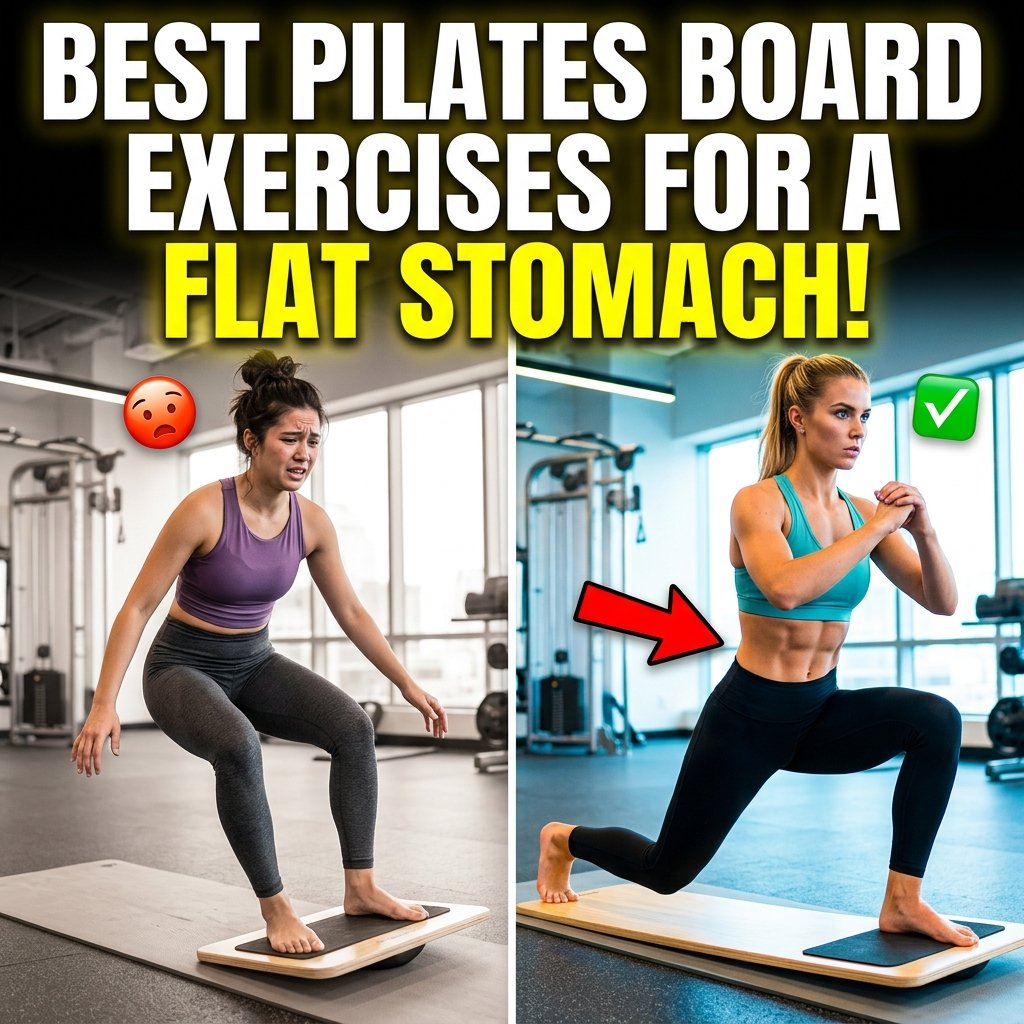
Remember that form is everything. If you feel your lower back arching or your shoulders rounding, take a pause. Reset your posture. Doing five perfect reps is always better than doing fifteen sloppy ones. You are here to build strength, not to injure yourself.
Phase One: The Warm-Up
Never skip the warm-up. Seriously, do not do it. We need to get blood flowing to your joints before we start demanding crazy things from them. Start by standing at one end of the floor space. Take a deep breath in, reach your arms overhead, and exhale as you fold forward.
Walk your hands out into a high plank. Hold it there for ten seconds. Feel your shoulders engage and your belly button pull up toward your spine. Now, gently push back into a downward dog. Pedal out your feet. Do this three times just to wake up your hamstrings and shoulders.
Next, put your booties on and step onto the sliding surface. We are just going to do simple side-to-side glides. Keep your knees slightly bent and push off gently from side to side. Do not go for speed here. We just want your brain to figure out what it feels like to be on a slippery surface.
Phase Two: Lower Body Fire
Now the real fun begins. Let us talk about reverse lunges. Stand with both feet on the slick surface. Keep your weight in your right heel and slowly slide your left foot back. Drop your left knee toward the floor. Now, pull that left foot back to the starting position. Do not push off the back foot; drag it.
You should feel this entirely in your right glute and hamstring. Do fifteen reps on the right leg, then switch to the left. If you are doing it right, ten reps in, you will be shaking. This intense focus on stabilization makes a regular pilates board workout so effective for building lower body strength without bulking up.
Next up, lateral lunges. Stand tall and slide your right foot out to the side while bending your left knee. Keep your chest lifted. Pull the right foot back in. Again, the effort should come from the inner thigh of the sliding leg and the glute of the standing leg. Fifteen reps each side.
We are going to finish the lower body segment with hamstring curls. Lie on your back with your heels on the slick surface and your knees bent. Lift your hips into a bridge. Now, slowly slide both heels away from you until your legs are straight. Then pull them back in. If both legs are too hard, do one leg at a time.
Phase Three: Upper Body and Back
You might think sliding is just for legs, but your arms are about to put in work. Come down into a kneeling plank with your hands on the surface. We are doing sliding push-ups. As you lower your chest to the floor, slide your right hand out to the side. As you push up, pull the hand back to the center.
Alternate arms for twelve reps total. This hits your chest, shoulders, and forces your core to stabilize you. If you are feeling advanced, try doing this on your toes. I usually stick to my knees because my form falls apart otherwise. Quality always beats ego when it comes to training.
After push-ups, let us do some arm reaches. Stay in that kneeling plank. Keep your body perfectly still and slide your right arm straight out in front of you. Pull it back. Slide the left arm out. Pull it back. It sounds easy, but keeping your hips from swaying is incredibly difficult.
Remember to breathe. It is so easy to hold your breath when things get tough. I always remind myself to exhale on the hardest part of the movement. If you want more tips on maintaining form and general wellness, I highly recommend checking out some resources on our self care blog. They have great advice for recovery.
Phase Four: The Core Crusher
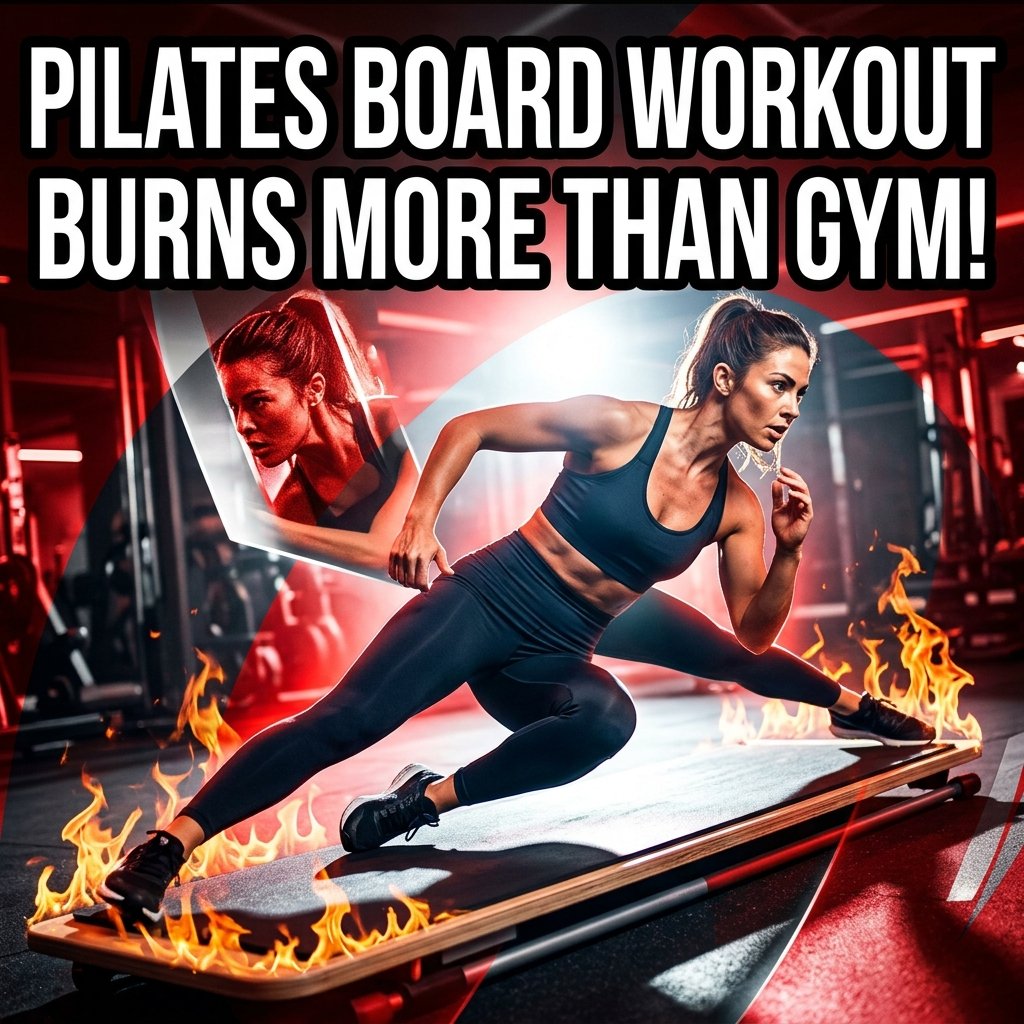
We are bringing it home now. Your core is going to hate me. Get into a high plank position with your toes on the slick surface. We are doing mountain climbers, but controlled. Slide your right knee to your right elbow, then push it back. Slide your left knee to your left elbow.
Do not bounce. I see people rushing through this all the time. Slow it down. Take three full seconds to bring the knee in and three seconds to push it back. This extended time under tension is exactly why integrating a quick pilates board workout into your weekly schedule yields such fast results.
Now, let us do some pikes. From that high plank, keep your legs straight and slide both feet toward your hands, lifting your hips up to the ceiling. You should look like an upside-down V. Slowly slide back out to a plank. Do ten of these. Your lower abs will be screaming.
If pikes are too intense, switch to knee tucks. Just slide both knees into your chest and then push them back out to a plank. It is a modification, but it is not a compromise. It still works the exact same muscles. Do whatever allows you to maintain good form.
Common Mistakes to Avoid
When you are learning a new routine, it is easy to pick up bad habits. The most common mistake I see is using momentum instead of muscle control. When you slide, you should feel resistance. If you are just flinging your arms or legs around, you are completely missing the point.
Another big issue is letting the lower back sag during plank-based movements. This puts a dangerous amount of strain on your spine. Always keep a slight tuck in your pelvis and pull your ribs down toward your hips. If you cannot maintain a strong plank, drop to your knees.
Lastly, do not forget to breathe. Holding your breath spikes your blood pressure and drains your energy. Breathe in during the eccentric, or lowering, phase of an exercise, and breathe out during the concentric, or pushing, phase. It sounds simple, but it makes a massive difference in your performance.
How to Recover Properly
You did it. Thirty minutes of sliding, sweating, and shaking. But the work does not end when you step away from the equipment. Recovery is just as important as the routine itself. If you do not stretch, your muscles will tighten up and you will be miserable tomorrow.
Spend at least five minutes doing static stretches. Focus on your hip flexors, hamstrings, and shoulders. I like to sit in a deep pigeon pose for at least two minutes on each side. It hurts a bit in the moment, but it saves me a lot of pain the next day.
Hydration is key. Drink a large glass of water right now. Your muscles need fluids to repair the micro-tears you just created. According to experts at Healthline, staying adequately hydrated can significantly improve muscle recovery times. Do not ignore your water intake.
You also need protein. I am not saying you need to chug a massive protein shake, but grab a snack with some substance. A piece of chicken, some Greek yogurt, or a couple of hard-boiled eggs will do the trick. Feed your body so it can rebuild stronger than before.
Making This Routine a Habit
Doing this once is great. Doing it three times a week is how you change your body. Consistency is the only magic pill that exists in fitness. It does not matter if you have the best gear in the world; if it sits in the closet, it will not help you.
I suggest scheduling your sessions just like you would a work meeting. Put it on your calendar. When the alarm goes off, do not think about it. Just put your workout clothes on and roll out the equipment. The hardest part is always the first five minutes.
Once you start moving, the endorphins take over. And by the end of it, you never regret doing the work. Finding ways to stay motivated can be tricky, but mixing up the exercises keeps your brain engaged. A consistent, well-planned pilates board workout will challenge your coordination and balance every single time.
Listen to your body, though. If you are extremely sore, take a rest day. Pushing through pain can lead to injury, and nobody wants to be sidelined. Active recovery, like walking or light stretching, is perfect for the days between your sliding sessions.
Sleep is another huge factor. Your muscles grow and repair while you are asleep. For detailed information on how sleep affects physical health, you can read up on the science over at WebMD. Good sleep hygiene is a non-negotiable part of any fitness journey.
Final Thoughts on Sliding Your Way to Fitness
I hope you are feeling motivated to try this. It is a challenging style of training, but it is incredibly rewarding. You will discover muscles you did not even know you had. The instability forces you to be present in your body, which is a great mental break from a busy day.
Remember to focus on your form, breathe through the tough parts, and do not be afraid to modify movements if you need to. Progress takes time. Be patient with yourself. Every time you step onto that slippery surface, you are getting stronger and more resilient.
If you stick with it, this simple piece of equipment will become your favorite way to train. So go grab a towel, fill up your water bottle, and tackle this pilates board workout today. I promise you will feel like an absolute champion when you are done.
Read also:
Read also: Self-care tips you need to try
Why pilates board workout is worth your attention
More people are discovering pilates board workout every day, and for good reason. The results speak for themselves when you approach pilates board workout with the right information. Whether you are brand new to pilates board workout or have been exploring it for a while, there is always something useful to learn. Taking a consistent approach to pilates board workout over time is what separates people who see results from those who give up too early.
The most important thing about pilates board workout is that it does not have to be complicated. A few good habits, applied consistently, will take you further than an elaborate routine you cannot stick to.
Mastering pilates board workout Today
Success with pilates board workout comes down to avoiding common mistakes that many beginners make. When you first start learning about pilates board workout, it is easy to get overwhelmed. However, if you keep things simple and focus on the basics of pilates board workout, you will see progress faster than you expect. Many people give up on pilates board workout too soon because they expect overnight results, but patience is key when working with pilates board workout.
Frequently asked questions
Is a slide board good for weight loss?
Yes, it is excellent for burning calories. The continuous movement keeps your heart rate up, combining cardiovascular training with resistance work. Over time, building muscle also helps increase your resting metabolic rate.
Do I need to wear shoes on the equipment?
Typically, you wear special slippery booties over your shoes or just over your socks. Wearing just socks can sometimes work, but the designated booties provide the best slip and protect the surface of your equipment.
How often should I do this routine?
Two to three times a week is a sweet spot for most people. It gives your muscles enough time to recover between sessions while still providing enough stimulus to build strength and endurance.
Can beginners do these exercises?
Absolutely. The key is to move slowly and reduce your range of motion until you feel confident. You can also modify moves, like doing push-ups from your knees, to make them more manageable while you learn the mechanics.
Does it hurt your knees?
Because it is low impact, sliding is generally very friendly on the joints. There is no jumping or pounding on the floor. However, if you have pre-existing knee issues, you should always consult a physical therapist before starting a new exercise program.
Can I store the equipment easily?
Yes, most models roll up tightly. You can slide them under a bed or stand them up in a closet. They take up very little space, making them perfect for small apartments or home gyms.
Will this help with my balance?
Definitely. Because you are constantly fighting instability, your deep core and stabilizing muscles are engaged the entire time. Over a few weeks, you will likely notice significant improvements in your overall balance and coordination.