Pilates Board Exercises: 8 Movements for a Strong, Toned Core
I get asked all the time about the best way to tone up without spending hours at the gym, and my answer always comes back to a solid routine of pilates board exercises. There is something incredibly effective about adding a gliding, unstable surface to your standard core work. If you have been looking for a way to challenge your body without lifting heavy weights, you are in the right place. I am going to walk you through exactly how I use this tool to build a strong midsection.
“Intentional daily routines transform how we experience our homes, our style, and our overall quality of life.”
– Modern Lifestyle Insights
When I first bought my board, I honestly let it sit in the corner of my room for a month. I thought it looked intimidating. But once I actually got on it, I realized it is just a matter of control. You do not need to be a professional gymnast to use it.
Today, I want to share my personal routine with you. These movements have completely changed how I train at home. They are simple to understand but incredibly tough to master. I suggest you grab a water bottle, lay down a yoga mat next to your board, and get ready to sweat.
“Small, deliberate aesthetic choices lead to transformative daily happiness inside your personal environment.”
– Aesthetic Living Experts
Why You Should Care About These Movements
You might be wondering why you cannot just stick to normal sit-ups. The truth is, standard crunches only work a fraction of your core. They completely ignore the deep stabilizing muscles that actually pull your waist in and protect your spine. By incorporating pilates board exercises into your weekly schedule, you force your body to stabilize against a moving target.
I noticed a huge difference in my posture within just two weeks of using the board. As someone who sits at a desk all day, my lower back used to ache constantly. Building up my core strength took that pain away entirely. It is not just about looking good in a swimsuit, though that is a nice bonus.
Before we get into the actual routine, let me give you a quick piece of advice. Do not rush. The slower you move on the board, the harder it is. Momentum is your enemy here. Focus on your breath, exhale on the hardest part of the movement, and pull your belly button towards your spine.
My Favorite pilates board exercises For a Strong Core
This is the exact sequence I use when I have twenty minutes and want to feel completely wiped out. You do not need to do all of these on day one. Pick three or four, master the form, and then build up. I usually aim for three sets of ten to fifteen reps for each movement, but listen to your body.
1. The Classic Plank Extension
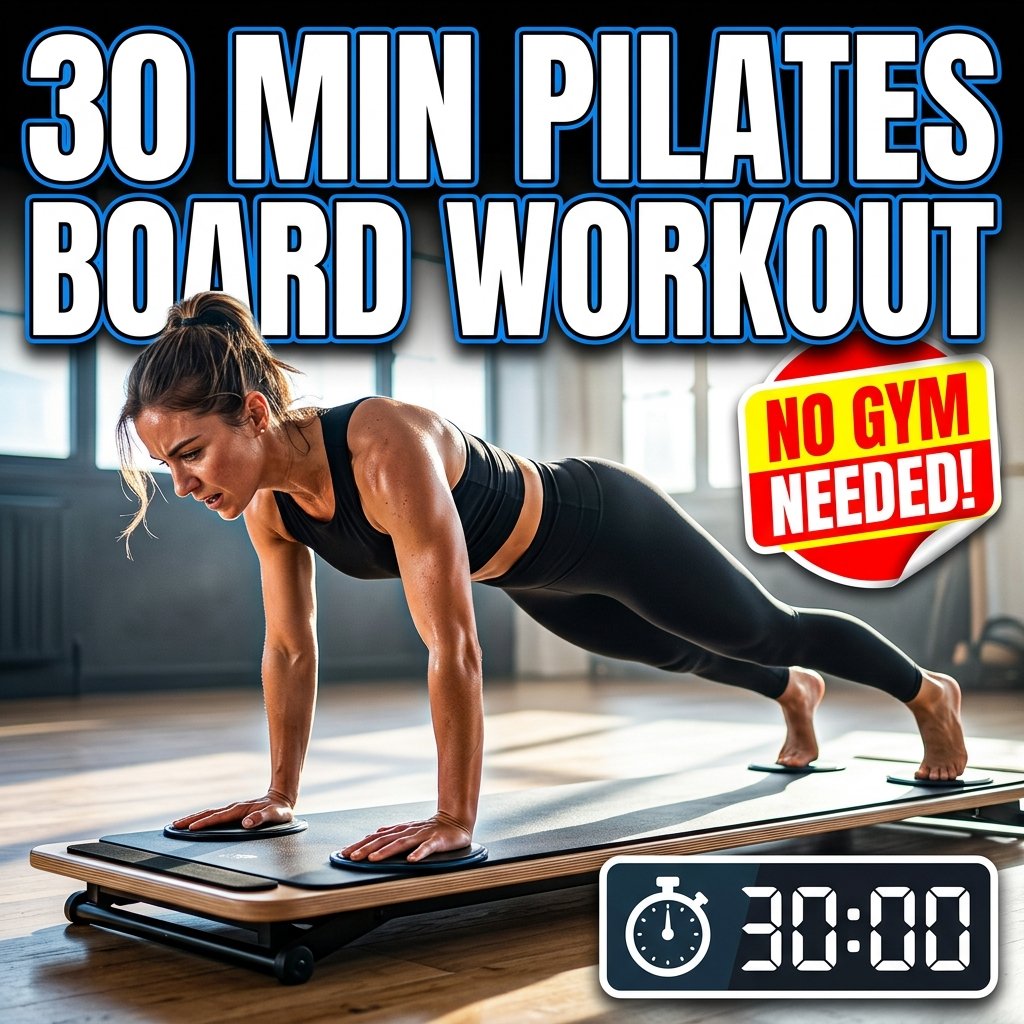
We are starting with the foundation. Get into a standard plank position with your forearms on the floor and your toes on the board. Make sure your hips are not sagging toward the ground or sticking up in the air. You want a straight line from your shoulders to your heels.
Once you are locked in, slowly push your toes backward so your body lengthens. You only need to move a few inches. The goal here is to keep your core completely rigid while your legs slide away from you. As soon as you feel your lower back start to arch, pull your knees back in.
If you are a beginner, you can drop your knees to the board and do a modified version. Just push your hands out instead, like an ab roller. The concept is exactly the same, but it takes some of the pressure off your lower back. I still do the modified version on days when I am feeling particularly tired.
2. Pikes for Lower Abs
Pikes are my absolute favorite, but they are incredibly humbling. Start in a high plank position on your hands, with your toes resting on the board. Your hands should be directly under your shoulders. Keeping your legs as straight as possible, pull your toes toward your hands.
Your hips will shoot straight up toward the ceiling, putting you into an upside-down shape. This movement is focused heavily on the lower abs, which are notoriously hard to target. Of all the pilates board exercises we cover, this one feels the most intense. You have to actively drag the board forward using your core, not your hip flexors.
If you feel it mainly in the front of your thighs, you are pulling from the wrong place. Try to imagine your belly button lifting you up into the air. If you need more tips on full-body wellness, I highly recommend checking out our wellness journey page for more inspiration.
3. Glute Bridge Rollouts
Let us flip over onto our backs for a moment. Doing pilates board exercises is not just about the front of your body. Your posterior chain is a massive part of your overall core strength. Lie on your back with your knees bent and your heels resting on the board.
Push your hips up into a bridge position, squeezing your glutes tightly at the top. Now, while keeping your hips elevated, slowly push the board away until your legs are almost straight. You will immediately feel your hamstrings scream. Once your legs are extended, dig your heels into the board and curl it back toward your glutes.
This is fantastic for fixing the muscle imbalances that come from sitting all day. Most of us have weak hamstrings and tight quads, and this move directly attacks that problem. If you cramp up, drop your hips, stretch it out, and try again with a smaller range of motion.
4. Knee Tucks
This is a slightly easier variation of the pike, but it still packs a punch. Get back into your high plank position with your toes on the board. Instead of keeping your legs straight, you are going to bend your knees and pull them directly toward your chest. Keep your hips relatively low, almost in line with your shoulders.
I like to do these at a moderate pace, but I always pause for one full second when my knees are tucked in. That pause forces an incredible contraction in your abs. When you push your legs back out, make sure you stop at a perfect plank. Do not let your hips sag past neutral.
For a fun variation, you can pull your knees toward your right elbow, then push back, and pull them to your left elbow. This brings your obliques into the mix. I always feel these the next day when I twist or bend over. They really carve out the sides of your waist.
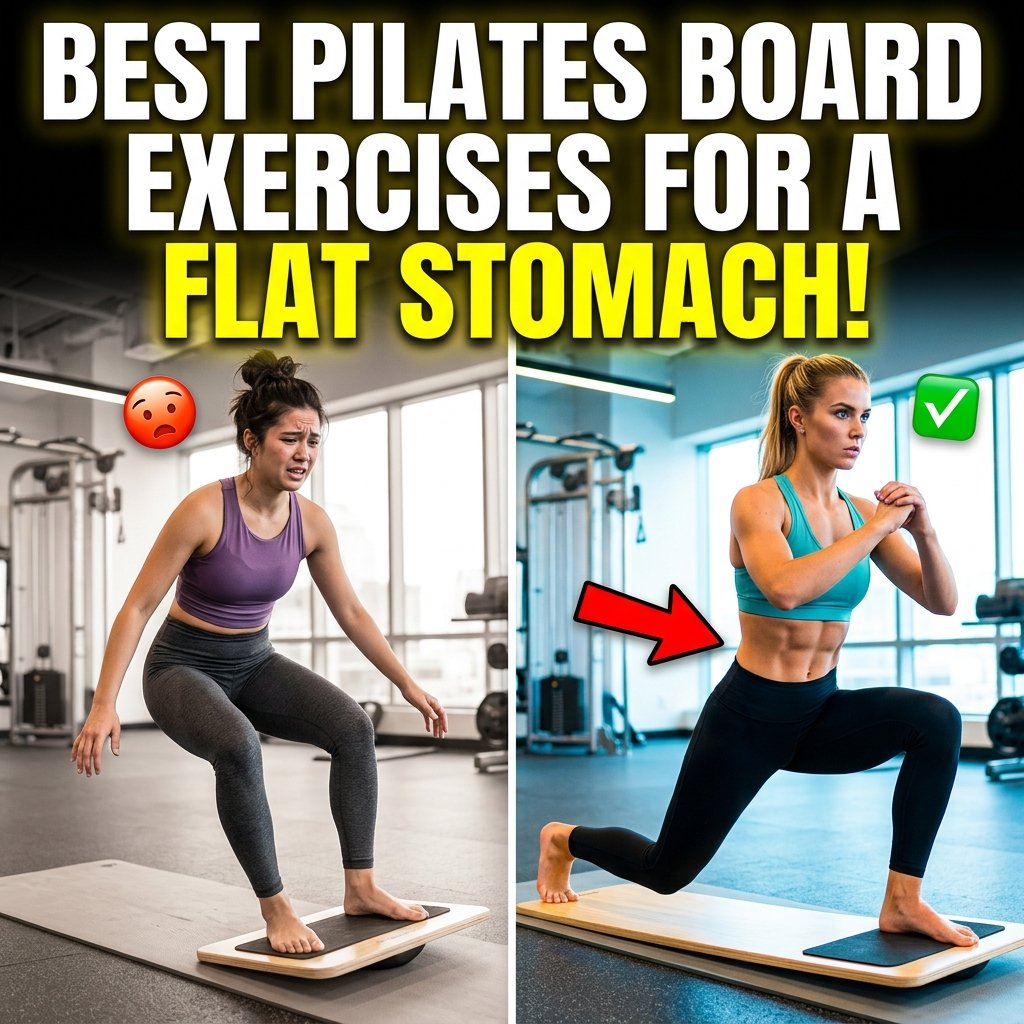
5. Side Lunge Glides
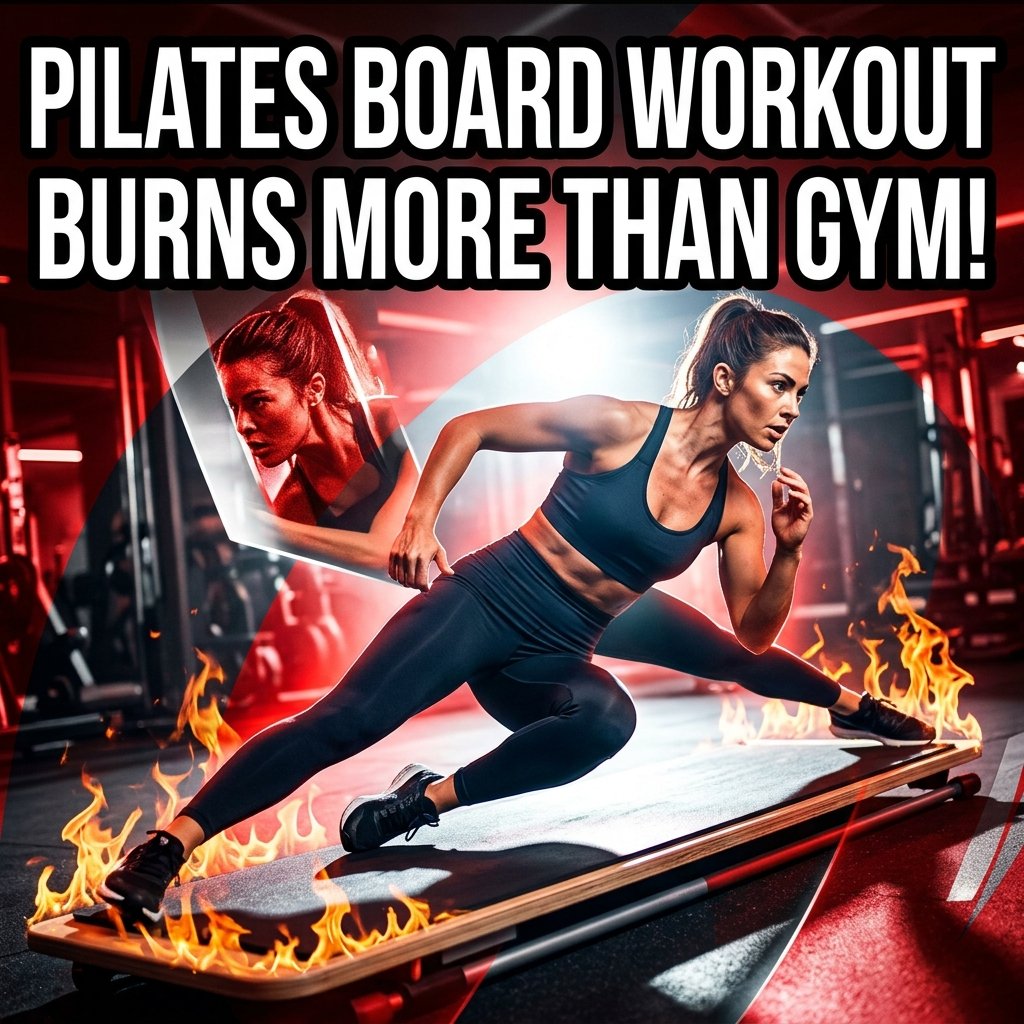
Let us stand up. The board is not just for floor work. Place one foot on the floor and the other foot on the board. Stand up tall, engage your core, and slowly bend the knee of the foot that is on the floor. As you do this, let the board slide out to the side.
You are essentially doing a side lunge, but the board removes all friction. The magic happens when you stand back up. You have to squeeze your inner thighs and use your core to pull the sliding leg back to the center. According to experts on strong core mechanics, working in lateral planes is incredibly beneficial.
I like to keep my hands clasped in front of my chest for balance. If you feel unsteady, hold onto a chair or a wall until you get the hang of it. Do twelve reps on one leg, then switch. Your inner thighs and lower abs will be absolutely burning by the end of the second set.
6. Mountain Climbers with a Twist
You have probably done mountain climbers on the floor, but doing them on a sliding surface is a whole new ballgame. Start in a high plank with both toes on the board. Since the board moves as a single unit, you cannot do standard alternating legs. Instead, you keep your feet together and twist your hips.
Pull both knees toward your right elbow, push back out to a plank, then pull both knees toward your left elbow. This is a rotational movement that targets the obliques heavily. The key is to keep your shoulders perfectly square to the floor. Only your lower half should be twisting.
I usually do these for time rather than reps. Set a timer for forty-five seconds and just keep moving. It gets your heart rate up significantly, adding a nice cardio element to the routine. The fact that your feet never leave the surface means there is zero impact on your joints.
7. The Teaser Prep
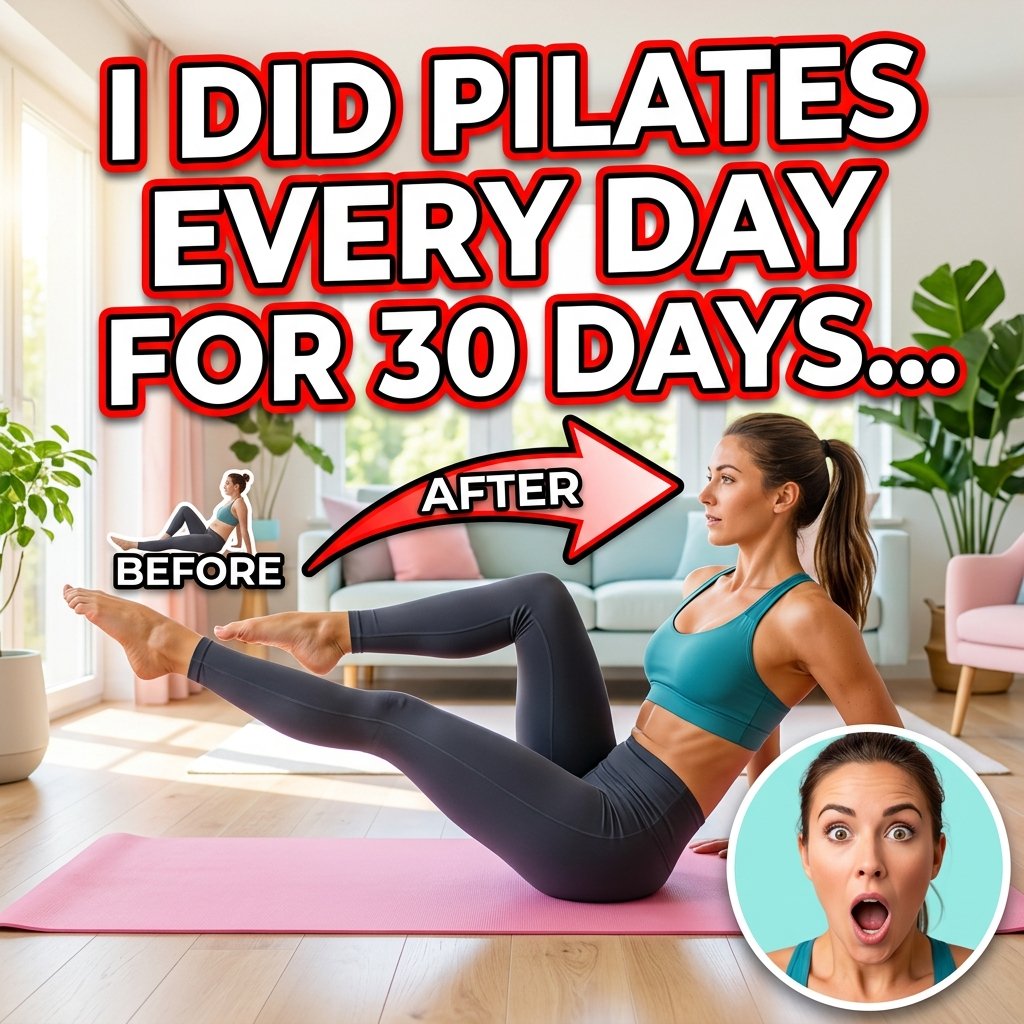
The teaser is a classic move, and the board makes it very interesting. Sit on the floor with your knees bent and feet flat on the board. Lean your torso back slightly until you feel your abs catch. Hold your arms straight out in front of you.
Now, push the board away so your legs straighten, while simultaneously leaning your torso a bit further back. Use your core to pull your knees back in and sit up slightly taller. You are essentially opening and closing your body like a folding chair. It requires a tremendous amount of balance.
There are so many pilates board exercises out there, but this one really tests your mind-muscle connection. You have to move your upper and lower body in perfect sync. If your lower back starts talking to you, do not go as far back. Keep the range of motion small until your core strength catches up.
8. Hamstring Curls
We are ending with another posterior chain burner. Lie on your back, hips up in a bridge, heels on the board. This time, push only your right leg out while keeping your left leg pulled in. Then switch. It is like you are pedaling a bicycle, but your hips are elevated the entire time.
You will quickly discover if one leg is stronger than the other. My right leg always wants to take over. By forcing them to work independently, you fix those strength imbalances. Keep your core tight so your hips do not rock side to side as you switch legs.
Burn out whatever energy you have left here. Once you finish your sets, drop your hips, pull your knees into your chest, and just breathe. You survived. Stretching afterward is incredibly important to avoid stiffness, so check out some resources on benefits of pilates recovery if you need ideas.
Making the Most Out of Your Routine
Consistency is everything. Doing this routine once will make you sore, but doing it twice a week for a month will change your body. I recommend keeping your board somewhere visible. If you tuck it away in a closet, you will never use it.
Remember that your diet plays a massive role in how your core looks. You can build all the abdominal muscle in the world, but if you are not eating well, you will never see the definition. Eat plenty of protein, drink a ton of water, and get enough sleep.
I hope you learned something today and that you are excited to try these pilates board exercises in your own living room. They are tough, they are sweaty, and they are absolutely worth the effort. Do not get discouraged if you feel clumsy at first. Just keep showing up and the strength will follow.
Read also:
Read also: Self-care tips you need to try
Why pilates board exercises is worth your attention
More people are discovering pilates board exercises every day, and for good reason. The results speak for themselves when you approach pilates board exercises with the right information. Whether you are brand new to pilates board exercises or have been exploring it for a while, there is always something useful to learn. Taking a consistent approach to pilates board exercises over time is what separates people who see results from those who give up too early.
The most important thing about pilates board exercises is that it does not have to be complicated. A few good habits, applied consistently, will take you further than an elaborate routine you cannot stick to.
Mastering pilates board exercises Today
Success with pilates board exercises comes down to avoiding common mistakes that many beginners make. When you first start learning about pilates board exercises, it is easy to get overwhelmed. However, if you keep things simple and focus on the basics of pilates board exercises, you will see progress faster than you expect. Many people give up on pilates board exercises too soon because they expect overnight results, but patience is key when working with pilates board exercises.
Frequently asked questions
What exactly is a pilates board?
It is a smooth, flat piece of equipment that typically rests on the floor, allowing you to slide your hands or feet across it. It removes friction from your movements, which forces your core muscles to engage continuously to keep you stable and in control.
Can beginners do these movements?
Absolutely. While the board adds a layer of instability, almost every movement can be modified. You can drop to your knees for planks or reduce the range of motion. The most important thing is to move slowly and prioritize your form over the number of reps you complete.
How often should I use the board?
I recommend starting with two days a week. Your core needs time to recover, especially since these movements target deep stabilizing muscles that you might not normally use. As you get stronger, you can increase it to three or four days a week.
Do I need shoes for this workout?
I prefer to go barefoot or wear grippy socks. Some boards come with booties to wear over your shoes, but working out barefoot allows you to grip the edges of the board with your toes, giving you much better control and stability during the exercises.
Will this help me lose belly fat?
Spot reduction is a myth, so you cannot only lose fat from your stomach. However, these routines will build strong abdominal muscles. When paired with a healthy diet and a caloric deficit, your core will look significantly more toned and defined as your overall body fat decreases.
Is it safe for bad knees?
For the most part, yes, because there is zero impact or jumping involved. However, movements like deep lunges might still cause discomfort. If a specific exercise hurts your joints, skip it. Stick to the floor-based ab movements that do not put any pressure on your knees.
How long does it take to see results?
If you are consistent, you will likely feel stronger within two weeks. Your posture will improve, and your back might ache less. Visible physical changes usually take about four to six weeks, depending on your starting point and your diet outside of your workouts.