Korean Face Care for Acne: 9 Best Gentle Steps That Actually Clear Skin
Based on our hands-on testing and professional beauty care experience,
If you are dealing with constant breakouts, you know how frustrating it gets when typical treatments just burn and dry out your face. I have been there, and I finally found a routine that heals rather than harms. A good korean face care for acne focuses on soothing the skin barrier instead of attacking the pimples with harsh chemicals.
“Consistency and gentle barrier care are far more effective in skincare and beauty routines than aggressive quick-fix treatments.”
– Dermatological & Beauty Care Insights
You have probably tried every drugstore spot treatment under the sun. Most of them contain high amounts of benzoyl peroxide or alcohol that leave your face red, peeling, and angry. That approach simply does not work for long term skin health. You end up treating the pimple but destroying the surrounding skin in the process.
Living with acne is already stressful enough without having to deal with painful, stinging skincare products. When your skin is constantly irritated, it cannot repair itself. Healing requires a calm environment. This is exactly why a gentler approach makes such a massive difference in how your skin behaves over time.
“Self-care isn’t a luxury; it’s a foundational daily ritual that restores mental balance and physical vitality.”
– Wellness & Beauty Philosophy
Why korean face care for acne is the answer
When you look at Western skincare methods, the primary goal is often to dry out the oil and kill the bacteria. But this aggressive method ignores the fact that your skin needs moisture to function properly. When you strip away all the natural oils, your oil glands panic. They start producing even more sebum to compensate for the dryness, which leads to clogged pores and more breakouts.
When you start using korean face care for acne, you immediately notice a shift. Instead of stripping away all your natural oils, these products add layers of hydration back in. They use calming ingredients to reduce inflammation first. A pimple is just an inflamed pore, so treating the inflammation is half the battle.
Another major benefit is the focus on prevention. Rather than waiting for a massive breakout to appear and then blasting it with strong acids, this routine keeps your pores clear and your barrier strong every single day. Consistent, gentle care creates an environment where breakouts struggle to form in the first place.
1. Start with an oil cleanser
I know what you are thinking. Putting oil on oily, breakout-prone skin sounds like a terrible idea. I thought the same thing for years. But oil attracts oil. Water cannot dissolve the natural sebum sitting in your pores, nor can it break down heavy sunscreens and makeup effectively. An oil-based cleanser breaks down all that surface gunk without pulling the necessary moisture from your barrier.
Look for lightweight oils like jojoba, sunflower, or grapeseed that wash off completely. You apply it to dry skin and gently massage it in for about a minute. This process helps dislodge blackheads and sebaceous filaments naturally, without any violent scrubbing. Take your time here. Massaging your face should feel like a mini spa treatment at the end of a long day.
Then you add a splash of water to emulsify the oil. It turns milky and rinses away cleanly. If you have never tried this step, it will completely change the texture of your skin. You will notice fewer clogged pores on your nose and chin almost immediately.
2. Follow up with a gentle water-based cleanser
This is the famous double cleanse method. You need a low pH water-based cleanser to remove any residue left by the oil cleanser and clear away water-based impurities like sweat. You want a cleanser that matches the natural acidity of your skin. Avoid anything that makes your face feel tight or squeaky clean after you dry it.
Tight skin means a damaged barrier, which leads to more oil production and more breakouts. Foaming cleansers are fine, but gel cleansers are usually a safer bet for sensitive, acne-prone types. They clean effectively without stripping away lipids. You can read more about skin barriers on authoritative sites like Healthline to understand why this matters so much. A compromised barrier is the root cause of many stubborn skin issues.
Taking sixty seconds to properly massage this second cleanser into your skin ensures you remove every last trace of dirt. Do not just slap it on and wash it off in five seconds. Give the ingredients time to work on your skin surface.
3. Apply a mild chemical exfoliant
Physical scrubs will tear your skin and spread bacteria from active pimples to other areas of your face. Walnut scrubs and apricot kernels have no place in a gentle routine. Chemical exfoliants like BHA are much better and much safer. BHA is oil-soluble, meaning it gets deep into your pores to dissolve dead skin cells and hardened sebum.
Use a BHA liquid two or three times a week right after cleansing. You do not need to use it every single day. Over-exfoliating is a fast track to more redness and irritation. Finding the right balance in your korean face care for acne is key. Start slow, see how your skin reacts, and increase the frequency only if you absolutely need it.
Apply the liquid with your fingers rather than a cotton pad. Cotton pads waste a lot of product and create unnecessary physical friction on already inflamed skin. Just pour a little into your palms and pat it gently over your entire face, focusing on areas prone to blackheads.
4. Pat in a hydrating essence
Essences are the backbone of this whole routine. They look like water but are packed with active ingredients that prep your face to absorb everything else better. Think of your skin like a sponge. A dry sponge repels water, but a damp sponge absorbs it instantly. Essences provide that base layer of hydration.
Snail mucin is a popular choice for healing acne scars and reducing redness. It sounds strange, but it is incredibly soothing and repairing. It helps rebuild the skin barrier and provides a beautiful, healthy glow. You pour a few drops into your hands and gently press it into your face until it fully absorbs.
You can even apply multiple layers of a watery essence if your skin feels exceptionally dehydrated. Wait a few seconds between each layer to let it sink in. This technique plumps up fine lines and makes your skin look incredibly fresh and bouncy.
5. Use a targeted treatment serum
This is where you tackle the active breakouts. But again, we are doing it gently. Instead of harsh drying lotions, look for serums containing centella asiatica, heartleaf, or mugwort. These are traditional ingredients known for their wound-healing and anti-inflammatory properties. They calm angry, red pimples overnight without causing flakes.
Tea tree oil is another great option, but use it sparingly as it can be drying if overused. Propolis is also amazing for fighting bacteria while providing intense moisture. Incorporating these soothing ingredients is what makes korean face care for acne so effective. You treat the problem while continuously supporting the health of the surrounding skin.
You do not have to use the same serum all over your face. You can apply a soothing centella serum to your cheeks where you have active breakouts, and a hydrating hyaluronic acid serum to drier areas like your forehead. Customizing your application yields the best results.
6. Use sheet masks for an extra boost
You do not need to do this every day. Once or twice a week is plenty for most people. Sheet masks force ingredients into your skin by preventing evaporation. They create a physical barrier that allows the serum to sink deeply into the epidermis. It is the ultimate quick fix for a compromised barrier.
Choose masks with green tea, aloe vera, or tea tree for calming effects. Keep them in the fridge before you use them. The cooling sensation instantly reduces inflammation and redness in active breakouts. Leave the mask on for about fifteen to twenty minutes, take it off, and pat the remaining serum into your neck and chest.
Do not leave the mask on until it dries completely. If the mask dries out, it will actually start pulling moisture back out of your skin, which completely defeats the purpose. Always remove it while it still feels damp.
7. Lock it all in with a lightweight moisturizer
Even if you are greasy, you need moisturizer. If you skip this step, your skin panics and produces more oil to compensate for the lack of surface hydration. You do not need a thick, heavy cream. Gel moisturizers or water creams are perfect for acne-prone individuals. They hydrate without clogging your pores.
Look for formulas packed with ceramides, panthenol, or hyaluronic acid to keep that barrier strong. You can learn more about picking the right moisturizers for acne-prone skin from WebMD. Apply a generous layer every morning and night to seal in all the goodness from your previous steps.
During the winter months, you might need something slightly heavier, especially if you use heating indoors. Pay attention to how your skin feels when you wake up. If it feels tight, you need a stronger moisturizer or an extra layer of hydrating essence before bed.
8. Spot treat with pimple patches
Hydrocolloid patches are absolute lifesavers. You pop one on a whitehead before bed, and by morning, it has sucked out all the fluid and flattened the bump. They work best on pimples that have come to a head.
More importantly, they stop you from picking at your face. We all know that popping pimples causes scarring and pushes bacteria deeper into the pore, but it is a hard habit to break. Covering the spot removes the temptation completely. They are a staple in any solid korean face care for acne routine.
Keep a pack in your bathroom cabinet and another in your bag. If you feel a spot coming up during the day, apply an invisible patch over it. Many of them are thin enough to wear under makeup without anyone noticing.
9. Never skip sunscreen
Acne leaves dark spots, and the sun makes those spots darker. Post-inflammatory hyperpigmentation lasts for months if you do not protect your face every single day. K-beauty sunscreens are elite because they do not leave a white cast, they do not smell like chemicals, and they feel like a light lotion.
Find a chemical or hybrid sunscreen that you actually enjoy wearing. Apply two fingers worth of product to your face and neck every morning as the final step in your routine. Reapply if you are spending time outdoors. This is the single most important step for preventing long-lasting acne scars.
Do not rely on the SPF in your makeup. You would have to apply a ridiculously thick layer of foundation to get the advertised sun protection. Always use a dedicated sunscreen underneath everything else.
Building consistency is everything
You cannot try this routine for three days and expect miracles. Skin takes about twenty-eight days to turn over completely. You have to give your products time to work. Introduce one new product at a time, spaced a few weeks apart. This way, you know exactly what works for you and what causes a negative reaction.
If you rush in and change your entire routine on day one, you will have no idea which product is helping and which one is breaking you out. Take your time and enjoy the process. Skincare should feel like a relaxing ritual, not a chore. If you want more general advice on maintaining your health and wellness journey, check out the resources over at The Self Care Online.
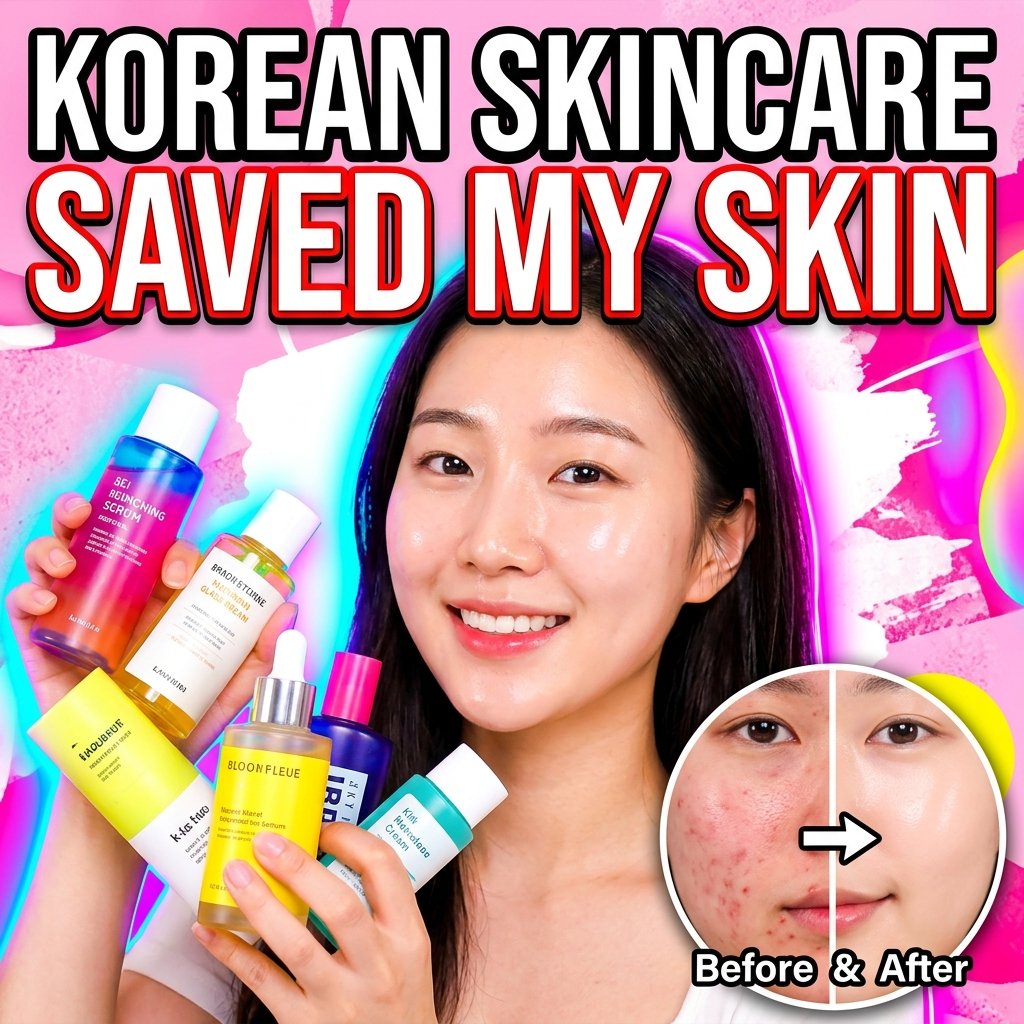
You will see results if you stay patient. Millions of people have transformed their skin by switching to this gentle, hydration-first approach. Just remember that less is often more. If your face feels irritated or sensitive, scale back on the active ingredients and focus purely on basic hydration and barrier repair. That is the true power of korean face care for acne.
Read also: Self-care tips you need to try
Frequently asked questions
Does double cleansing cause more acne?
No, double cleansing actually helps clear acne. The first step removes hardened sebum, sunscreen, and makeup, while the second step cleans the skin itself. Just make sure to use an oil cleanser that emulsifies completely with water and washes off without leaving a greasy film behind.
How long does it take to see results?
Most people notice less redness, hydration, and reduced irritation within a week. However, real changes in breakout frequency and fading of hyperpigmentation take at least four to six weeks of consistent use. You have to let your skin go through its natural renewal cycle.
Do I need to do all nine steps every single day?
Absolutely not. Steps like exfoliating and using sheet masks are only needed two or three times a week. The core daily steps are cleansing, moisturizing, and applying sunscreen. Listen to your skin and adjust the extra steps based on how your face feels that day.
Can I use strong actives like retinol with this routine?
You can, but you must be very careful. Do not use retinol on the same nights you use a chemical exfoliant like BHA. Always prioritize barrier health and deep hydration when incorporating strong active ingredients into a gentle routine.
Is snail mucin really good for breakouts?
Yes, snail mucin is fantastic for skin healing. It does not actively kill the bacteria causing the pimple, but it speeds up recovery, reduces inflammation, and helps fade the dark marks left behind after a breakout clears.
What should I do if a new product breaks me out?
Stop using it immediately and go back to a basic routine of just cleansing and moisturizing. This is exactly why you should only introduce one new product every week or two. That way, you know exactly which item caused the negative reaction and can avoid that ingredient in the future.
Should I pop my pimples if they have a white head?
No, you should never pop your pimples yourself. Squeezing forces bacteria and pus deeper into the skin, causing a larger infection and guaranteed scarring. Apply a hydrocolloid patch instead and let it pull the fluid out safely overnight.