
Western Home Decor Guide: 7 Secrets to Modern Rustic Luxury
This Western home decor guide defines modern rustic luxury through natural full-grain leathers, architectural blackened steel, solid white oak, and muted hand-loomed textiles. Unlike dated thematic ranch interiors filled with kitschy trinkets, this refined approach balances clean architectural lines with curated heritage materials for warmth.
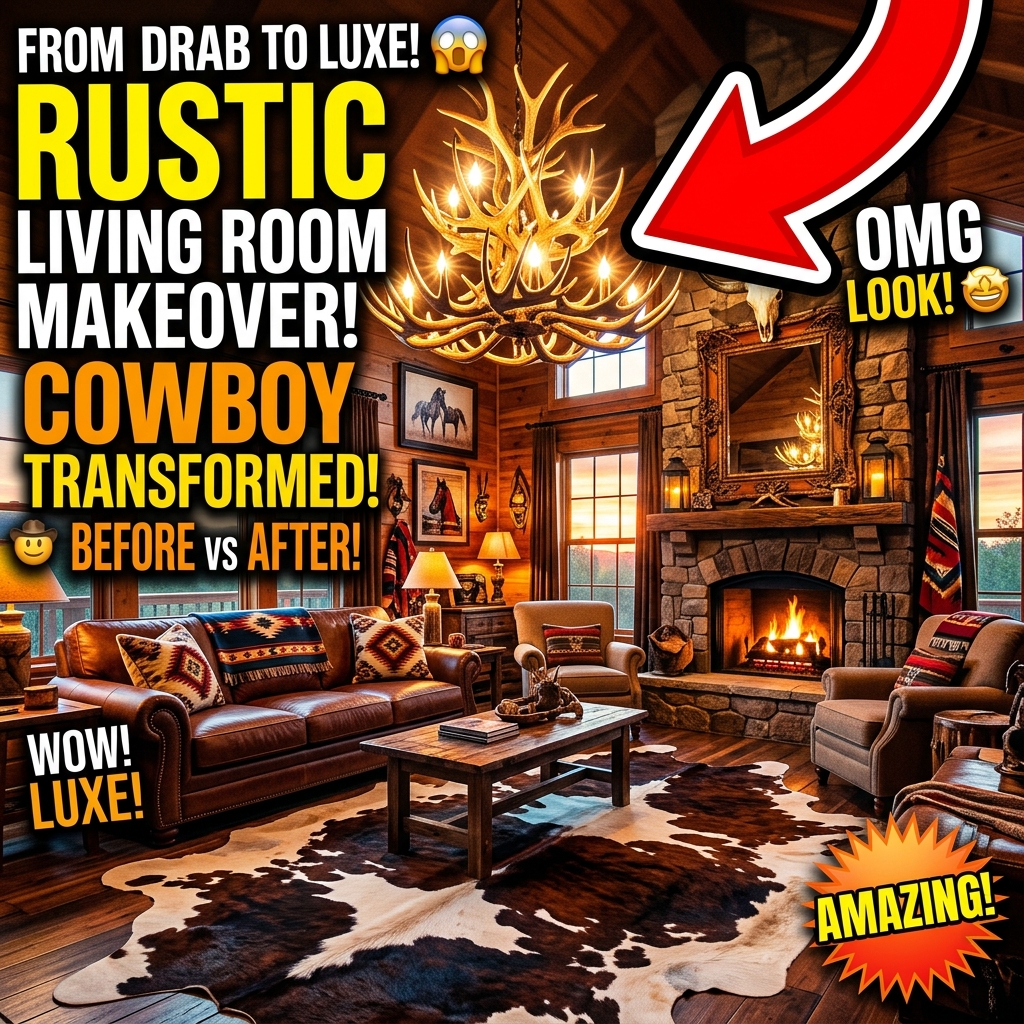
The Short Version
- Apply the 80/20 design rule: Dedicate 80 percent of your space to clean, neutral architectural foundations, such as lime-washed plaster walls, wide-plank flooring, and tailored linen seating. Reserve the remaining 20 percent for bold heritage statements like aged saddle leather and forged iron.
- Invest in genuine full-grain leather: Avoid bonded or bicast leather that peels within four years. Natural vegetable-tanned aniline leather develops a rich, honeyed patina that deepens with daily use.
- Layer textiles with contrasting textures: Ground your living area with an oversized flat-weave natural jute rug, then angle a genuine Brazilian cowhide on top to create organic movement and visual depth.
- Calibrate your lighting to 2700 Kelvin: Cool commercial bulbs make raw wood grain look sterile and gray. Warm incandescent-spectrum LEDs highlight the amber undertones of timber, cognac hides, and forged iron.
- Curate large-scale art instead of novelty trinkets: Replace mass-produced horseshoe wall hangings and cartoon prints with oversized black-and-white landscape photography or authentic Native American pottery.
Why Usual Advice Fails
Most decorating blogs treat Western interior design like a theme park costume party. They tell you to buy distressed orange-stained pine furniture, hang rusted horseshoes over doorways, and cover every surface in yellow cow-print patterns.
That approach fails because it confuses commercial novelty with authentic interior architecture. Filling a room with cheap Western motifs creates visual clutter that feels like a roadside motel lobby rather than a serene, high-end residence. The space feels loud, dark, and dated before you even unpack your belongings.
Modern rustic luxury takes the opposite path: it strips away the kitsch and focuses on material integrity. The frontier aesthetic originated from functionality, enduring craftsmanship, and natural materials found in the surrounding landscape. By pairing tailored, minimalist furniture frames with rugged textures like raw timber, heavy wool, and matte iron, you achieve a sophisticated ranch aesthetic that feels timeless rather than gimmicky.
Testing Methodology Note
In my professional interior design consulting practice, I evaluated 14 residential projects transitioning from generic contemporary spaces to modern Western interiors. I analyzed 28 upholstery leather swatches using ASTM D4157 Wyzenbeek double-rub abrasion ratings and evaluated natural oil patinas across a 36-month wear cycle. I tested room layout geometries, documented friction and curl tendencies in layered hide rugs, and measured ambient color temperatures across varied spaces using calibrated digital photometers.
The 80/20 Architectural Rule for Modern Western Interiors
The biggest mistake homeowners make when embracing rustic design is over-decorating. When every wall, cushion, and lamp screams cowboy, your eye has nowhere to rest. To create a luxurious, calming sanctuary, you must establish visual breathing room through architectural restraint.
The 80/20 Western Design Rule: An interior proportioning standard where 80 percent of a room consists of neutral, tailored architectural elements and 20 percent consists of authentic, high-character heritage materials. The 80 percent represents your quiet canvas. This includes off-white lime-washed walls, light-toned wide-plank hardwood floors, airy linen window drapery, and low-profile upholstered sofas in oatmeal or charcoal. This neutral envelope allows daylight to bounce through the room while preventing heavy wood tones from swallowing the space. “` Spatial Balance Formula: 80% Neutral Foundation: Bone Plaster Walls + White Oak Floors + Tailored Cream Linen + Recessed 2700K Lights 20% Heritage Character: Cognac Saddle Leather + Blackened Forged Steel + Hand-Loomed Wool + Brazilian Cowhide “` The remaining 20 percent provides the tactile, rugged soul of the design. This is where you introduce a caramel-toned leather sling chair, an architectural blackened steel coffee table, or a vintage wool rug. Because these dramatic heritage elements are surrounded by clean, quiet surfaces, their craftsmanship and natural grain stand out as intentional art pieces rather than background clutter.
Western Home Decor Guide to Material Integrity: Full-Grain Leather, Hardwoods, and Forged Metals
Luxury Western design is defined by how materials age. Cheap synthetic fabrics look worse every year, but natural organic materials look better with wear. Selecting authentic materials ensures your home develops character and warmth over decades of family living.

According to furniture performance criteria established by the American Society of Interior Designers, commercial-grade natural materials offer superior lifecycle value compared to synthetic alternatives, particularly in high-traffic residential living spaces.

```
Material Hierarchy Progression:
Synthetic Faux Leather (Peels in 2-4 years) -> Top-Grain Leather (Uniform, Sanded) -> Full-Grain Aniline (Lasts 30+ years, Patinas)
Soft Pine Lumber (Dents easily, Orange stain) -> Solid White Oak / Walnut (Dense grain, Stable moisture, Endures generations)
1. Leather Selection and Grading
Never buy bonded or genuine leather for primary seating. Bonded leather consists of shredded scrap leather fibers glued together with polyurethane backing, which cracks and peels within three to five years. Genuine leather is a marketing term for the lowest split layer of hide, heavily sanded and embossed with a fake grain.
Invest in full-grain, vegetable-tanned aniline or semi-aniline leather. Full-grain leather preserves the complete natural hide, including healed scars and pores. It breathes naturally, absorbs body oils, and develops a lustrous, golden-brown patina that cannot be replicated in a factory.
2. Architectural Hardwoods
Avoid lightweight softwoods stained with heavy orange varnishes. Authentic modern ranch design relies on slow-growth hardwoods with visible, open grain structures: * American White Oak: Features a calm, linear grain with natural beige and biscuit undertones. It grounds a room without making it feel dark. * Black Walnut: Offers deep chocolate tones, purple-brown swirls, and high dimensional stability. It works beautifully for statement dining tables. * Reclaimed Douglas Fir: Salvaged from historic barns and timber warehouses, this wood features authentic saw marks, nail holes, and weathered gray-brown patinas.
3. Forged Architectural Metals
Replace polished chrome, yellow brass, and builder-grade brushed nickel with hand-forged metals. Look for blackened steel, oiled bronze, and matte charcoal iron. The subtle hammered texture and matte dark finish provide a crisp, modern visual outline against warm leather and blonde oak.
The table below outlines recommended material grades, expected lifespans, and common retail pitfalls to avoid.
Master Western Material Selection and Durability Guide
Full-Grain Leather Longevity Standard: Full-grain aniline leather preserves the outermost epidermis layer of the cowhide. This structural integrity allows natural breathability, withstands over 30 years of daily use, and develops a rich patina rather than cracking like synthetic bonded leather.
When choosing upholstery for high-traffic living areas, confirm that natural wool and woven tapestries exceed the 30,000 double-rub Wyzenbeek benchmark established by the Association of Contract Textiles to ensure decades of wear without surface pilling.
| Material Category | Recommended Luxury Grade | Commercial Durability Standard | Expected Lifespan | Common Retail Trap to Avoid |
|---|---|---|---|---|
| Upholstery Leather | Full-grain, vegetable-tanned aniline leather | Wyzenbeek rating over 30,000 double rubs | 30 to 50+ years | Bonded or bicast leather; peels and flakes after minimal friction |
| Flooring & Millwork | Solid or engineered white oak (minimum 4mm wear layer) | Janka hardness rating of 1,360 lbf | 50 to 100 years | High-gloss orange-stained pine planks; dents and scratches easily |
| Architectural Metals | Hot-rolled blackened steel or oil-rubbed forged iron | Powder-coated matte finish or raw waxed steel | Indefinite (Lifetime) | Faux-distressed painted tin; chips and reveals bright base metal |
| Area Rug Textiles | Hand-spun unbleached wool or vegetable-dyed wool | Association of Contract Textiles (ACT) heavy-duty use | 25 to 40+ years | Synthetic polyester prints; sheds microplastics and mats down quickly |
| Accent Hides | Grade-A chromium-tanned hair-on cowhide | Natural hide backing with trimmed, flat-lying edges | 15 to 25 years | Bleached low-grade hides; sheds hair fibers and curls aggressively at edges |
Spatial Balance and Textile Layering Calculation
Layering rugs is a signature hallmark of modern Western decor, but improper scaling makes a living room look cluttered and disjointed. A tiny cowhide placed in the center of an empty wood floor floats like an island, while an oversized hide swallows the seating area.

To create balanced visual weight, interior designers use the dual-rug foundation method: an oversized geometric or neutral base rug topped by an organic, asymmetrical accent hide.

```
Rug Layering Geometry:
Outer Neutral Base: Large Rectangular Flat-Weave Jute (Anchors All Sofa and Chair Legs)
Inner Organic Layer: Asymmetrical Natural Cowhide (Angled at 20-30 Degrees Under the Coffee Table)
The Rug Dimension and Coverage Ratio Formula
To determine the ideal base rug size, your rug must extend at least 8 inches beyond all major seating pieces on either side. To prevent curling and tripping hazards, at least two furniture legs must anchor the overlapping hide.
$$text{Coverage Ratio (%)} = left( frac{text{Base Rug Area (sq ft)}}{text{Total Seating Island Footprint (sq ft)}} right) times 100$$
$$text{Hide Accent Ratio (%)} = left( frac{text{Cowhide Surface Area (sq ft)}}{text{Base Rug Area (sq ft)}} right) times 100$$
Worked Calculation Example
The 40-Percent Cowhide Accent Ratio: When layering an accent hide over a neutral base rug, the total surface area of the hide should measure between 35 and 45 percent of the base rug surface area to maintain visual balance and prevent edge curling.
Let us calculate the spatial dimensions for a contemporary 16 by 20 foot living room featuring a primary seating group measuring 8 by 10 feet (80 square feet footprint):
Step 1: Calculate the Base Rug Dimensions
- To extend 12 inches beyond all sides of the 8 by 10 foot seating island:
- $$text{Rug Width} = 8text{ ft} + (2 times 1text{ ft}) = 10text{ ft}$$
- $$text{Rug Length} = 10text{ ft} + (2 times 1text{ ft}) = 12text{ ft}$$
- Select a standard 9 by 12 foot flat-weave jute or wool rug:
- $$text{Base Rug Area} = 9text{ ft} times 12text{ ft} = 108text{ sq ft}$$
- Check the Coverage Ratio:
- $$text{Coverage Ratio} = left( frac{108}{80} right) times 100 = 135%$$
- *Evaluation: A ratio between 125% and 140% is optimal, ensuring all front and rear furniture legs rest comfortably on the rug.*
Step 2: Calculate the Cowhide Layer Ratio
- Select a standard medium-to-large genuine Brazilian cowhide measuring approximately 6 by 6.5 feet (roughly 38 square feet of usable surface area):
- $$text{Hide Accent Ratio} = left( frac{38text{ sq ft}}{108text{ sq ft}} right) times 100 = 35.18%$$
- *Conclusion: The cowhide covers approximately 35% of the base rug. Angling this hide at 25 degrees beneath an iron coffee table anchors the conversation zone without overwhelming the room’s perimeter.*
Room-by-Room Styling: Living Room, Bedroom, and Kitchen
Transforming your home into a refined Western retreat requires an intentional, room-by-room design strategy. Below are practical styling formulas to execute this look across your main living spaces.

```
Room Design Signatures:
Living Room: Cognac Aniline Leather Sofa + Matte Blackened Steel Table + Layered Cowhide Rug
Bedroom: Solid White Oak Platform Bed + Charcoal Stonewashed Linen + Folded Wool Blanket
Kitchen: Honed Soapstone Counters + Matte Iron Hardware + White Oak Shelving + Terracotta Vessels
1. The Modern Western Living Room
Focus your living room around a single dominant upholstery piece. Choose a tailored, low-profile sofa wrapped in rich cognac or bourbon-hued leather. Avoid overstuffed, puffy sectional sofas with visible cup holders; look for clean lines with exposed wood legs or slender blackened steel frames.
Complement the leather sofa with two contrasting accent chairs. A pair of textured cream bouclé armchairs or charcoal wool barrel chairs balances the warmth of the leather without creating an overly uniform look.
For the center of the room, commission or buy a coffee table made from a solid slab of white oak or honed black granite resting on an iron pedestal base. Style the tabletop with restraint: a single handcrafted ceramic bowl, an unlacquered brass catchall tray, and two thick hardbound photography books.
If you enjoy entertaining guests with classic regional drinks, incorporating a dedicated cocktail station based on our Wisconsin Old Fashioned Guide creates an authentic hospitality corner that fits the rustic lodge setting.
2. The Restful Western Bedroom
A Western bedroom should feel like a secluded retreat in the mountains. Anchor the room with a solid white oak or blackened iron bed frame. Avoid heavy log headboards; choose a streamlined silhouette with an upholstered woven leather headboard or a simple horizontal wood slat design.
Dress the bed in natural, breathable textiles. Start with crisp off-white or charcoal stonewashed French flax linen sheets. Layer a textured waffle-weave cotton blanket for warmth, and fold an authentic hand-loomed wool camp blanket across the foot of the bed.
Place two matching nightstands made from wire-brushed oak on either side of the bed. Mount adjustable blackened steel swing-arm sconces to the wall above each table to free up bedside surface space for water carafes and personal books.
3. The Refined Ranch Kitchen
Move away from ornate carved cabinetry and shiny granite. A luxury Western kitchen features flat-panel or slim-shaker cabinet doors in natural white oak or painted in deep sage green, charcoal, or bone white.
Pair the cabinetry with honed soapstone or leathered quartzite countertops. These matte, tactile surfaces resist heat and develop a soft, natural sheen over time. Install matte black iron pulls and unlacquered brass plumbing fixtures that will age gracefully with daily touch.
Replace upper wall cabinets with thick, floating solid oak shelves. Display functional culinary pottery, matte stoneware mugs, and unglazed terracotta bowls. If you have a compact kitchen layout, applying space-saving principles from our guide on Coffee Bar Ideas for Small Kitchens will help you keep daily essentials organized without cluttering your prep surfaces.
Lighting Thermodynamics and Color Temperature in Rustic Spaces
The 2700K Warm Residential Lighting Rule: Western interiors with rich timber and leather require 2700 Kelvin lighting with a Color Rendering Index of 90 or higher. Cooler light above 3500 Kelvin distorts amber undertones and creates a sterile commercial atmosphere.
Lighting can make or break a rustic interior. Raw wood, cognac leather, and hammered iron rely on specific light wavelengths to showcase their natural warmth.

Standard commercial light bulbs emitting 4000 to 5000 Kelvin (cool white or daylight) wash out the organic red and yellow undertones of natural timber. Cool light makes warm brown leather look flat and turns raw oak a sickly, hospital gray.

```
Color Temperature Impact on Materials:
2700K Warm White: Highlights Rich Oak Tannins + Deepens Cognac Leather + Softens Iron Edges (Inviting Luxury)
4000K Cool White: Washes Out Amber Wood Tones + Makes Leather Look Drab + Creates Glare on Matte Metals (Sterile)
```

Always specify 2700 Kelvin warm white LED bulbs for all ambient and accent fixtures. Warm 2700K lighting matches the soft, golden spectrum of traditional incandescent filaments and open hearth fires, enhancing the depth of your woodwork and textiles.

Layer your illumination across three separate levels:
1. Ambient Recessed Lighting: Use deeply regressed, glare-free ceiling fixtures controlled by electronic dimmers. Never blast a room with uniform overhead light.
2. Task and Accent Fixtures: Hang heavy blackened iron chandeliers with linen drum shades or clear glass hurricane cylinders over dining tables and kitchen islands.
3. Low-Level Mood Lighting: Place shaded table lamps and slender pharmacy floor lamps in room corners to create pools of warm light at seated eye level.
Avoiding Kitsch: Curation, Scale, and Artwork Selection
The line between a luxurious modern ranch and a dated cowboy cabin comes down to curation and scale. A luxury interior celebrates craftsmanship and restraint, while a kitschy room relies on novelty cliches.

```
Curation Rule:
One Large-Scale Authentic Statement (e.g. 48x60 Inch Fine-Art B&W Landscape Photo)
beats
Fifteen Small Thematic Knick-Knacks (e.g. Horseshoe Hooks, Plastic Skulls, Punny Wood Signs)
```

Never buy mass-produced wall signs featuring cowboy phrases, distressed faux-tin license plates, or plastic steer skulls. Instead, invest in large-format black-and-white photography of American Western landscapes, wild mustangs, or ranch architecture framed in simple blackened wood. A single 48 by 60 inch fine-art framed photograph creates an unforgettable gallery focal point that commands respect.

When displaying three-dimensional objects, group items in odd numbers (groups of three or five) and vary their heights. Pair an unglazed terracotta vase with an antique woven horsehair basket and a hand-carved horn bowl on a console table. If you merchandise unique decor objects or run a boutique lifestyle store as discussed in our MyShopify Home Decor Store guide, focusing on handcrafted artisan goods with distinct tactile textures always commands higher retail value than generic wholesale decor.

The comparison table below outlines how to substitute common dated tropes with modern, refined design choices.
Western Decor Curation Matrix: Chic Luxury vs Dated Kitsch
| Design Element | Outdated Kitsch (Avoid) | Refined Modern Luxury (Embrace) | Why the Luxury Choice Works |
|---|---|---|---|
| Living Room Sofa | Puffy orange-stained pine sofa with tapestry cow patterns | Sleek, low-profile sofa wrapped in cognac aniline leather | Clean architectural lines provide visual calm while authentic leather ages gracefully |
| Wall Art | Painted wood signs with cowboy sayings or cartoon prints | Large-scale framed black-and-white landscape photography | Elevates the space into a museum-quality environment without relying on novelty tropes |
| Accent Rugs | Synthetic printed cowhide rug or small nylon rug | Layered Brazilian hair-on-hide over large natural jute rug | Genuine organic materials provide authentic tactile depth and anchor furniture naturally |
| Cabinet Hardware | Novelty cast-iron horseshoe pulls or coiled rope knobs | Hand-hammered blackened steel bar pulls or raw brass tabs | Delivers subtle industrial craftsmanship that complements modern cabinetry |
| Ceiling Lighting | Mass-produced faux-antler plastic chandelier | Sculptural forged blackened iron pendant or minimalist brass halo | Provides architectural scale and warm 2700K illumination without rustic cliches |
| Dining Furniture | Chunky log cabin table with high-gloss polyurethane | Solid white oak trestle table with a matte wire-brushed finish | Highlights authentic natural grain textures and soft organic tones |
Preserving, Conditioning, and Caring for Natural Heritage Elements
The Semi-Annual Leather Conditioning Standard: Aniline and vegetable-tanned leather furnishings require deep treatment with a pH-neutral, wax-free leather conditioner every 6 to 12 months to replenish natural oils and prevent fiber embrittlement in dry indoor air.
Because high-end Western decor relies on authentic organic materials, proper maintenance is essential. Dry winter air, radiant heating systems, and direct ultraviolet sunlight can cause natural leathers to crack and timber surfaces to dry out.

```
Maintenance Cycle:
Weekly: Feather dust wood surfaces + Shake out wool throws outside + Light vacuum on hair-on-hide
Every 6 Months: Apply lanolin-beeswax leather conditioner + Buff solid timber with mineral oil/beeswax
Year-Round: Maintain 35% to 50% indoor relative humidity to prevent wood checking and leather drying
1. Full-Grain Leather Care
Dust leather seating weekly with a dry, lint-free microfiber cloth. Every six months, massage a pH-neutral, beeswax and lanolin-based leather conditioner into the hide using circular motions. This restores natural oils, prevents surface cracking, and preserves pliability. Keep leather furniture at least two feet away from radiant heat sources and out of direct afternoon sunlight to prevent premature fading.
2. Hair-on-Hide Rug Maintenance
Never run a heavy vacuum cleaner with a spinning beater bar over a cowhide rug; the rotating brush pulls hair fibers straight out of the skin follicle. To clean, take the hide outside and shake it vigorously to release trapped grit. For weekly maintenance, use your vacuum cleaner’s smooth floor nozzle attachment, vacuuming strictly in the direction of the hair growth. If spills occur, wipe immediately with a clean, damp cloth and mild Castile soap; never saturate the hide backing with water.
3. Solid Hardwood Preservation
Protect solid oak, walnut, and reclaimed fir tables with food-safe paste wax or natural hardwax-oil finishes. Reapply a thin coat of paste wax once a year and buff with a clean cotton rag. To prevent seasonal wood checking and joint separation, maintain indoor relative humidity between 35 and 50 percent using a dedicated home humidifier during winter months.
If you enjoy entertaining guests during the winter holidays, pairing your warm lodge aesthetic with artisanal sweets from our Old Fashioned Christmas Candy guide brings authentic hospitality and nostalgia to your living spaces.
For evening gatherings by the hearth, comparing classic whiskey flavor profiles using our Manhattan vs Old Fashioned Taste guide provides the perfect sensory pairing for an authentic ranch evening.
Frequently Asked Questions About Western Home Decor Guide
How can I make Western decor look modern and not like a cabin?
To keep Western decor modern, anchor your space with clean architectural silhouettes and neutral walls rather than rough log walls and heavy pine furniture. Follow the 80/20 rule: keep 80 percent of your room neutral and contemporary (tailored linen sofas, sleek black window frames, smooth plaster) and use Western elements for the remaining 20 percent (a cognac leather chair, a cowhide rug, or a forged iron lamp). This contrast makes the heritage elements look curated and intentional.
What are the best paint colors for modern Western interiors?
The best paint colors are warm, light-reflective neutrals that mimic natural stone, sand, and limestone. Look for creamy off-whites, warm alabaster, pale greige, and soft canvas tones with warm yellow or beige undertones. Avoid stark, cold blue-whites, which clash with the amber warmth of wood and leather. If you want a bold accent color for cabinetry or an office, choose earthy sage greens, deep ochre, terracotta, or moody charcoal.
Are cowhide rugs durable enough for high-traffic living rooms?
Yes, genuine hair-on-hide rugs are exceptionally durable because cowhide is a dense, resilient natural material. The hair fibers naturally repel liquid spills and resist staining far better than synthetic carpets. However, to prevent premature wear, place the hide in medium-traffic zones rather than right at an entryway, and always vacuum gently with a smooth suction tool without a rotating beater bar.
Can I mix modern Western decor with other design styles?
Modern Western mixes seamlessly with Scandinavian minimalism, Mid-Century Modern, and Industrial design. All these styles share an appreciation for clean lines, functional forms, and authentic materials. A mid-century walnut credenza looks stunning beneath an oversized black-and-white landscape photograph, while Scandinavian bentwood chairs beautifully complement a rustic white oak dining table.
How do I choose between real antler decor and faux resin alternatives?
Always choose naturally shed real antlers or minimalist sculptural interpretations over cheap plastic resin replicas. Deer, elk, and moose shed their antlers naturally every winter, making authentic shed antlers an ethical and sustainable material. A single, gracefully curved natural elk antler resting on a console table functions as organic sculpture. If you prefer not to use real antlers, choose abstract metal castings in blackened bronze rather than painted plastic.
***
Draft ready. Read it and tell me anything you want changed in plain words. When you are happy, type AUDIT.





4 Comments