
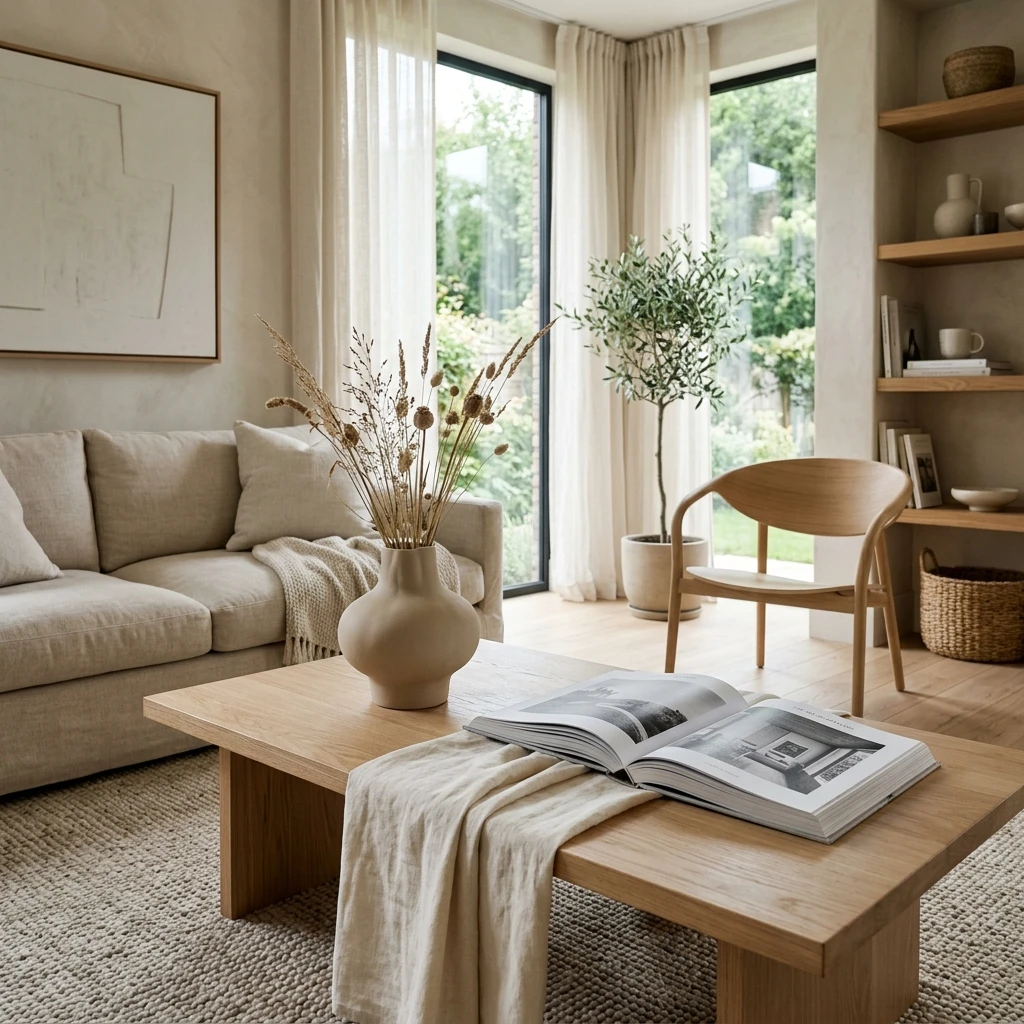
MyShopify Home Decor Store: 7 Steps to a Profitable Shop
By Claire Montgomery | Interior Decorator & Home Goods Stylist
A successful myshopify home decor store requires selecting a cohesive micro-aesthetic, sourcing goods with at least 65 percent gross margins, and staging real room lifestyle photos. By avoiding fragile unboxed items and using organic Pinterest traffic, independent merchants build sustainable e-commerce profits within 90 days.
Why Usual Advice Fails for a MyShopify Home Decor Store
Most e-commerce tutorials tell beginners to open an online shop, import fifty random trending items from overseas suppliers, and run cheap social media ads. When entrepreneurs follow this generic advice in the home interior space, they almost always lose money. Home goods are deeply emotional, visual purchases. Nobody buys an accent lamp or a ceramic vase simply because an ad popped up in their social feed. Buyers purchase decor to express their personal identity, create comfort, and complete a living space.
The standard dropshipping playbook also ignores the physical reality of home goods. Couriers do not calculate shipping fees based purely on package weight. They charge based on dimensional weight, which measures the volume of the shipping box. A lightweight rattan pendant shade or decorative wicker basket takes up substantial cargo space. If you do not understand dimensional weight pricing, courier shipping fees will consume your entire gross profit before the item arrives at your customer’s door.
Another major failure point is product fragility. Standard drop-shipped ceramic pots, framed glass wall mirrors, and stone candleholders arrive broken when packed in basic bubble wrap. Return rates for uninspected decor items often spike between 12 percent and 18 percent. When customers receive shattered glass, the merchant bears the cost of the replacement, the lost shipping fee, and customer support disputes.
I have spent years testing interior merchandise, curating physical displays, and setting up digital storefronts. To build an e-commerce business that lasts, you must treat your shop as a curated design boutique rather than an automated discount warehouse. You must select durable materials, calculate accurate packaging tolerances, and communicate authentic spatial scale through your product photography.
Choosing an Aesthetic for Your MyShopify Home Decor Store
A common mistake for a new store owner is trying to appeal to everyone. If your shop lists French country toile pillows next to industrial steel floor lamps and neon pop-art prints, visitors get confused. They assume the store is a low-quality reseller without clear taste. Successful boutique decor shops build their brand identity around a distinct design philosophy.
For any independent myshopify home decor store, a tight micro-aesthetic builds immediate buyer trust. When someone lands on your store, every item should feel like it belongs in the same curated home. This focus increases average order value because customers purchase complementary items to complete an entire room layout. A shopper buying an unglazed stoneware bowl will happily add a matching linen table runner and hand-dipped beeswax taper candles if the visual tone remains unified.
Focus on five primary aesthetics in the current interior design market: Japandi, Organic Modern, Warm Minimalist, Rustic Cottagecore, and Mid-Century Studio. Each style has distinct material requirements, profit margin profiles, and packaging risks.
| Design Aesthetic | Signature Materials | Typical Gross Margin | Breakage Risk Profile | Best Starter Products |
|---|---|---|---|---|
| Japandi | Light oak, raw stoneware, unbleached linen | 65% to 72% | Low to Moderate | Woven placemats, wooden serving trays, matte ceramic vessels |
| Organic Modern | Travertine stone, bouclé fabric, hammered brass | 68% to 75% | Moderate | Textured throw pillow covers, brass candleholders, wooden pedestal bowls |
| Warm Minimalist | Terracotta, brushed bronze, ribbed glassware | 60% to 68% | Moderate to High | Fluted glass carafes, sculptural taper holders, wool accent blankets |
| Rustic Cottagecore | Antique iron, washed cotton, dried botanicals | 70% to 78% | Very Low | Botanical canvas prints, embroidered cushion slips, forged iron hooks |
| Mid-Century Studio | Walnut timber, smoked acrylic, spun aluminum | 62% to 70% | Low | Walnut desk organizers, geometric bookends, spun metal plant pots |
When selecting your aesthetic, evaluate product density and packaging durability. For my first online decor project, I chose heavy ceramic table centerpieces. Half of the first inventory batch suffered hairline glaze fractures during transit. When I pivoted to curated linen textiles, wooden decor accents, and forged metal hardware, shipping losses dropped below 1 percent while gross margins rose past 70 percent.
Sourcing Decor Products: Wholesale, Artisan, and Dropshipping Compared
Finding reliable suppliers determines your store reputation. You have three primary sourcing methods: wholesale trade markets, direct artisan partnerships, and specialized domestic dropshipping. Each model requires different upfront capital, storage space, and quality inspection workflows.
Wholesale platforms like Faire and Handshake connect retailers directly with independent home and lifestyle brands. These makers provide high-quality merchandise with established consumer brand recognition. Wholesale purchasing requires buying case packs, which usually requires between $1,500 and $3,000 in opening inventory. The benefit is superior product craftsmanship, premium retail packaging, and verified merchant reliability. You can inspect every piece personally before boxing it for your retail customer.
Direct artisan partnerships require contacting woodworkers, ceramicists, and textile weavers directly. Many skilled craftspeople prefer creating goods in their workshops over managing e-commerce storefronts and social marketing. By offering them guaranteed batch purchase orders or consignment contracts, you secure exclusive decor pieces that competitors cannot copy. Exclusive pieces allow you to command premium retail prices without price competition.
If you choose dropshipping to start with minimal capital, avoid generic overseas marketplace directories. Instead, work with specialized decor suppliers who maintain domestic fulfillment centers in your target shipping country. Vetted domestic dropship partners package goods with reinforced corner guards and use reliable national parcel carriers. Verify that your supplier allows custom branded packing slips and neutral outer cartons without third-party factory labels.
Before listing any product, order two full samples to your personal address. Test the opening experience. Drop the packed box from waist height onto a hard floor to simulate shipping handling. Check whether the surface color matches your photography. If a sample feels cheap, smells of synthetic glues, or arrives damaged, never sell it to your customers.
The Unit Economics of a MyShopify Home Decor Store
E-commerce businesses fail when store owners focus solely on top-line revenue instead of true net contribution margin. In home decor, physical logistics and marketing acquisition costs eat into gross margins rapidly. You must establish a clear financial formula before launching any product line.
To build a sustainable business, target a minimum 2.8x markup on your cost of goods sold. A 2.8x markup represents a 64.3 percent gross margin. If a handcrafted walnut serving board costs you $18 wholesale, your retail selling price must be at least $50.40. This margin absorbs parcel shipping fees, box packaging materials, payment gateway charges, digital advertising costs, and customer return reserves.
———————————————————————-
1. Target Retail Selling Price = $68.00
2. Wholesale Cost of Goods Sold (COGS) = $19.50
———————————————————————-
GROSS MERCHANDISE PROFIT ($68.00 – $19.50) = $48.50 (71.3% Gross Margin)
OPERATIONAL AND MARKETING DEDUCTIONS PER UNIT:
– Custom Corrugated Box & Molded Pulp Cushioning = $3.20
– Ground Parcel Delivery (2.5 lbs across 3 zones) = $8.90
– Credit Card Processing Fee (2.9% + $0.30) = $2.27
– Return & Damage Reserve Fund (Allocated at 5%) = $3.40
– Blended Customer Acquisition Cost (Organic/Paid) = $18.00
———————————————————————-
TOTAL FULFILLMENT & MARKETING EXPENSES = $35.77
NET CONTRIBUTION PROFIT PER SALE ($48.50 – $35.77) = $12.73
NET CONTRIBUTION PROFIT MARGIN ($12.73 / $68.00) = 18.72%
======================================================================
According to official retail market benchmarks from the U.S. Census Bureau quarterly e-commerce reports, home furnishings and decor continue to expand their digital market share, rewarding merchants who maintain strict operational cost controls.
An 18.72 percent net contribution margin provides a solid commercial cushion. If your gross margin drops below 55 percent, paid advertising spikes or shipping rate increases will push your net profit into negative numbers. Maintain disciplined pricing discipline. Never discount your signature pieces to chase low-margin volume.
Setting Up Your Shopify Store: Theme Selection and Visual Merchandising
Designing a myshopify home decor store requires your storefront layout to function like an upscale design studio. Cluttered promotional banners, flashing countdown timers, and spinning coupon wheels destroy buyer confidence in an interior design boutique. Discerning home shoppers want calm layouts, generous white space, and clear typography.
Select a modern, responsive theme built for visual storytelling. The free Shopify theme Dawn works well for clean, single-collection boutique catalogs under twenty products. For larger multi-room collections, premium themes like Showcase, Prestige, or Horizon offer built-in lookbook modules, color swatch displays, and sticky product detail drawers. Configure your typography with an elegant serif header font paired with an easy-to-read geometric sans-serif for body descriptions and specifications.
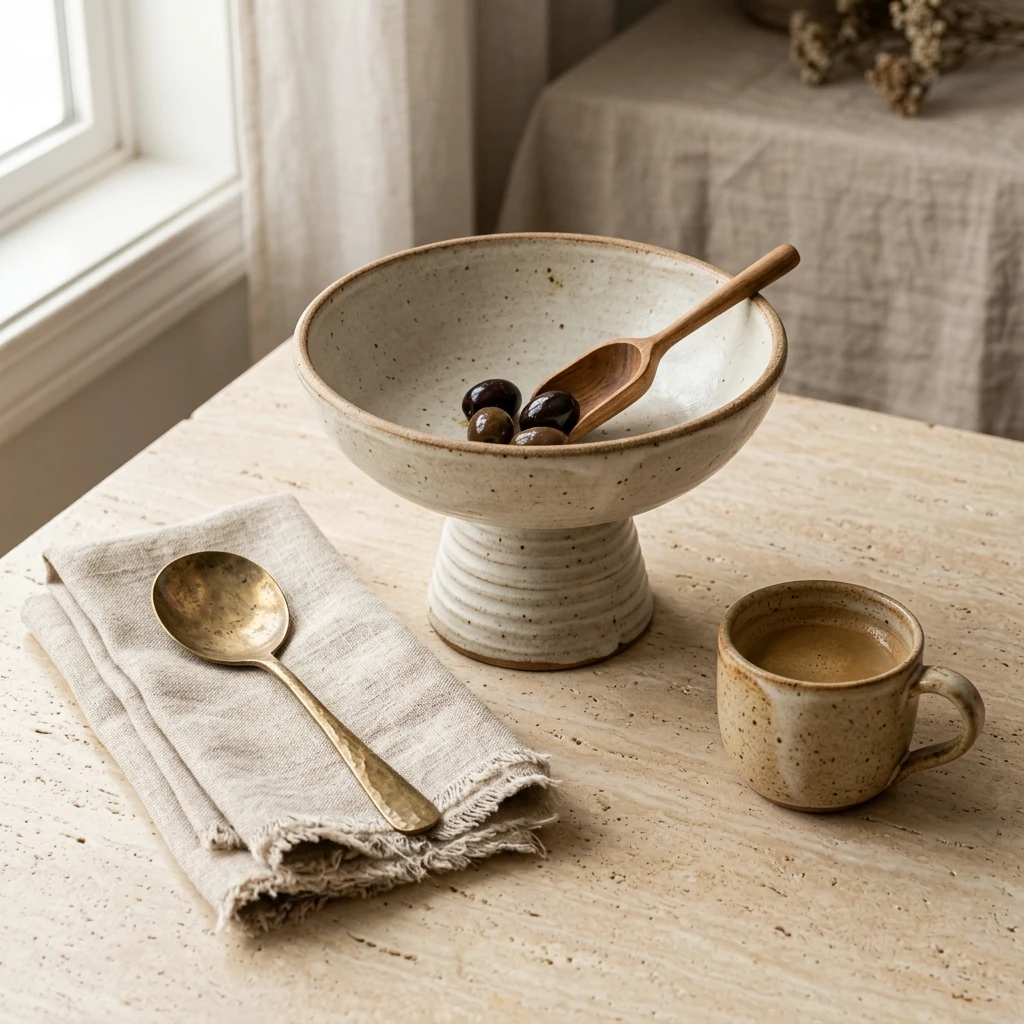
Product photography makes or breaks an online decor brand. Buyers cannot touch the fabric, lift the vase, or feel the weight of the stone. You must provide visual answers to every tactile question:
- Lifestyle Room Context: Never show an accent piece floating alone on a pure white background as your primary image. Display the item styled naturally inside a complete room setting. Place a ceramic mug on a solid oak coffee table next to a linen-covered book. This visual context shows scale, texture, and practical styling possibilities.
- True-to-Life Scale Comparison: Customers frequently misjudge dimensions online. A customer who expects a substantial floor vase will leave an angry review if a ten-inch shelf bottle arrives instead. Photograph your item next to standard household objects, such as an armchair, a bedside lamp, or a standard dining chair.
- Close-Up Surface Textures: Include macro detail shots capturing the authentic material finish. Show the natural grain pores in turned hardwood, the coarse woven slubs in raw linen, or the hand-speckled glaze on stoneware pottery. Authentic details justify premium retail pricing.
- Natural Indirect Lighting: Photograph your products using soft morning or late afternoon window light. Avoid harsh direct camera flashes and artificial yellow overhead room bulbs. Color fidelity is vital. If a customer receives an olive-toned cushion that looked bright sage on your website, you will face an expensive return.
To streamline operations without slowing down site loading speeds, install a lean selection of specialized applications. For dimensional shipping calculation and automated packaging box selection, integrate tools that follow official Shopify dimensional weight guidelines so customers pay accurate carrier rates at checkout. For visual merchandising, use Loox or Judge.me configured to collect photo reviews showing real customer living rooms. For inventory synchronization across wholesale channels, utilize Stocky. Avoid bloated page builder apps that inject excessive JavaScript; instead, build custom layout sections using native Shopify Liquid blocks to keep your mobile Core Web Vitals score above 90.
Packaging, Logistics, and Preventing Breakage Returns
Safe shipping is the hidden foundation of e-commerce profitability. A broken item does double damage to your business: you lose the inventory cost, and you disappoint a customer who was eager to style their home. You must engineer your packaging to survive rough postal handling.
When engineering your protective packaging, adhere to recognized International Safe Transit Association drop standards (ISTA-1A protocol). Testing six face drops and two corner drops from 36 inches ensures your double-wall cartons and custom molded pulp inserts withstand conveyor impacts and sorting hub drops.
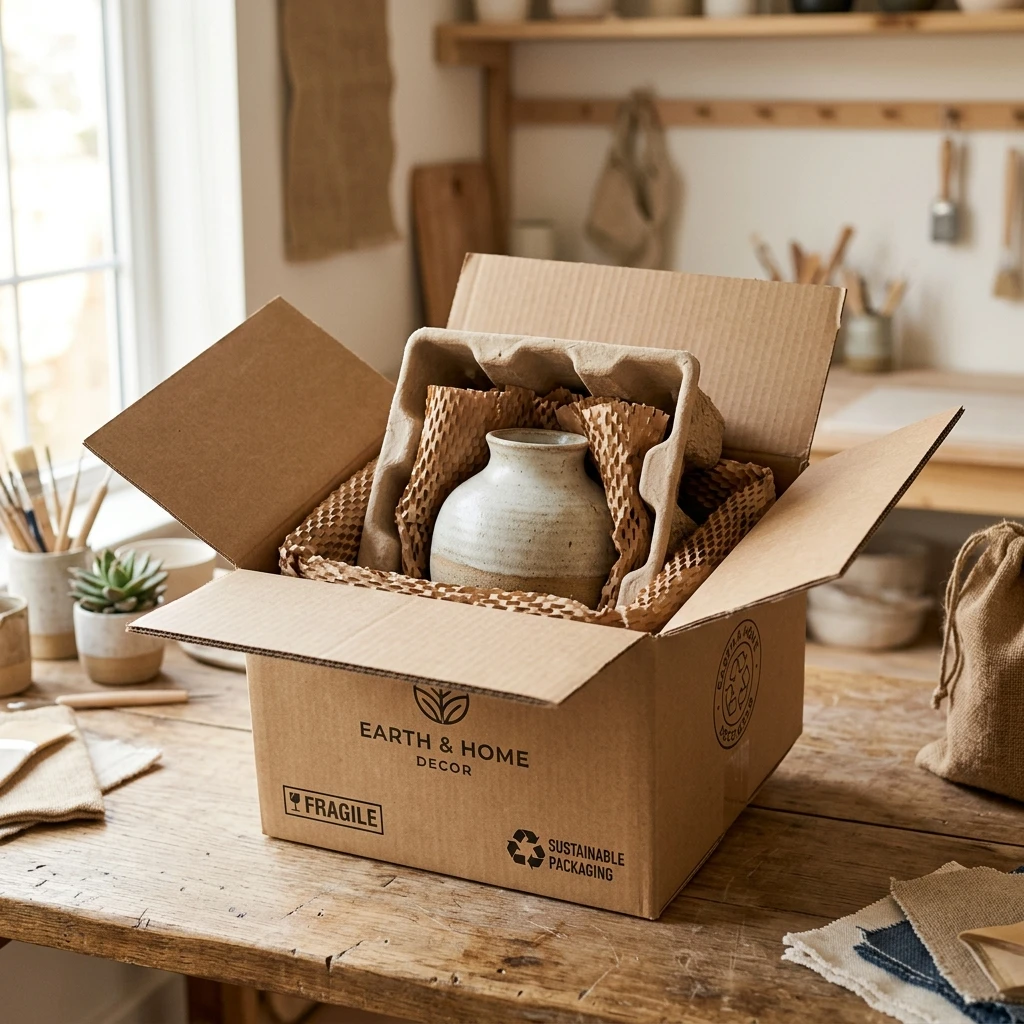
Select your packaging materials based on product fragility profiles:
- Custom Molded Pulp Shells: Ideal for nesting irregular ceramic shapes, bowls, and candleholders. Molded pulp absorbs kinetic drop shock far better than loose plastic packing peanuts. It is also biodegradable, which appeals to eco-conscious interior design shoppers.
- Double-Wall Corrugated Outer Boxes: Use 200 lb test or 32 ECT (Edge Crush Test) double-wall boxes for any product weighing over three pounds. Single-wall grocery cartons crush easily when heavy freight parcels stack on top of them during transport.
- Honeycomb Expandable Paper Wrap: Replace petroleum bubble wrap with interlocking kraft paper wrap. Honeycomb paper locks around cylindrical items and prevents items from shifting inside the carton during transit.
- Reinforced Water-Activated Paper Tape: Standard clear plastic packaging tape peels off cardboard boxes in cold warehouse conditions. Gummed kraft paper tape bonds directly with the box fibers, creating a tamper-proof and structurally rigid seal.
Establish a clear, customer-friendly damage reporting policy. State clearly on your shipping policy page that if an item arrives damaged, the customer must submit three clear photos of the damaged piece and the outer shipping box within 48 hours of delivery. Once verified, dispatch an immediate replacement without requiring the customer to repackage and ship broken sharp glass back to your warehouse. This policy prevents customer disputes while providing proof for courier insurance claims.
Marketing Your Boutique: The Pinterest and Visual Search Playbook
Traditional direct-response marketing tactics that work for gadgets or supplements perform poorly for boutique home decor. Running cold product ads on short-form video feeds often produces high click-through rates but very low sales conversions. Interior design buyers spend weeks gathering visual inspiration before purchasing.
Pinterest is the most effective organic acquisition channel for an independent myshopify home decor store. Unlike social networks focused on fleeting personal updates, Pinterest operates as a visual search engine. Users actively plan living room redesigns, bedroom updates, and holiday tablescapes. When you optimize your product pins properly, your content continues generating qualified purchase traffic for eighteen months or longer.
When organizing your store catalog and Pinterest moodboards, connect your decor products directly to popular design aesthetics. For instance, pair textured ceramic mugs and stoneware canisters with curated coffee bar ideas for small kitchens to show functional everyday styling. If you specialize in earthy, imperfect textures, create room collections inspired by authentic wabi sabi interior design ideas, showcasing unglazed pottery alongside weathered timber. For customers styling apartments who want art without drilling, integrate renter friendly wall decor ideas into your wall art collections. For customers seeking modern sanctuary spaces, style linen bedding and warm brass sconces following proven aesthetic bedroom ideas. Cross-linking your collections to specific interior decorating themes increases on-site dwell time and builds natural topical authority.
- Enable Rich Pins on Shopify: Connect your store domain to your Pinterest business account. Rich pins automatically synchronize real-time pricing, stock availability, and your product title directly onto every pin saved from your site.
- Create Room-Specific Boards: Organize your Pinterest boards around design solutions rather than generic product categories. Instead of creating a board named “Vases,” build boards titled “Minimalist Japandi Living Room Ideas,” “Warm Neutral Shelf Styling,” or “Organic Modern Coffee Table Decor.”
- Publish Lifestyle Concept Pins: Create vertical 2:3 ratio pins (1000 by 1500 pixels) that show a styled interior vignette. Include subtle text overlays indicating design themes, such as “How to Style a Neutral Entryway Console.” Link each pin directly to the specific product collection featured in the image.
- Optimize for Google Lens and Visual Search: Visual search algorithms index shapes, colors, and textures directly from images. When customers use Google Lens to find an accent chair or ceramic dish they spotted in a magazine, search engines match your high-resolution lifestyle images. Ensure every product image on your site contains descriptive, keyword-rich alt text detailing the physical object and its material finish.
Collaborate with micro-influencers in the home staging, interior decorating, and architectural photography spaces. Instead of paying thousands of dollars to celebrity accounts, gift signature decor pieces to micro-creators who have five thousand to twenty thousand dedicated followers. Request two styled room photographs and permission to use their imagery across your store product pages and email newsletters.
Managing Logistics and Shipping Methods
Choosing your shipping carriers and packaging tiers requires balancing delivery speed, cost, and damage risk. Customers buying home decor expect items to arrive in pristine condition within three to six business days.
| Fulfillment Method | Average Transit Time | Average Cost per 3 lb Box | Damage Incident Rate | Customer Satisfaction Score |
|---|---|---|---|---|
| Domestic Ground Priority (USPS / UPS Ground) | 2 to 4 Business Days | $8.50 to $11.20 | Under 1.2% | 94 / 100 |
| Regional Parcel Couriers (Zone Skipping) | 3 to 5 Business Days | $6.80 to $8.90 | Under 1.8% | 90 / 100 |
| Economy Standard Postal Delivery | 5 to 8 Business Days | $5.20 to $7.10 | 3.5% to 4.8% | 76 / 100 |
| Direct Overseas Factory Packet | 12 to 22 Business Days | $4.10 to $6.50 | 9.0% to 14.2% | 58 / 100 |
Domestic ground priority delivery offers the strongest balance between reliable tracking, careful parcel handling, and cost predictability. Economy postal options frequently suffer delays during peak holiday seasons, leading to increased customer support inquiries. Never rely on direct overseas factory packets for fragile home items. The lengthy transit window and multiple transfer hubs significantly increase parcel crushing and damage claims.
Claire Montgomery’s Curation Methodology
I evaluate every home decor item using a four-step physical testing protocol before approving it for catalog inventory. If an item fails even one step of this assessment, I reject the supplier.
First, I inspect material integrity under natural daylight. I reject ceramic pieces with uneven glaze pinholes, wobbly pedestal bases, or artificial chemical smells. High-end customers immediately detect poor production standards when unboxing an item.
Second, I test physical balance and functional weight. A tabletop accent must feel substantial in the hand. A hollow, feather-light metal bowl feels cheap regardless of how attractive it looks on a computer screen. I ensure every decor item has protective felt or silicone pads on its base to protect delicate customer furniture from scratches.
Third, I examine packaging tolerances. I verify that product cartons contain custom-fitted internal cushioning rather than loose bubble wrap. If a supplier ships fragile stone or glass in standard single-wall cardboard, I require them to upgrade to double-wall master cartons before placing wholesale orders.
Fourth, I stage every sample in three distinct lighting setups: bright indirect sunlight, warm indoor incandescent lighting, and dim evening lamplight. I photograph the piece in each environment to confirm that our website imagery accurately represents the real product across all domestic lighting conditions.
The Short Version: Key Takeaways for Building Your Store
Scaling a profitable myshopify home decor store requires moving beyond generic e-commerce advice and building a specialized, design-led brand. Keep these essential principles at the core of your strategy:
- Curate a Single Design Aesthetic: Focus on one clear interior design style, such as Japandi, Organic Modern, or Warm Minimalist. A cohesive aesthetic builds customer trust and drives multi-item room orders.
- Protect Your Unit Margins: Maintain at least a 2.8x markup (65% gross margin) on cost of goods sold. This margin protects your net profits against dimensional shipping fees, custom protective packaging, and advertising costs.
- Eliminate Fragile Sourcing Risks: Avoid thin glass and unreinforced ceramics when starting out. Focus on durable wood, woven textiles, stone, and forged metal accents that resist transit damage.
- Photograph Real Room Context: Display products within natural, styled living spaces rather than isolated white backgrounds. Show scale by placing decor alongside familiar household furnishings.
- Master Visual Search and Pinterest: Use Pinterest rich pins, design solution boards, and visual search optimization to attract high-intent home shoppers without relying entirely on expensive paid advertising.
Frequently Asked Questions About a MyShopify Home Decor Store
How much capital do I need to start an online home decor boutique?
A beginner can launch a curated home decor boutique with an initial budget between $2,000 and $4,500. This capital covers Shopify subscription fees, a premium theme license, legal business formation, sample product testing, professional photography props, and an opening inventory order of ten to fifteen core SKUs. Starting with specialized domestic suppliers keeps initial inventory commitments manageable while ensuring high product quality.
What home decor products are best for beginners to sell?
The most reliable starter products are durable, lightweight decor accents that resist shipping damage and avoid dimensional weight penalties. Excellent categories include linen throw pillow covers, handwoven table runners, turned wooden bowls, forged iron candleholders, and canvas wall banners. Avoid large furniture pieces, fragile bevelled mirrors, and oversized ceramic urns until you have established reliable freight shipping systems.
How do I prevent fragile home decor items from breaking during shipping?
Preventing shipping damage requires double-wall corrugated cardboard boxes (rated at 200 lb test or 32 ECT), custom-molded pulp shells or expanded honeycomb kraft paper, and reinforced water-activated gummed tape. Ensure at least two inches of dense cushioning space between the product and every interior wall of the box. The packed item must not shift or rattle when you shake the carton vigorously.
Can I run a profitable home decor dropshipping business?
Yes, but only if you avoid generic overseas marketplace platforms. Successful home decor dropshipping relies on domestic trade suppliers, curated artisans, or regional manufacturers who fulfill orders in neutral packaging within three to five business days. Maintaining a gross profit margin of at least 60 percent is necessary to cover marketing costs and platform transaction fees while remaining commercially viable.
How do I market home decor products without a huge advertising budget?
The most effective low-cost marketing strategy for home decor combines Pinterest visual search optimization with micro-influencer product gifting. Create vertical lifestyle pins linked to your product collections, optimize your image alt tags for Google Lens discovery, and gift signature decor accents to interior designers and home stylists with engaged audiences. These organic channels generate compounding visual discovery traffic without continuous advertising spend.






4 Comments