Pilates at Home Equipment: The Only Gear You Need
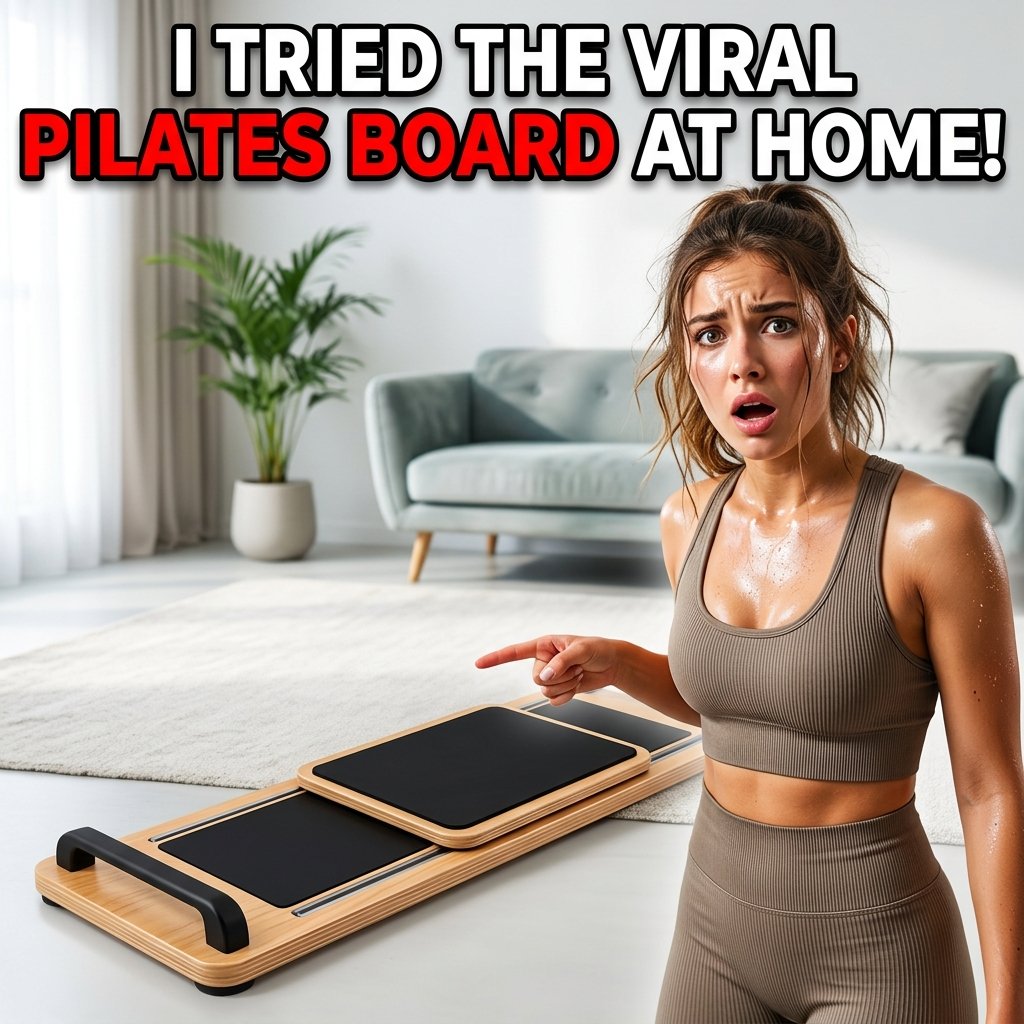
You do not need a fancy studio membership to get a good workout. If you want to start practicing, finding the right pilates at home equipment is your first step. It is easy to get overwhelmed by all the shiny ads promising you a perfect body if you buy their expensive reformer.
I have been there and I can tell you that keeping it simple works best. You really only need a few items to get a burn that rivals any studio class. Building a home setup saves you time and money while giving you the privacy to learn at your own pace.
“Great interior styling isn’t about buying expensive furniture-it’s about creating spatial harmony and warm, intentional lighting.”
– Interior Design Insights
I want to walk you through exactly what gear is worth buying and what you can safely ignore. You will see how easy it is to set up a dedicated space in your living room. Getting started is often the hardest part, but having the right tools waiting for you makes it easier. Let us look at how you can build an effective workout space without spending a fortune.
Why building a setup for pilates at home equipment makes sense
Working out at home removes the biggest barrier to consistency. You do not have to commute or worry about class schedules. You just roll out your mat and start moving. A lot of people think they need large machines to see results, but that is simply not true.
“Your living space should tell the story of who you are, woven together with tactile textures and authentic personal accents.”
– Professional Decorator Principles
You can build incredible core strength and improve your flexibility using very basic pilates at home equipment. The beauty of this practice is that it relies mostly on your own body weight and controlled movements.
The gear we will discuss simply adds a little extra resistance or support where you need it. By investing in a few smart pieces, you give yourself the tools to progress. When the basic moves start feeling too easy, having the right props keeps your routine challenging.
Having a dedicated set of tools sitting in the corner of your room acts as a visual reminder to do your workout. You also get to control the environment. You pick the music, the temperature, and the pace of your workout. No one is watching you, so you can focus entirely on your form.
The foundational gear you cannot skip
A good mat is non-negotiable. Please do not try to do these exercises on a hardwood floor or a thin yoga mat. You will end up with a bruised tailbone and a sore spine. You need a mat that is at least half an inch thick.
The extra cushioning protects your joints during rolling exercises like the seal. It makes the whole experience comfortable so you actually want to do it again tomorrow. Buying a thin mat is the quickest way to ruin your practice.
I recommend looking for a mat made of high density foam. It should grip the floor well so you do not slide around during a plank or pushup. A proper foundation is the most important part of your pilates at home equipment.
It sets the stage for everything else you will do. Spending a little extra on a quality mat will save you a lot of physical discomfort. Your knees and wrists will thank you for making the right choice.
You might want to read more about how proper cushioning protects your spine. Healthline explains the benefits of spinal support during exercise. A thick mat absorbs the impact of your movements and allows you to focus purely on your muscle engagement. When your spine is happy, your whole body moves better.
Adding resistance for better results
Once you have your mat sorted out, the next thing to look at is the magic circle. Also known as a fitness ring, this small flexible circle has pads on both sides. You squeeze it between your hands or your thighs to activate muscles you did not even know you had.
It is notoriously good at targeting the inner thighs and the deep core. I love using it because it forces you to maintain tension throughout an entire movement. You will feel a burn in muscles that normal exercises miss.
Resistance bands are another fantastic addition to your routine. They are cheap, easy to store, and highly versatile. You can loop a band around your feet to mimic the foot strap work you would do on a reformer machine.
Bands provide continuous tension which helps build long lean muscles without adding bulk. You can keep them in a drawer and pull them out whenever you need an extra challenge.
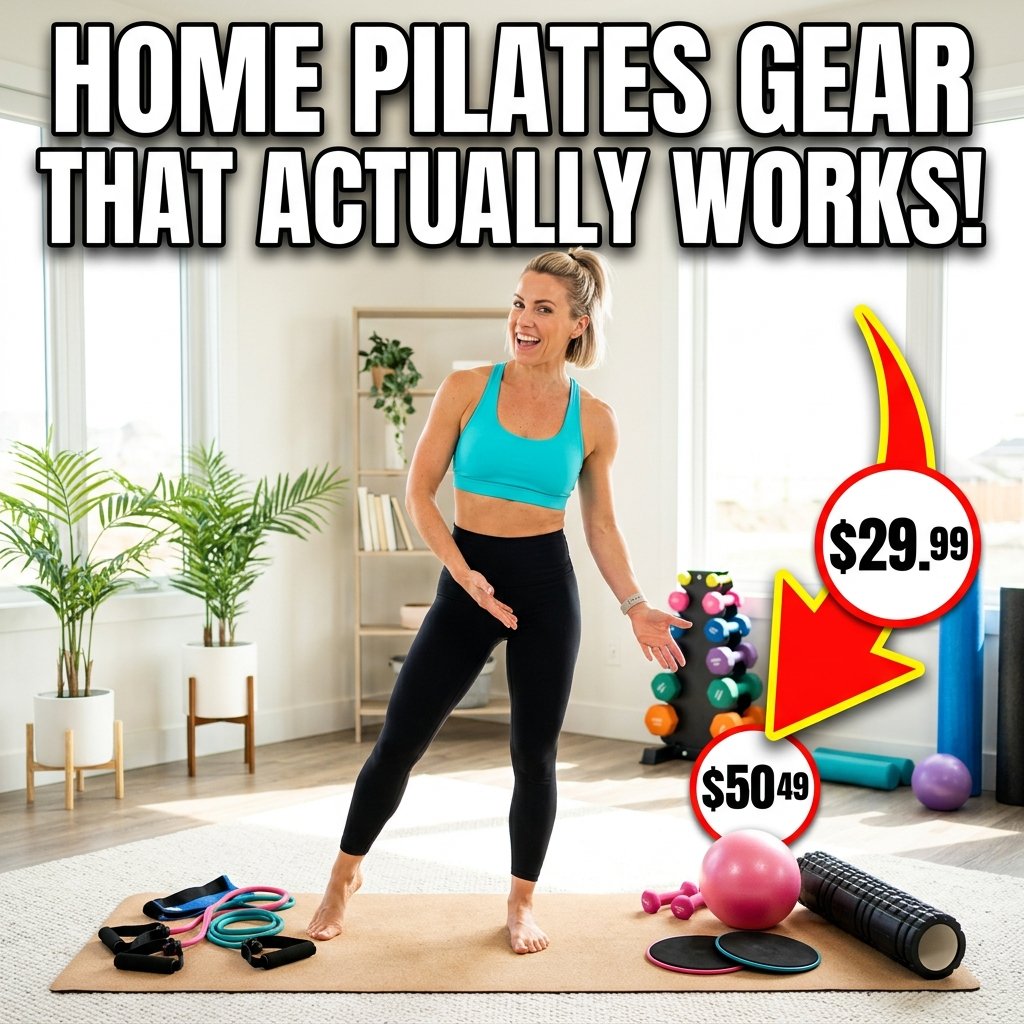
For more ideas on taking care of your body and mind, visit our home page. The combination of a magic circle and some resistance bands covers almost all your resistance needs. They allow you to replicate many of the exercises that are normally done on heavy studio machinery. These simple tools give you endless variations to keep your workouts fresh and engaging.
Small props that make a big difference
A small inflatable ball, often called an overball, is a hidden advantage for core work. You place it under your lower back for support or squeeze it between your knees to keep your hips aligned. It is very cheap and usually comes with a small straw so you can inflate it yourself.
The ball adds an element of instability. When you place it under your pelvis during bridges, your core has to work twice as hard to keep you balanced. It forces your stabilizer muscles to fire up immediately.
This little ball is a staple piece of pilates at home equipment. It completely changes how standard exercises feel. You will find that moves you thought were easy suddenly make your abs shake.
Another prop to consider is a pair of gliding discs. If you have carpet, you use the smooth side. If you have hard floors, you use the fabric side. Gliding discs make lunges and mountain climbers incredibly smooth and controlled. They remove the impact from your joints while increasing the friction you have to work against.
Taking it to the next level
When you feel ready to add load, light weights are the way to go. You do not need heavy dumbbells. A pair of one or two pound hand weights is plenty.
You will be holding your arms out in small circles for long periods. Those tiny weights will feel very heavy after three minutes. They help tone your arms and shoulders without straining your neck. Using light weights forces you to move with intention and control.
Ankle weights are equally useful for lower body work. Strapping a light weight to your ankles before doing side leg lifts will make your glutes burn in the best way possible. Using light weights is a great way to increase the intensity of your pilates at home equipment. It adds just enough drag to challenge your muscles.
They are especially useful for leg circles and back extension work. You strap them on and suddenly your regular routine feels brand new. Building muscle strength is also great for your bones.
WebMD notes that weight bearing exercise helps maintain bone density as we age. You can easily store small weights under your sofa or in a closet. They do not take up much room but they offer a massive return on investment for your fitness. Taking care of your skeletal health should be a priority for everyone.
What you really do not need to buy
I want to save you some money right now. You do not need to buy a huge reformer machine for your house unless you are an advanced practitioner with a lot of spare cash and space. Those machines are wonderful, but they require maintenance and dedicated square footage.
A lot of people buy them and end up using them as very expensive clothing racks. You can get a phenomenal workout using just the small props we discussed. Do not feel pressured to upgrade to a machine. Stick to the basics until you truly outgrow them.
Do not fall for gimmicky gadgets that promise flat abs in five minutes. Stick to the classic tools that have been used for decades. The effectiveness of your workout comes from your form and consistency, not from complicated machinery.
Keep your setup simple. Here is a quick recap of the only items you need:
- A thick high density foam mat
- A magic circle for extra resistance
- A set of resistance bands
- A small inflatable overball
- Light hand and ankle weights
A mat, a ring, a ball, and some bands are the core of your pilates at home equipment. With just these items, you can perform hundreds of different exercises and modify them to suit your level perfectly. True strength comes from mastering your own body weight.
Read also:
Read also: Self-care tips you need to try
Frequently asked questions
What is the most important item to buy first?
The most important item is a thick mat. You need a mat that provides enough cushioning for your spine during rolling exercises. A standard thin yoga mat will leave you feeling bruised and uncomfortable. Start with a good mat and add other props later.
Can I do a full workout without a reformer machine?
Yes, absolutely. Mat exercises are highly effective and often harder than machine exercises because you have to support your entire body weight. Using small props like bands and a magic circle can easily replicate the resistance of a reformer.
Are resistance bands better than free weights?
They serve different purposes. Resistance bands provide continuous tension throughout the entire range of motion, which is great for lengthening muscles. Free weights provide a constant load. Both are useful, but bands are generally cheaper and easier to store.
How heavy should my hand weights be?
Keep them very light. One to three pounds is the maximum you should use for most routines. The movements require you to hold your arms extended for long periods, so heavy weights will cause neck and shoulder strain.
What does a magic circle actually do?
A magic circle adds resistance to your movements when you squeeze it. It is excellent for activating the inner thighs, chest, and deep core muscles. It also helps you find your center and improves your alignment during complex exercises.
Do I need gliding discs if I have hardwood floors?
If you have hardwood floors, you can actually use a pair of fuzzy socks or small towels instead of buying gliding discs. They will slide perfectly well and give you the same unstable surface to challenge your core.
How often should I replace my gear?
Resistance bands should be checked regularly for tiny tears and replaced if they look worn, usually every six to twelve months depending on use. Mats can last for years if you wipe them down, while a magic circle rarely needs replacing.
Is this setup good for beginners?
Yes, this setup is perfect for beginners. You can start with just the mat and slowly incorporate the ball, bands, and circle as you learn the basic movements and build foundational strength.