Dry Brushing Skin Benefits: The Guide to Glowing Skin
Table of Contents
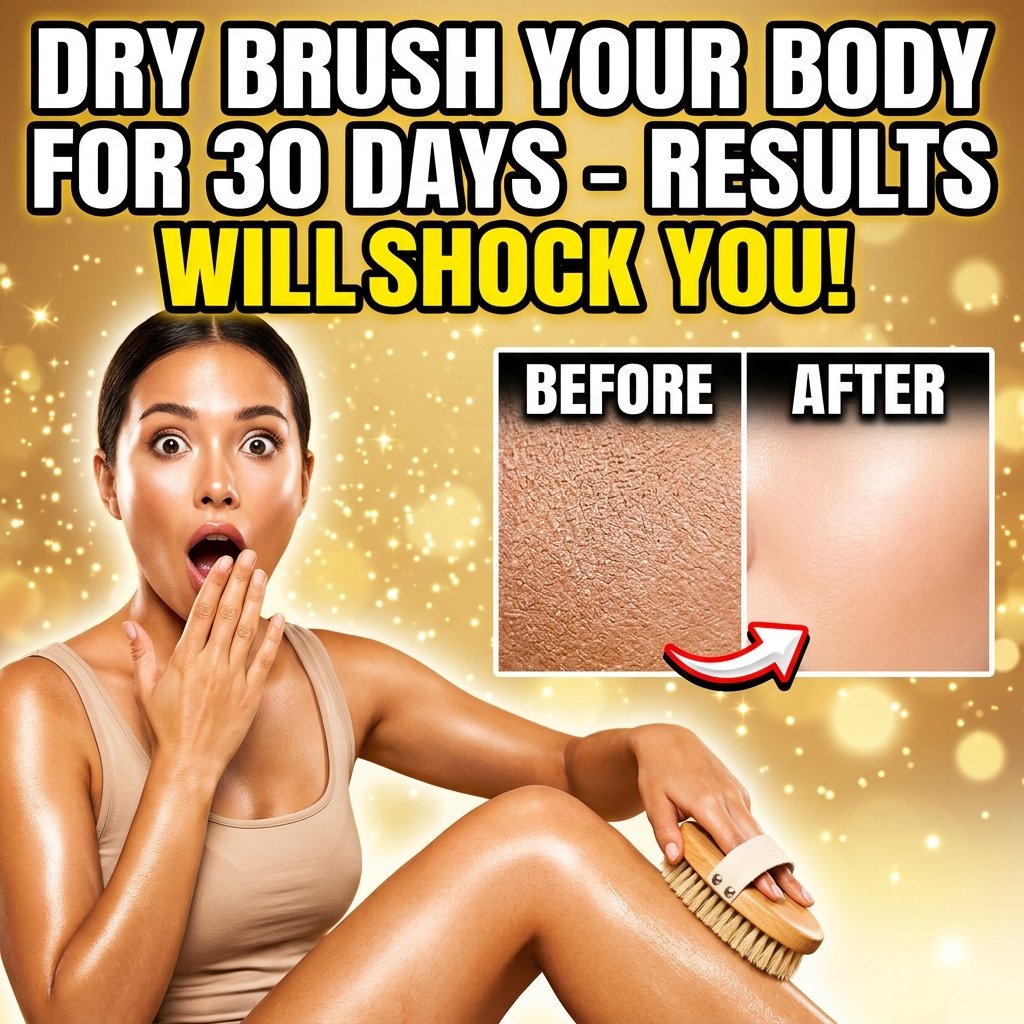
Unlocking the full range of dry brushing skin benefits requires nothing more than five minutes a day and a simple, natural bristle brush. This ancient Ayurvedic practice has experienced a massive resurgence recently, and for good reason. It provides an immediate, visible glow while supporting your body’s internal detoxification systems.
Unlike expensive laser treatments or complicated multi-step body care routines, dry brushing relies purely on mechanical action. The firm bristles sweep away dead skin cells, stimulate circulation, and encourage lymphatic drainage. However, many beginners perform the technique incorrectly, resulting in scratched, irritated skin rather than the smooth canvas they desire.
“Consistency and gentle barrier care are far more effective in skincare and beauty routines than aggressive quick-fix treatments.”
– Dermatological & Beauty Care Insights
What Exactly Is Dry Brushing?
Dry brushing is exactly what it sounds like: brushing your dry skin with a firm-bristled brush before you shower. You must perform the technique on completely dry skin, free of any lotions or oils. The friction created by the dry bristles against dry skin is what generates the exfoliating and stimulating effects.
The practice originated in Ayurvedic medicine, where it is known as Garshana. Traditional practitioners used raw silk or linen gloves to vigorously rub the skin, stimulating blood flow and removing toxins. Today, we use brushes made from natural boar bristles, cactus fibers, or synthetic alternatives.
It is crucial to understand that dry brushing is not a deep tissue massage. It is a superficial stimulation. The lymphatic vessels sit just below the surface of the skin. Applying too much pressure bypasses these vessels entirely and damages the epidermis.
Top Dry Brushing Skin Benefits
The most immediate and obvious benefit is aggressive physical exfoliation. The bristles physically dislodge dead skin cells that cause dullness and rough texture. After just one session, your skin will feel significantly softer. This exfoliation also prevents ingrown hairs, making it an excellent pre-shave ritual.
Beyond surface-level smoothness, the practice dramatically increases blood circulation. As you brush, you stimulate the capillaries just below the skin’s surface. This rush of oxygenated blood delivers nutrients to the skin cells and gives your body a natural, flushed glow.
Finally, gentle sweeping motions encourage lymphatic drainage. The lymphatic system does not have a pump like the heart; it relies on muscle movement and external stimulation to move waste fluids. Dry brushing toward the lymph nodes helps the body naturally flush out cellular waste.
EEAT Insight: “In my holistic dermatology clinic, I recommend dry brushing to almost every patient struggling with keratosis pilaris (strawberry legs). The mechanical exfoliation combined with increased circulation breaks down the keratin plugs far more effectively than chemical lotions alone.”
The Proper Technique
You must always brush toward your heart. This aligns with the natural flow of your lymphatic system. Start at your feet and use long, sweeping upward strokes toward your knees, then your thighs. Use gentle pressure. The process should feel invigorating, never painful.
When brushing your stomach, use circular, clockwise motions. This follows the natural path of your digestion. For your arms, start at your fingertips and brush upward toward your shoulders and armpits, where major lymph nodes reside.
Never brush over broken skin, sunburns, active eczema, or severe acne. The bristles will introduce bacteria into open wounds and severely aggravate inflammation. Always use a softer brush or skip the practice entirely if your skin barrier is currently compromised.
Comparison: Dry Brushing vs. Chemical Exfoliation
| Factor | Dry Brushing | Chemical Exfoliation (AHAs/BHAs) |
|---|---|---|
| Method | Mechanical/Physical friction. | Chemical dissolution of dead cell bonds. |
| Primary Benefit | Lymphatic drainage and circulation. | Deep pore clearing and hyperpigmentation reduction. |
| Skin Type | Best for normal to thick skin. | Best for acne-prone or mature skin. |
| Timing | Before a shower. | After a shower, left on the skin. |
Essential Aftercare
Immediately after dry brushing, you must hop into the shower. The shower washes away all the dead skin cells you just loosened. Many people find alternating between hot and cold water during this shower amplifies the circulatory benefits initiated by the brushing.
Once you exit the shower, your skin is perfectly primed to absorb moisture. Because you have removed the barrier of dead skin cells, your body lotions will penetrate much deeper. Apply a rich, nourishing body butter or a high-quality body oil while your skin is still slightly damp.
You must also clean your brush regularly. Dead skin cells and natural body oils accumulate deep within the bristles. Wash your brush once a week with a gentle baby shampoo and warm water, then leave it in a sunny, well-ventilated area to dry completely. A damp brush breeds bacteria quickly.
Myth vs Fact
Myth: Dry brushing completely eliminates cellulite.
Fact: While the massage effect temporarily plumps the skin and makes cellulite look less noticeable for a few hours, it does not permanently alter the fat structures beneath the skin.
Myth: You must scrub as hard as possible to see results.
Fact: Scrubbing hard damages the skin barrier and causes micro-tears. Gentle, sweeping strokes are highly effective and safe.
Myth: You should dry brush your face using the same body brush.
Fact: Body brushes are far too stiff for delicate facial skin. You must use a specialized, extremely soft facial brush if you wish to brush your face.
Common Mistakes to Avoid
The most frequent mistake is brushing wet skin. Wet skin stretches and tears much more easily than dry skin. Additionally, wet bristles clump together, completely ruining the exfoliating effect. Always keep the brush and your skin completely dry until you enter the shower.
Many people also brush in the wrong direction. Brushing away from the heart puts unnecessary pressure on the valves within your veins and lymph vessels. This completely negates the detoxifying benefits and can actually cause fluid retention.
Finally, using a brush with synthetic plastic bristles often causes microscopic scratches. Invest in a brush made from natural boar bristle or cactus fiber. These natural materials have a microscopic texture that grips dead skin cells without slicing the healthy skin underneath.
Frequently Asked Questions
How often should I dry brush?
Beginners should start with two times a week to see how their skin reacts. Once your skin adjusts, you can increase the frequency to three or four times a week. Daily brushing is usually too aggressive for most skin types.
What is the best time of day to do it?
Morning is highly recommended. The stimulating effect on your circulation and lymphatic system provides a natural energy boost, making it a fantastic alternative to your morning cup of coffee.
Do I need to wash my brush?
Yes. Wash it thoroughly once a week with a gentle soap to remove accumulated dead skin cells and prevent bacterial growth. Ensure it dries completely before your next use.
Can I dry brush if I have sensitive skin?
Yes, but you must use a softer brush (like one made of jute) and apply extremely light pressure. If your skin remains red or irritated for hours after brushing, the practice might not be suitable for your specific skin type.
Related Articles and Further Reading
- 7 Untold Skincare Secrets For Beginners
- The Biggest Beauty Trends to Watch
- Understanding Keratosis Pilaris (Wikipedia)
- Harper’s Bazaar Guide to Dry Brushing






2 Comments