Korean Glass Skin Routine Steps: The Guide to Flawless Glow
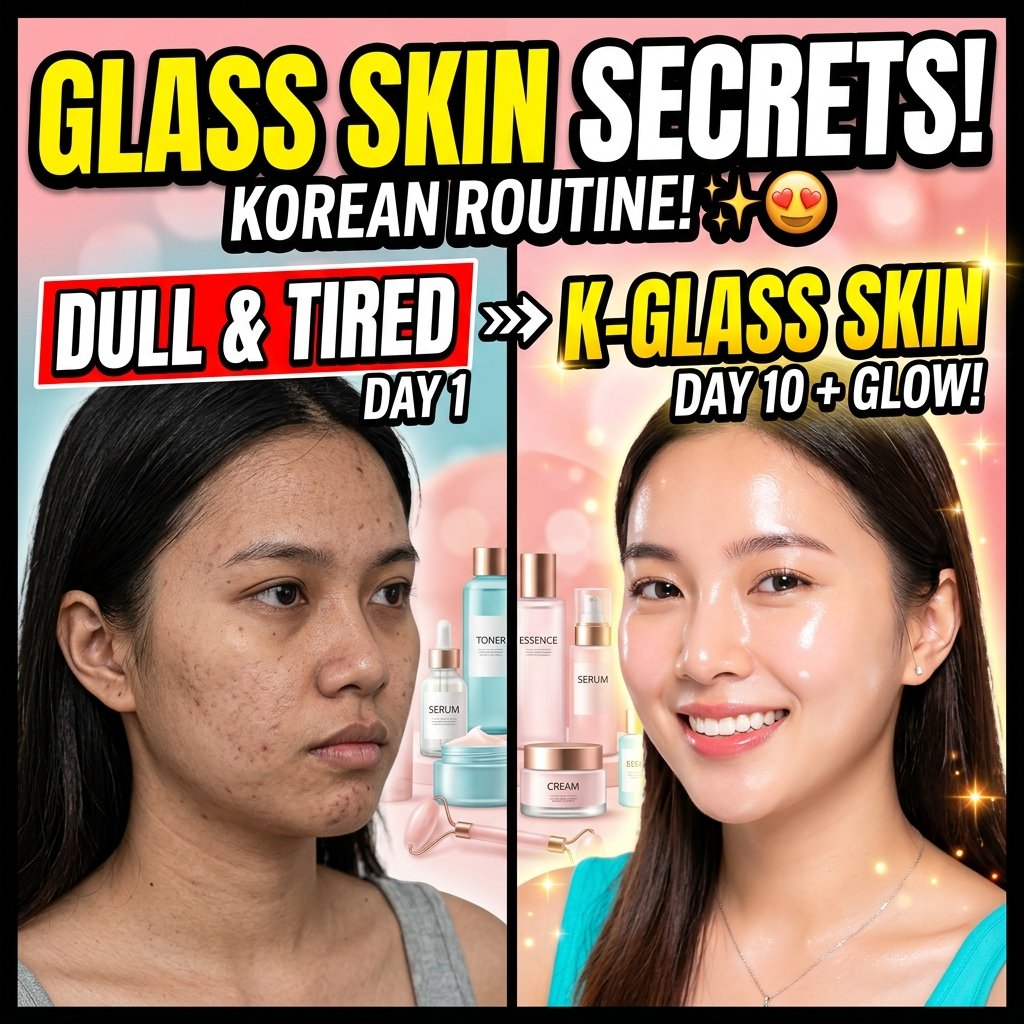
Table of Contents
Mastering the exact korean glass skin routine steps transforms dull, textured skin into a luminous, deeply hydrated canvas. This aesthetic is not about achieving perfection through heavy makeup. It focuses entirely on cultivating skin so intensely hydrated and smooth that it literally reflects light like a sheet of clean glass. Achieving this look requires patience, consistency, and a deep understanding of your skin barrier.
Many beginners attempt this routine by buying ten different expensive products and applying them all at once. This approach almost always leads to clogged pores, redness, and severe breakouts. The skin simply cannot absorb that much active product immediately. Building a glass skin routine is a marathon, not a sprint. You must introduce layers of hydration slowly and intentionally.
“Consistency and gentle barrier care are far more effective in skincare and beauty routines than aggressive quick-fix treatments.”
– Dermatological & Beauty Care Insights
What Exactly Is Glass Skin?
Glass skin refers to a complexion that is intensely hydrated, exceptionally smooth, and completely free of bumps or rough texture. The skin looks almost translucent. This result comes from maximizing the water content within the skin cells while smoothing the outer layer through gentle exfoliation.
You cannot achieve this look if your moisture barrier is compromised. A damaged barrier allows water to evaporate quickly, leaving the skin looking dull and tight. The entire foundation of the korean glass skin routine steps relies on repairing and protecting this lipid barrier before introducing any harsh treatments.
True glass skin takes time to develop. It is the result of consistent daily habits rather than a quick overnight fix. While certain highlighters can mimic the look temporarily, genuine glass skin maintains its glow even immediately after washing your face.
Core Korean Glass Skin Routine Steps
The foundation begins with the famous double cleanse. You start with an oil-based cleanser applied to dry skin. This dissolves sebum, sunscreen, and makeup without stripping the skin of its natural oils. You then follow up with a gentle water-based foaming cleanser to wash away any remaining residue. This ensures your canvas is perfectly clean.
Next comes the toning phase. Unlike Western astringents that dry out the skin, Korean toners are packed with humectants like hyaluronic acid and glycerin. You press these watery lotions gently into the skin. Many advocates practice the “seven-skin method,” applying multiple thin layers of toner to flood the skin with hydration.
Essences, serums, and ampoules follow the toner. You apply these products in order of consistency, from thinnest to thickest. An essence provides a concentrated boost of hydration, while targeted serums address specific concerns like hyperpigmentation or loss of elasticity. Finally, a ceramide-rich moisturizer locks all the previous layers into the skin.
EEAT Insight: “In my ten years of working as a licensed esthetician specializing in K-beauty, I have found that clients who focus heavily on the double-cleansing and toning steps see results twice as fast. You cannot hydrate skin that isn’t properly cleaned first.”
Balancing Active Ingredients
While hydration creates the glow, gentle exfoliation creates the smooth surface required to reflect light. You cannot achieve glass skin if dead skin cells pile up on the surface. However, aggressive physical scrubs cause micro-tears that damage the barrier and lead to inflammation.
Chemical exfoliants are the preferred method. Alpha Hydroxy Acids (AHAs) like lactic acid or glycolic acid gently dissolve the glue holding dead cells together. Beta Hydroxy Acids (BHAs) like salicylic acid penetrate deep into the pores to clear out excess sebum. You should only use these chemical exfoliants two to three times a week.
When using active ingredients like AHAs, BHAs, or retinol, you must compensate with massive amounts of soothing ingredients. Look for products containing Centella Asiatica (cica), snail mucin, or mugwort. These ingredients aggressively calm inflammation and speed up barrier repair.
Comparison: Western vs. Korean Skincare
| Factor | Western Skincare | Korean Skincare |
|---|---|---|
| Primary Focus | Correcting existing problems (acne, wrinkles). | Prevention, hydration, and barrier health. |
| Cleansing | Often harsh, stripping single cleansers. | Gentle double-cleansing method. |
| Toners | Astringent and alcohol-based. | Hydrating, soothing, and viscous. |
| Sun Protection | Treated as an afterthought or beach necessity. | Non-negotiable daily requirement. |
Diet and Lifestyle Factors
Topical products only address half of the equation. Your skin reflects your internal health. You will never achieve true glass skin if you are chronically dehydrated. Drinking adequate water throughout the day is a non-negotiable requirement for this aesthetic.
Sleep plays an equally important role. During deep sleep, the body increases blood flow to the skin, rebuilding collagen and repairing UV damage. Chronic sleep deprivation leads to elevated cortisol levels, which directly triggers oil production and subsequent breakouts.
Your diet also heavily influences inflammation. High-sugar diets cause glycation, a process where sugar molecules bind to collagen, making the skin stiff and dull. Incorporating healthy fats from avocados, nuts, and salmon provides the internal building blocks your skin needs to maintain a strong lipid barrier.
Myth vs Fact
Myth: You need a complex 10-step routine to achieve glass skin.
Fact: A highly consistent 4-step routine (Cleanse, Tone, Moisturize, SPF) using the right products works far better than an inconsistent 10-step routine.
Myth: Oily skin types cannot achieve glass skin without looking greasy.
Fact: Oily skin often overproduces sebum because it lacks water. Flooding oily skin with lightweight hydration actually balances oil production.
Myth: You must buy expensive luxury brands to see results.
Fact: The most effective K-beauty products are incredibly affordable and rely on proven ingredients rather than luxury marketing.
Common Mistakes to Avoid
The most devastating mistake beginners make is skipping sunscreen. UV rays aggressively destroy collagen and trigger hyperpigmentation. Every drop of expensive serum you apply is wasted if you do not protect your skin from the sun daily. Korean sunscreens are incredibly elegant, leaving no white cast or greasy residue.
Over-exfoliating is another massive barrier to success. People see immediate smoothness after using an AHA and decide to use it every single day. Within a week, their skin becomes red, tight, and painfully reactive. Always prioritize barrier health over rapid cell turnover.
Finally, changing products too frequently prevents you from seeing real results. It takes a full 28 days for your skin cells to turn over completely. If you switch your moisturizer every two weeks because you do not see immediate glass-like results, you are resetting your progress constantly.
Frequently Asked Questions
How long does it take to get glass skin?
If you are consistent with your routine, you will notice increased hydration within a week. However, achieving true structural changes, resolving texture, and fading hyperpigmentation takes at least three to four months of dedicated care.
Do I have to double cleanse if I don’t wear makeup?
Yes. Water-based cleansers cannot dissolve oil-based impurities like sebum, pollution particles, or your daily sunscreen. The oil cleanser breaks these down, allowing the second cleanser to actually clean the skin.
Can I achieve this with acne-prone skin?
Absolutely. Hydrating products help heal active breakouts faster and prevent dark spots from forming. Focus on lightweight, non-comedogenic layers and ingredients like snail mucin to soothe inflammation while the acne heals.
Should I apply products to damp or dry skin?
Always apply your hydrating toners and serums to damp skin. Humectants like hyaluronic acid need water to hold onto. If you apply them to dry skin in a dry climate, they can actually pull water out of your skin layers.
Related Articles and Further Reading
- 7 Untold Skincare Secrets For Beginners
- The Biggest Beauty Trends to Watch
- K-Beauty Wikipedia Overview
- Allure’s Guide to Korean Skincare